Georgina Mitchell-Jones: YFCs are rural communities’ backbone
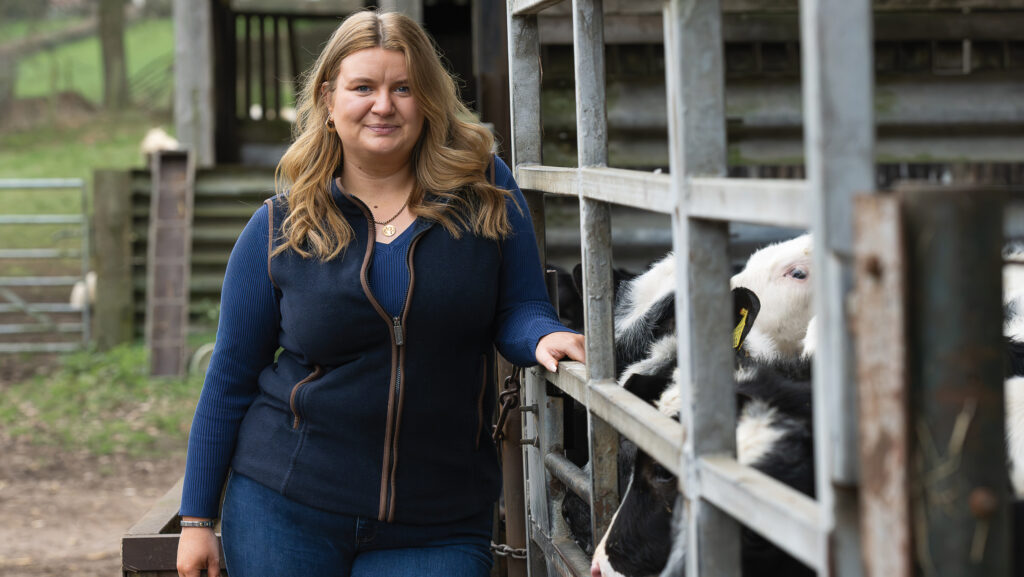 Georgina Mitchell-Jones © Caroline Burton
 As I sat through the speeches at the recent Lutterworth YFC annual dinner dance, before the wine and music carried the night off in its usual direction, I found myself looking around, realising these evenings might represent far more than just another good night out.
On paper, dinner dances follow a familiar formula. Complementary drinks on arrival, the meal, then some well-intentioned but largely mediocre dad dancing.
See also: Georgina Mitchell-Jones – we should cut ourselves a bit of slack
About the author

The DJ is someone you’d happily have a pint with afterwards. The raffle prizes almost certainly include ratchet straps. They’re a collision of sequins and steel toe-cap boots.
The man who does your fencing is throwing shapes with your best friend you met in Tug of War practice.
The quiet lad from meetings is suddenly leading a singalong.
The contractor who “really should be up early tomorrow” is requesting just “one more song”.
Men leave with bow ties undone, women with muddy or broken heels, and the night hums with red wine, “Come On Eileen”, and the sound of 4x4s heading home.
Under the surface-level chaos, however, far more is happening. In the depths of winter – when evenings can feel particularly solitary – they create space for humour, storytelling and familiarity.
They represent showing up for each other and for the club.
They are a backbone of rural culture, built quietly and consistently over time. In an industry that rarely slows down, dinner dances give permission to stop for an evening.
Not to solve problems or make statements, but simply to be with people who understand the background without explanation.
Sometimes, that alone is reason enough to get dressed up.
Nights like these are gentle reminders that some traditions don’t need fixing.
When so much around rural life is being scrutinised, reshaped or misunderstood by those from outside the community, dinner dances quietly prove that some things are still working just fine.
And when I was lucky enough to win a trophy, reading decades of women’s names beneath mine, it made me realise the silverware mattered less than belonging to a community of people who have fought to keep that tradition alive.