

Advertiser content
Advice on preventing and controlling orf in flocks
Orf is a highly infectious disease reported to be present on 25% of UK farms.
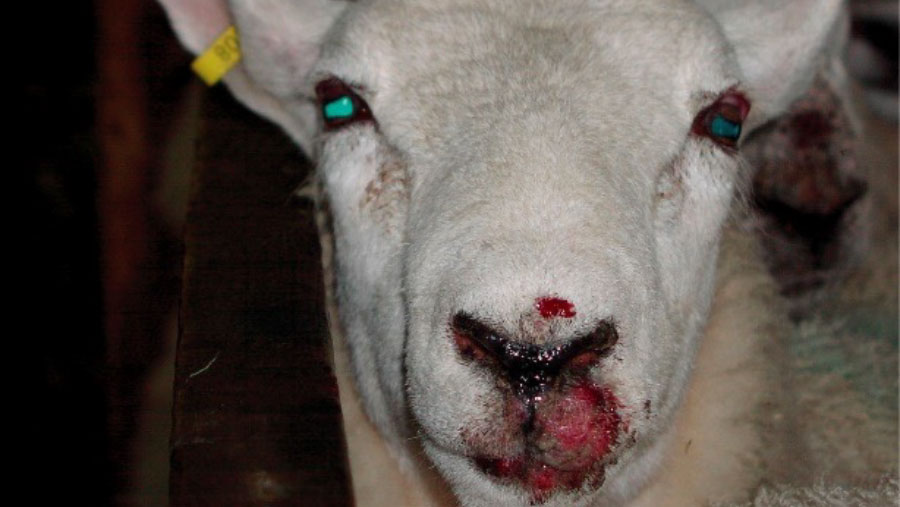
It is mainly a disease of pre-weaned lambs with the painful lesions often causing them to be reluctant to feed and therefore suffering reduced growth rates.
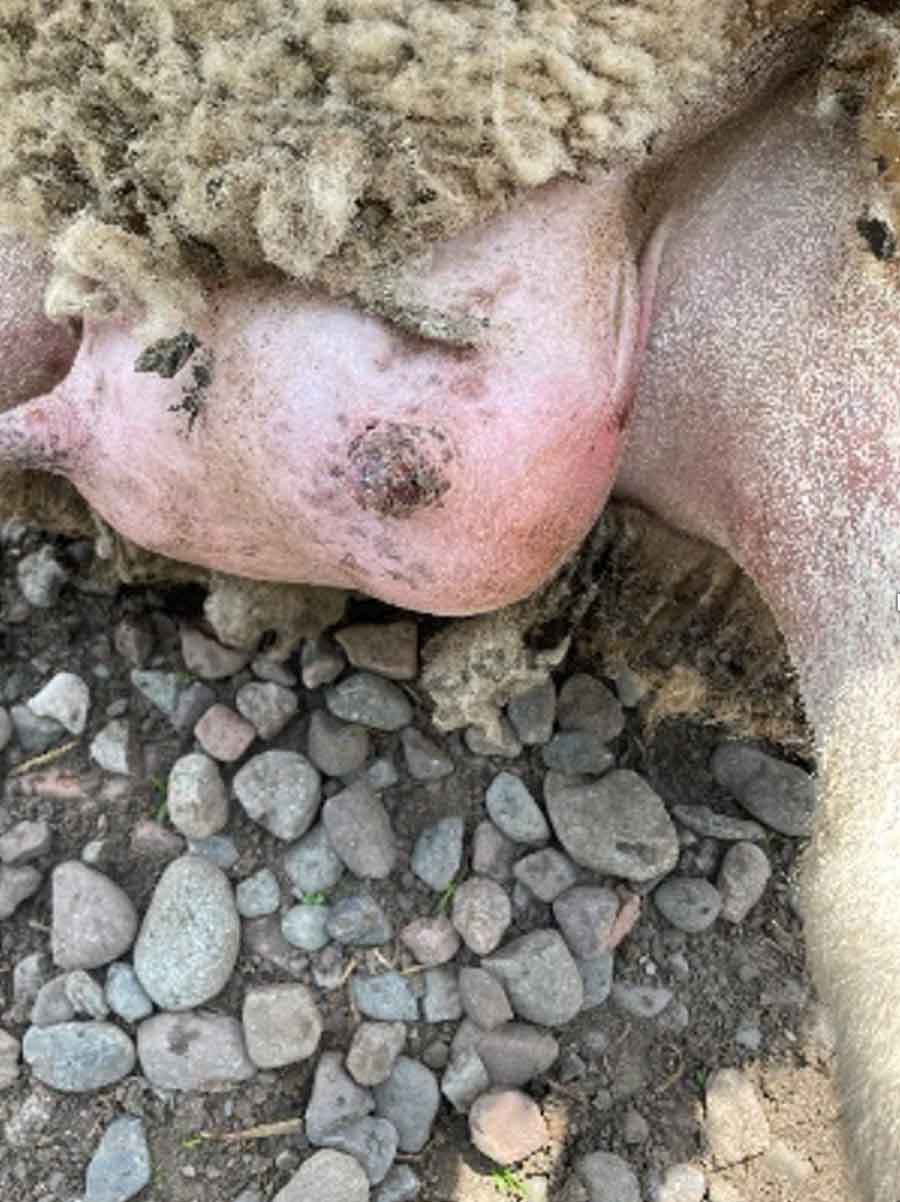
It can also affect ewes with lesions on the udder and teats predisposing the animal to mastitis and reducing its ability to feed her lambs.
© Zoetis UK
Orf can have significant production and economic impacts, with affected lambs having 2.2kg lower liveweight gain than lambs of comparable sizes on the same nutrition and creep feeding regimes.
Studies have estimated the cost of orf from £1.06 to more than £14.03 per ewe, depending on the severity of cases, effect on lamb growth rate and ewe replacement costs1.
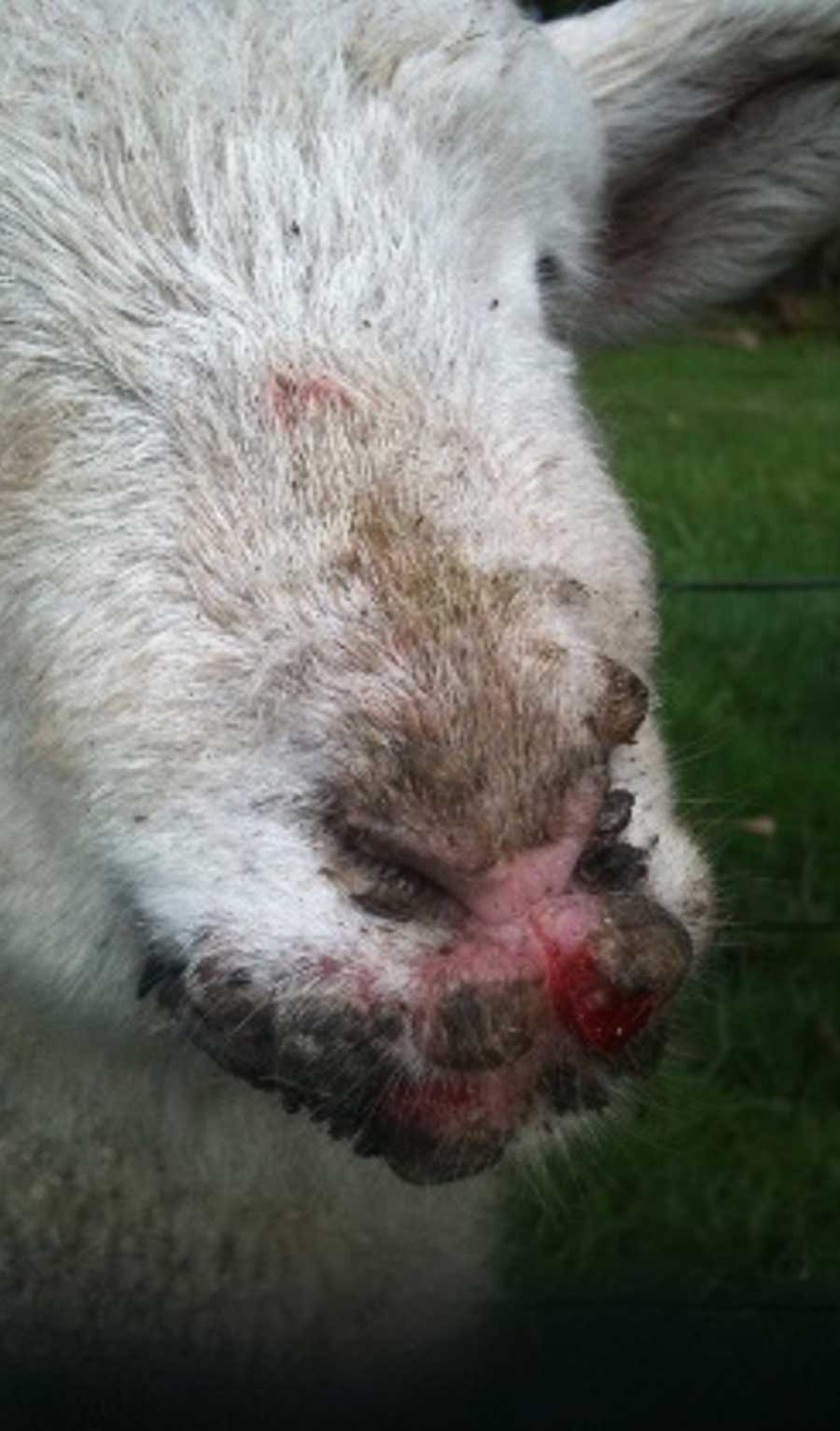
Symptoms to look out for in lambs include scabby, crusty lesions, particularly around the muzzle and mouth which can affect the gums, eyes and ears; these lesions are often painful, which makes it difficult for lambs to feed and resulting in significantly reduced growth rates.
© Zoetis UK
If a lamb has orf then there is an 82% chance that its mother also has orf on its udder and teats1 which may lead to mastitis.
For uncomplicated lesions the symptoms typically run their course within four to eight weeks. Scabs should not be removed as this can delay healing.
Treatment focuses on supportive care, pain relief and managing secondary bacterial infections, which can lead to severe complications and death in lambs.
© Zoetis UK
Topical antiseptic sprays can be used, and in severe cases injectable antibiotics can be prescribed by a vet to help combat secondary bacterial infections.
Pain relief can help lambs feel more comfortable and encourage them to eat.
As the virus is zoonotic it is advisable to wear gloves when handling infected animals and to wash hands thoroughly afterwards.
Prevention and management
Orf is caused by a parapoxvirus that spreads quickly through direct contact with an infected animal or contaminated environments.
Grazing on rough pasture, such as thistles, increases the risk of disease due to abrasions on the face and mouth allowing the virus to penetrate the skin.
If you have ever experienced orf in your flock it is important to remember that the virus can stay on equipment and in the environment for months, and potentially years.
For flocks that have never diagnosed orf the focus needs to be on maintaining a high standard of biosecurity and ideally a closed flock to stop the disease entering in the first place.
For flocks that have the disease the focus is on controlling the risk factors and minimising the potential for transmission. Key steps include:
- Minimising skin trauma by managing grazing to remove abrasive pasture like thistles, brambles and nettles.
- Clean, dry bedding should be used and replaced frequently to reduce the risk of the virus surviving.
- Equipment and feeding troughs should be regularly cleaned and disinfected.
- Any infected lambs should be separated to help minimise the spread of the virus.
© Zoetis UK
Vaccination
In affected herds vaccination with Scabigard® can be used to reduce clinical signs and/or lesions of the disease.
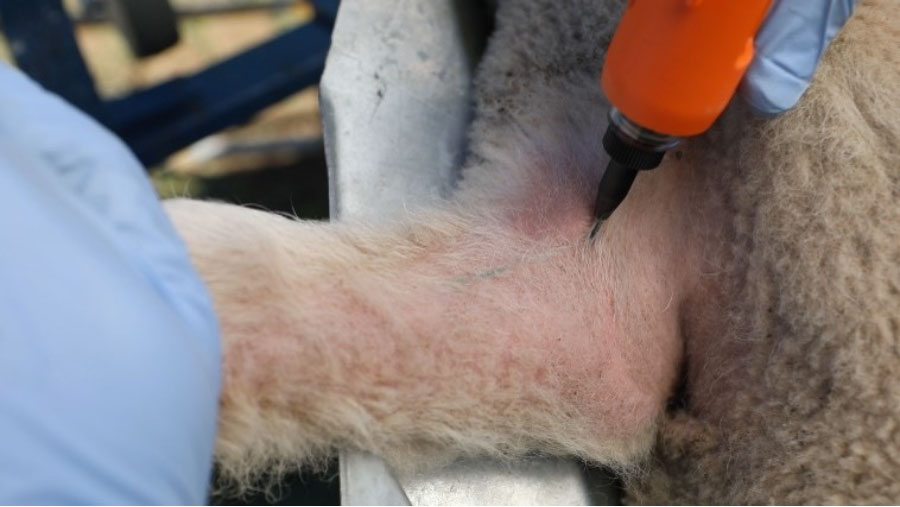
For the vaccine to be effective it is essential that it is used at the correct time and administered in the correct way. Scabigard® can be administered to lambs at any age from birth prior to the period of infection risk, and pregnant ewes should be vaccinated 7-8 weeks prior to lambing.
The vaccine should be administered with the approved Scabigard® applicator, applying 0.02ml of vaccine as a 4-5cm skin scratch behind the elbow, in the hairless skin of the axilla.
Watch the video to find out how to use Scabigard®.
Orf can have severe welfare and production implications, and it is essential that farms take steps to prevent or control this disease.
For affected farms, there is clear welfare and cost benefit to vaccinating with Scabigard® to help reduce the clinical signs of the disease.
References
1 Lovatt F.M. et al (2012) Case-control study of Orf in pre-weaned lambs and an assessment of the financial impact of the disease. Veterinary Record 170, 673-677.
About Scabigard
Scabigard® contains ORF virus (living), 105.4 TCID50 POM-V. ● Further information can be obtained from the products SPC/Datasheet, from your medicine prescriber or from Zoetis UK Limited, First Floor, Birchwood Building, Springfield Drive, Leatherhead KT22 7LP ● www.zoetis.co.uk. ● This promotion is only intended for farmers in England, Scotland and Wales. Always consult your animal medicine prescriber ● Customer Support: 0345 300 8034 ● Use medicines responsibly (www.noah.co.uk/responsible). Prescription decisions are for the person issuing the prescription alone ● Date of preparation: January 2026 ● MM-46034
Provided by
As the world’s leading animal health company, Zoetis is driven by a singular purpose: to nurture our world and humankind by advancing care for animals.