

Badger culling set to end in Cumbria’s Area 73
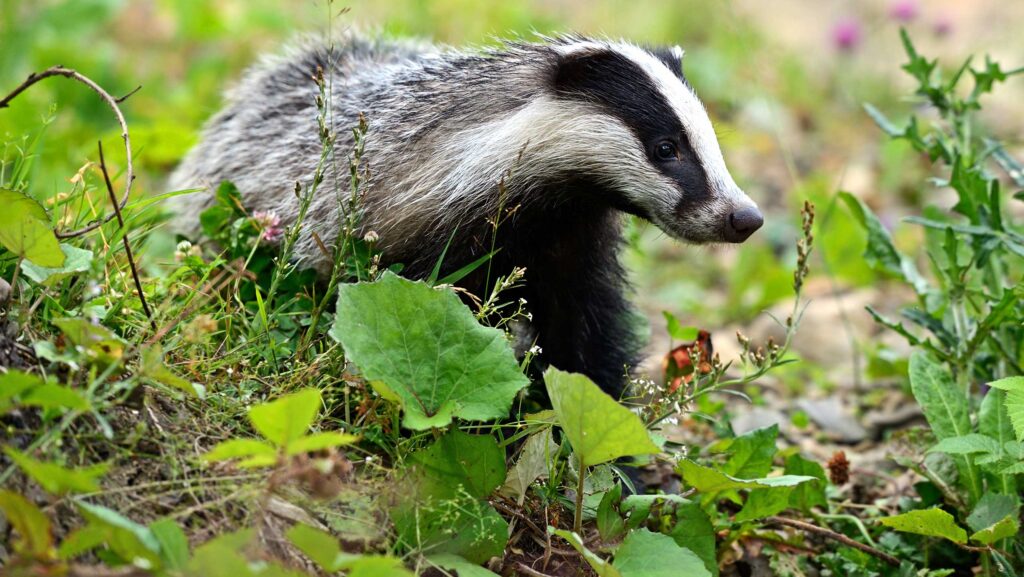 © Adobe Stock
 Badger culling in Cumbria’s Area 73 is set to end after two years of operations, with no licence confirmed for 2026 and vaccination now under consideration as a replacement control method, Farmers Weekly understands.
The 183sq km area south of Carlisle, within the Low Risk Area, was approved for culling in 2024 following an increase in bovine TB breakdowns in cattle. Operations took place in 2024 and 2025.
However, there is no confirmed continuation into 2026, and industry sources told Farmers Weekly they are not aware of any plans for further culling in the area beyond the current cycle.
See also: Defra awards £15m badger vaccination contract
Defra previously confirmed it is ending industry-led badger culling, with the 2025 season marking the final year of operations in high-risk and edge areas under current arrangements.
One culling licence from Natural England remains in Cumbria’s Area 73, but a move to vaccination is now being considered as part of future policy.
In 2024, 5% of tested badger carcasses in the zone were found positive for Mycobacterium bovis, the bacterium which causes bovine TB. Data for 2025 will be published in due course.
Defra has confirmed work is under way on a new bovine TB eradication strategy for England, with publication now expected later in the spring.
It is expanding badger vaccination by rolling out the East Sussex model in up to nine high-risk areas of England, following a £15.2m contract awarded to Farmcare Solutions.
Policy shift splits opinion
Phil Latham, a dairy farmer based in Cheshire and former member of the government’s Bovine TB Partnership, has questioned the rationale of transitioning from culling to vaccination.
He told Farmers Weekly: “We’re going to switch what has been a tremendously successful, farmer-led policy for something which is politically expedient, has no science behind it and has not been tested anywhere in the world – and therefore has no proven record.
“This is farmers being sold short – yet again – by politicians who are squeamish about the facts.”
Ecologist Tom Langton also raised concerns around vaccination, saying: “Surprisingly, at a recent meeting, farming minister Dame Angela Eagle thought the voluntary sector supported badger vaccination as a cattle TB control measure, but was informed that nobody does, apart from Apha and those being paid to do it, which was not what she had been told.”
But Mr Langton argued that claims that badger culling has been successful overlook a “legacy of failed studies” and misinterpret the evidence.
Vaccination field force
A new badger vaccination field force is being developed to support on-farm biosecurity and strengthen cattle-based controls, which remain the foundation of TB policy.
Routine testing, movement restrictions and rapid removal of infected cattle continue to form the core of the strategy, alongside ongoing work on a potential cattle vaccine.
A Defra spokesman said: “Bovine TB remains one of the most difficult and persistent animal health challenges, causing devastation for farmers and rural communities.
“While measures aimed at wildlife can be important tools for disease control, cattle testing and surveillance is, and always has been, the foundation of our bovine TB strategy – and we are strengthening those cattle measures even further.”