

How grass growth benefits from early beef cattle turnout
 © Tim Scrivener
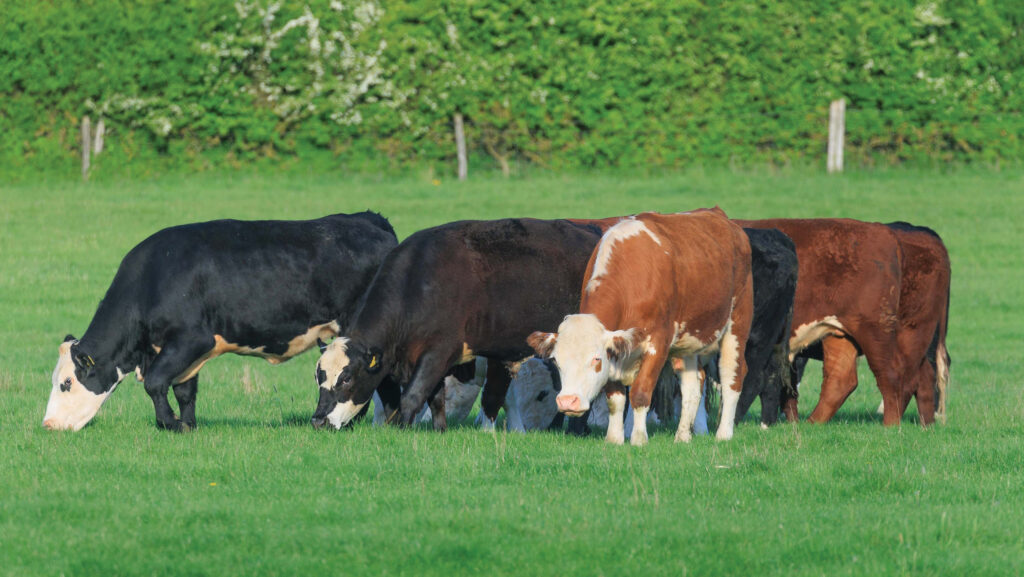
 Beef farmers running low on silage or bedding straw can turn out a small group of yearlings, or other lightweight cattle, in February to graze overwintered grass.
Not only will this eke out feed supplies, it will also save winter housing costs and stimulate spring grass growth.
See also: 7 tips on earthing an electric fence
Ground conditions are often drier – and better – in February than the traditional turnout months of April and May, says Precision Grazing consultant James Daniel.
He says there is plenty of grass available following a mild, wet autumn in 2025, when many cattle were housed early, adding that despite some recent frost damage, quality is still there.
“It is generally more than 11MJ of metabolisable energy and above 18% crude protein, which is often better than silage,” he says.
“Even the dead leaves provide a fibre component, and grazing this helps cattle transition from silage to spring grass.”
Potential savings
James particularly wants to encourage beef farmers to experiment with an earlier turnout this year, given high prices and short supplies of forage and bedding.
There is a huge opportunity to save some silage, rather than waiting until it runs out or having to buy in enough to get to the end of winter, he says.
“You can save on straw, silage, labour and machinery – the savings are farm-specific – so take opportunities when they occur.”
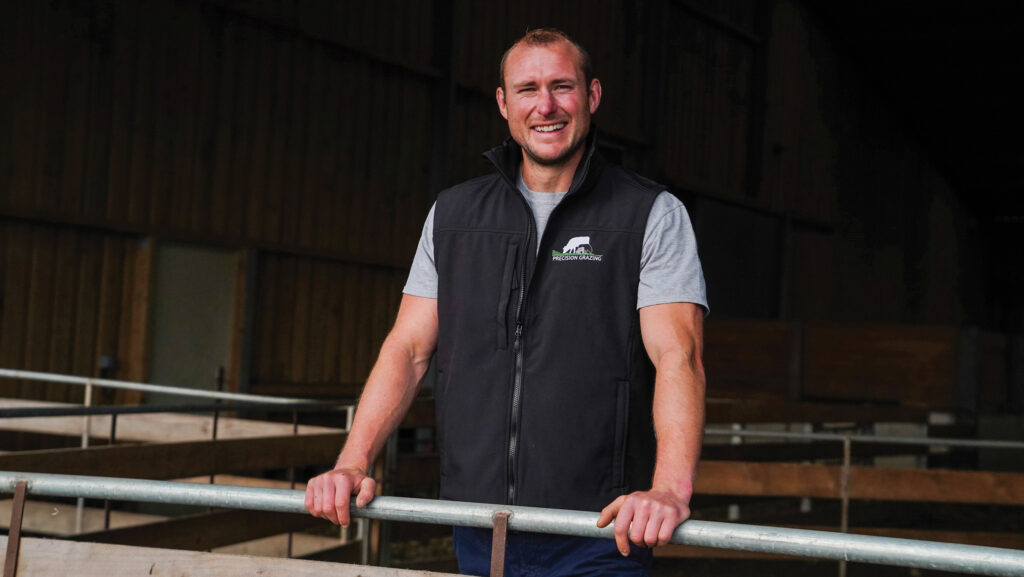
James Daniel © Emily Fleur
Changing weather patterns also mean that farming by the calendar and sticking to traditional turnout dates is becoming unreliable.
“We have to be flexible, and it is useful to have that ability to adapt. Because if you don’t graze in February when it is dry, but keep waiting, then you might be forced out when conditions are wet,” he points out.
An additional benefit from an earlier turnout, he adds, is that fields grazed ahead of the usual time will produce good-quality regrowth, because the first grazing of the season “kicks grass into gear”.
Stimulating grass growth a month or two earlier can result in an extra 1t of dry matter a hectare by the end of the season – provided soil structure is protected.
“Fields grazed in February and March are ready to re-graze by the end of March on a dry farm, or April on a wet farm,” he says.
Flexible approach
However, turning out early is not just about having a bit of electric fencing kit available. It requires the right mindset and a willingness to be flexible to make it work, James advises.
Farmers must be prepared to bring cattle back indoors if it turns wet, to avoid poaching fields and thereby damaging the grass plant. This is why he says putting cattle out relies on good, dry ground conditions.
He also suggests lighter stock (such as yearlings or weaned calves) with a bit of an appetite to graze. And, to make it easier, cattle should not be turned out all at once.
“Identify a field with grass that might be too tall by your regular turnout, and a group of 30-40 animals weighing about 250kg to 450kg to go in it. It might be seen as a bit of work, but there is a value in getting animals out even 30 days earlier,” he explains.
Electric fencing
Where livestock are not trained to electric fencing, James says they can be trained in the yard before going out.
Alternatively, they could spend a day in a whole field using up energy running around before it is then split into manageable sections using the fence. A sacrifice paddock earmarked for a spring reseed will also work.
Attempting to graze a whole field will typically produce poor grass utilisation – even if grazing it for five to six days – and significantly increases the risk of poaching.
James explains that electric fencing is needed to give one- to two-day breaks (or feeds) to manage stock intakes efficiently.
Ideally, grazing should be backfenced as well to protect ground conditions and regrowth, and a mobile water supply is useful.
Plan B
The key is to be prepared to house cattle again if it turns too wet.
“That’s where infrastructure comes in: some tracks from buildings to fields nearby means cattle can graze 60% of their daily intake and get the rest from silage overnight housed.
“Give yourself a plan B: they can go back where they were – inside. Keep an eye on the weather forecast. It’s not a failure if you have to house again after five days – you have saved money,” he points out.
Cattle should be checked twice on their first day out to ensure they have settled well. Thereafter, a daily check will suffice.
But James says farmers need to be proactive on protecting soil conditions and monitor the weather forecast.
If snow or heavy rain is due, stock should be moved sooner rather than later to the next field, or brought in to preserve soil structure.
Daily checks
“Walk through the field every day and see if they have finished grazing it and when they next need to move.” says James.
“You don’t have to graze it as tight as a dairy paddock. Take photos and video on your phone as you go, then you can remind yourself how it was.
“Speak to someone you know who has done it and get some guidance from them. Then, if you have more questions, think about speaking to a grazing consultant for advice, particularly on feed calculations. But have a go, build some confidence – and save money.”