

How to save money by meeting beef retail market spec
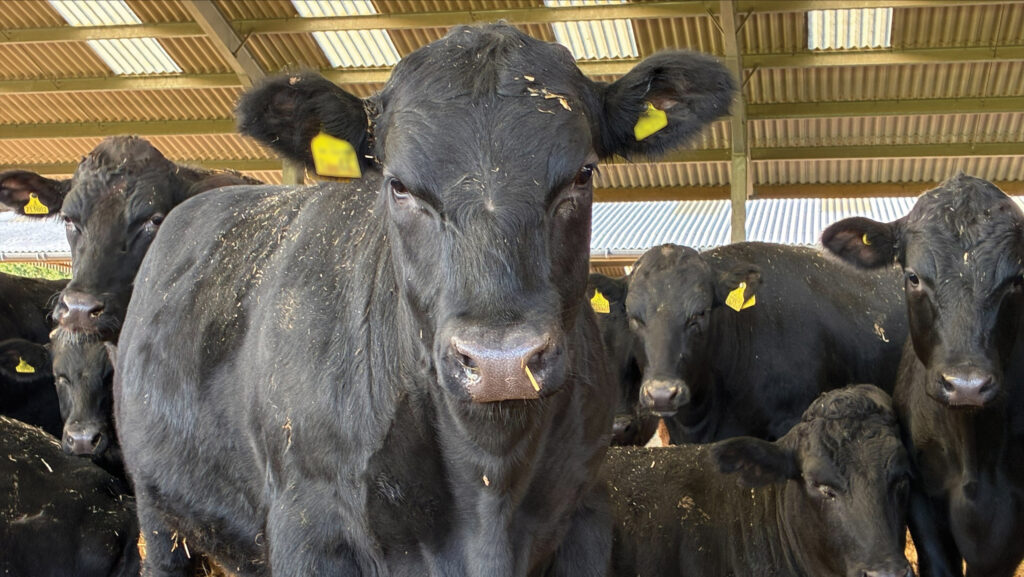 R-grade steers at 14 months and 500kg © Dylan Nutting
 Failing to meet UK retail market specifications for beef can cost farmers about 30p/kg for cattle over 30 months of age, and about 10p/kg for those under 270kg or over 420kg.
Presenting animals at the wrong time at livestock markets has similar financial implications.
See also: 7 focus areas for efficient beef finishing rations
Welsh red meat promotion body Hybu Cig Cymru (HCC) says the key to producers hitting specification and staying on top of performance is data.
Continually monitoring livestock performance through weight gain will allow a producer to not only ensure they have the right genetics but also, crucially, make sure that animals are healthy and receiving the right nutrition.
Processors such as Pickstock, with processing capacity for up to 500 cattle a day, say the goal is to supply retailers with products that match consumer demand.
“For retail beef, ideally the carcass is between 300kg and 400kg and finished between 18 and 22 months, with the preferred grade of R3-4L,” says Dylan Nutting, agriculture executive at Pickstock Telford.
Market specification for beef and sheep can vary widely depending on the end customer, whether domestic or overseas.
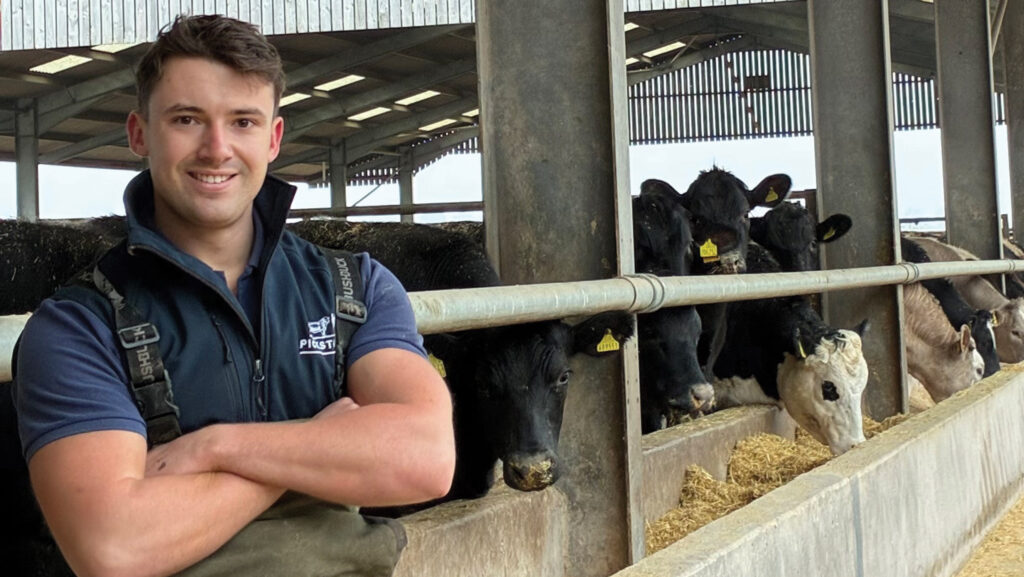
Dylan Nutting © Pickstock
Therefore, HCC recommends to speak with buyers to understand what they are looking for, as this can vary throughout the year because of seasonal demand and religious festivals such as Easter and Eid.
Producers face a number of challenges when trying to hit specification, HCC says.
Conformation, it adds, is mainly down to genetics, with UK breeds suited to a range of environments such as hill or lowland, and used to produce animals for further breeding or for the finished market.
Hitting specifications with regard to fat cover is generally more associated with herd management. HCC therefore advises producers to ensure animals consume the right amount of energy.
The weather can affect this, especially during extreme conditions in the winter and summer, making it difficult to finish animals correctly and in a cost-effective way, it stresses.
Consistent growth
Dylan says that for beef animals to grow consistently, they need to gain an average of 1.2kg/day, which requires good-quality nutrition.
“Keeping good-quality grass and feed in front of them is key; growth rates as low as 0.5kg/day can impact eating quality, and longer finishing times mean a less sustainable product,” he explains.
Farmers, he adds, are paid a premium for hitting the desired carcass weight and fat cover, as this maximises carcass utilisation and aligns with customer specifications.
They can avoid deductions for bruising and abscesses caused by rushing cattle through a crush or injecting the animal in the wrong muscles, ultimately leading to the cut being rejected.
“You need to take care when injecting animals and ideally inject the neck,” says Dylan.
“We have seen abscesses on the rump, and that means rejecting part of the muscle, which could deduct 4-5kg off the pay sheet.”
However, bruising is no longer so common because of better livestock handling, he says.
Finishing time
To improve sustainability and eating quality, the focus should be on continuously reducing finishing times.
“There’s more demand for sustainable beef. The most significant way you can do that is by days to slaughter,” says Dylan.
“One of our finishers on the integrated beef scheme is averaging 17 months, and it’s entirely doable; that’s where the industry needs to move.”
Getting the basics right
HCC says the basic principles to meet market specifications for both beef and lamb are:
- Know your end market
- Utilise the right genetics
- Maintain the optimum level of nutrition
- Ensure animals are healthy
- Market animals only when they are finished correctly
- Clean presentation of livestock.
How not to lose out on market specification
Beef producers need to understand and meet market specifications, while paying heed to technical performance and efficiency, says Andersons’ northern livestock consultant Charlotte Dun.
“While prices are high, now is a good time to sharpen up,” she says. “Those running suckler herds should look at the performance of their breeding stock and the end product.”

Charlotte Dun © Andersons
Charlotte adds adding that losses at calving should also be considered.
“Consider looking at estimated breeding values or, for a proven bull, for an easy calving strain and [maybe] changing breed of bull to an easier calving bull.”
Further attention, Charlotte says, should be given to reducing age at slaughter by 1-2 months where possible.
“Genetics, feeding regime, and environmental factors [such as bedding practices] can all impact animal performance and are key areas to focus on.
“Any reductions in age at slaughter can have a significant impact on emissions’ footprint in terms of enteric fermentation – methane,” she explains.
Farmers should also consider feeding calves a greater volume at a younger age, rather than the same quantity to each age group, as this is when their feed conversion rate is greater and could increase utilisation of feed consumed, she adds.
To get a better market price, producers should also consider uniformity when selecting finished cattle .
“There is nothing worse than taking a ‘liquorice allsorts’ to market. That will bring down your average price of stock,” says Charlotte.
Finished classification
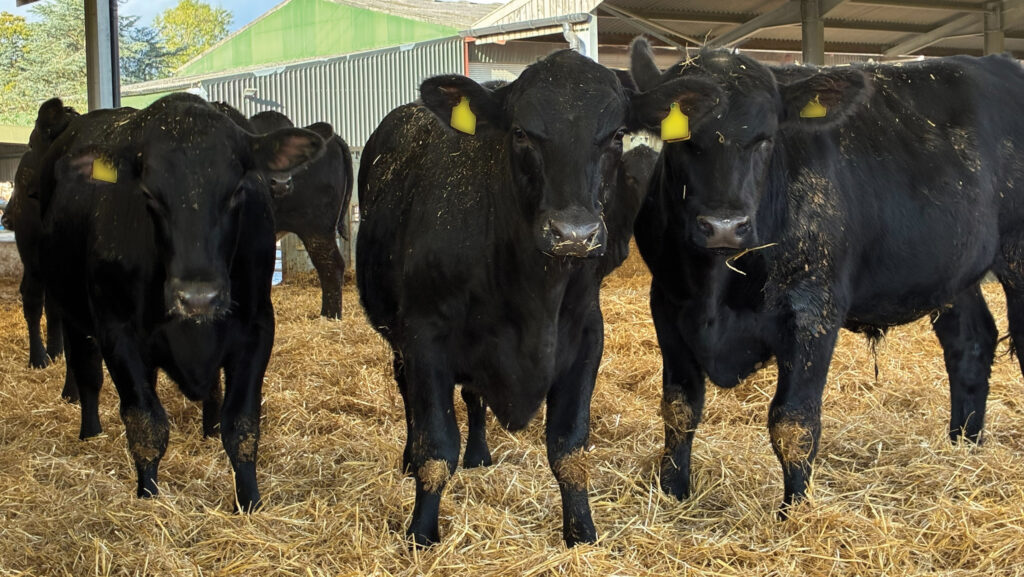
© Dylan Nuttings
For finished cattle, Andersons advises producers to aim for the R4L carcass classification as the processor’s preferred standard.
“Anybody not in those parameters will probably lose out,” Charlotte says, but she thinks processors need to be more proactive in informing producers of their specifications.
Andersons has also observed that many producers lack a detailed understanding of their kill sheets and carbon performance, which impacts profitability.
“There seems to be a lack of understanding of the spec they are trying to achieve, and maybe not enough attention is paid to their kill sheets,” she says. “Then they don’t take action if animals are out of spec.”
Producers looking to improve carbon efficiency and produce in-spec cattle should regularly weigh livestock, so none go overweight, and consider condition-scoring cattle to be able to split under-conditioned animals into a separate group to be fed a separate ration.
Charlotte says 80% of cattle producers probably don’t look at their bottom line. “We know that those who have made carbon efficiencies have a 15-20% higher gross margin,” she adds.