

Northern Ireland consults on mandatory EID tags for calves
 © Tim Scrivener
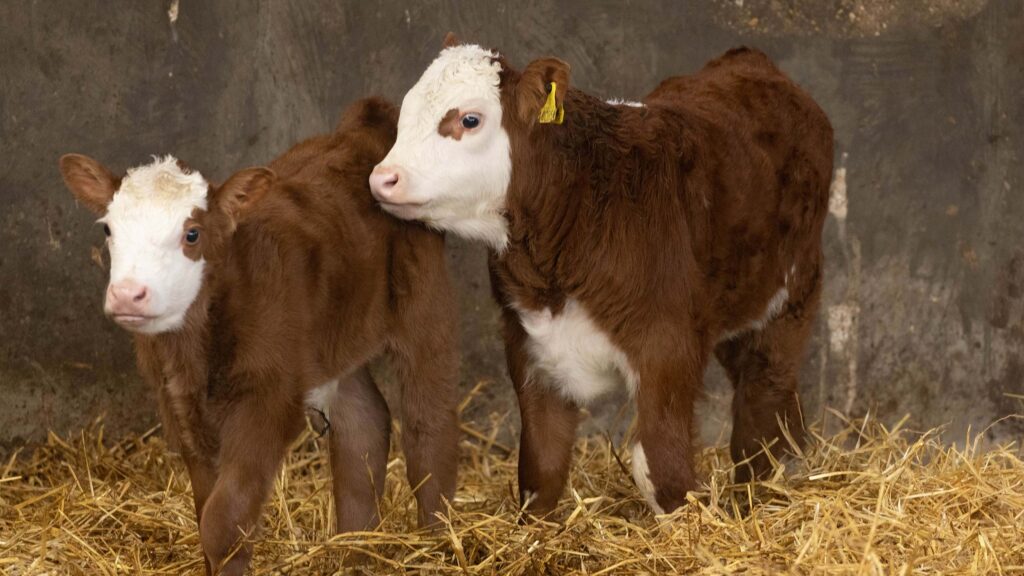
 The Department of Agriculture, Environment and Rural Affairs (Daera) is consulting on measures that would require all newborn calves to be fitted with a low-frequency electronic identifier carrying the animal’s unique identification number.
The consultation, which closes on Monday 23 February, sets out a phased approach, with voluntary bovine EID to be introduced from mid-2026.
See also: Ultra-high or low frequency cattle EID tags: Which is best?
Northern Ireland agriculture minister Andrew Muir said: “This consultation offers an important opportunity for industry representatives and livestock keepers to help shape how mandatory bovine EID could be implemented.”
Subject to a favourable consultation outcome, mandatory EID for newborn calves could follow sometime in 2027.
How Northern Ireland compares
Under current rules, cattle in Northern Ireland are identified for traceability using conventional plastic ear tags, printed with a unique animal number that must be read and recorded manually.
England and Wales are also adopting low-frequency electronic identification ear tags, which will be required for cattle from 2027.
By contrast, the Scottish government has signalled it will mandate ultra-high-frequency (UHF) technology for cattle.
‘Clear benefits’
Mr Muir said EID technology had already shown clear benefits in other sectors and internationally, including more accurate traceability, fewer tag reading errors, greater efficiency in livestock handling and improved safety for handlers and animals throughout the supply chain.
EID is already widely used in animal identification and has been mandatory in Northern Ireland for sheep since 2009.
Next steps
The introduction of voluntary bovine EID from July 2026 will depend on minor legislative amendments and necessary updates to the Department’s Northern Ireland Farm Animal Information System.
Mr Muir stressed that accurate traceability remains central to effective disease control, food safety, and the maintenance of Northern Ireland’s high animal welfare reputation.
“Stakeholder feedback will help ensure that the introduction of bovine EID is practical, proportionate and genuinely beneficial across the industry,” he added.