

Benefits of learning from a non-farming business
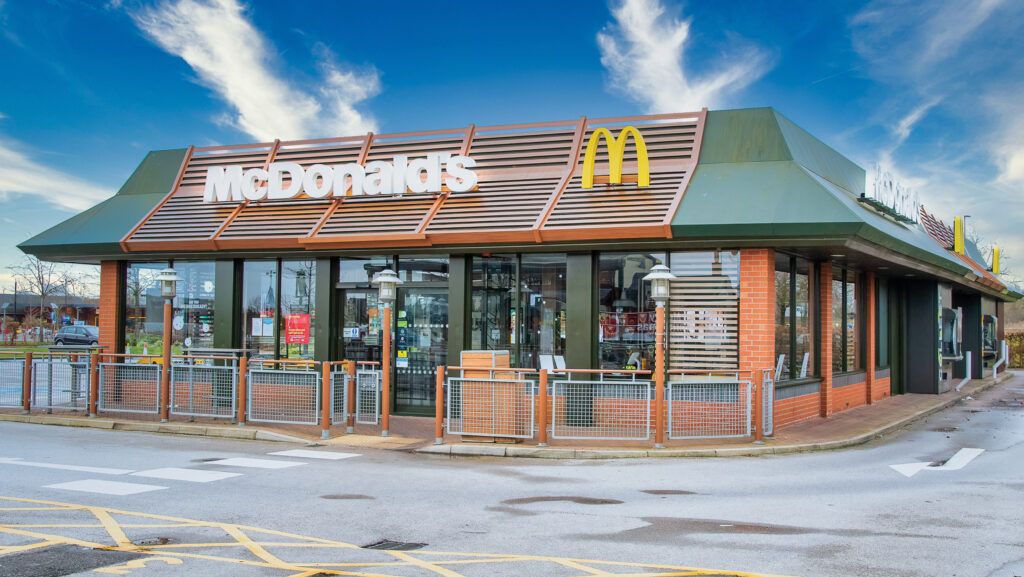 © Adobe Stock
 There is much to be gained from visiting a non-farming business as part of a group of livestock farmers wanting to learn from high-performing, profitable people.
One of the key benefits of learning how other businesses function is to break free from what is termed “group think”, says New Zealand business consultant Paul Bird.
The younger generation may no longer mix in farming-only social groups, but growing up on a family farm means they are still at risk of basing business decisions on emotions.
See also: How a new entrant got backing to set up in dairy
This “group think” of how you view the world, your farm and the way you operate is shaped by your family and community over the years, explains Paul.
Visiting a non-agricultural business is about bringing new ideas back to your own business.
“I think if you want to run and grow a farm, a business strategy focus is very powerful.
“But do your research: it takes some digging around and talking to people to find the top performers – you don’t want the average ones.”
What to learn from visiting non-farming businesses
- People management
- Operating on fine margins
- Efficiency and lowest-cost focus
- Understanding customer behaviour and loyalty
- Leveraging assets and managing risk
- Replicating success through systems and consistency (franchise models)
- Crisis management skills and contingency planning strategies
- Strong budgeting and performance tracking systems
- Sustainability strategies
- Benchmarking – compare performance and efficiency with world-class standards
Source: Paul Bird
Maximum value
Paul says it works best when farmers visit as part of a discussion group, and they travel out of their region for a couple of days.
The extra level of communication among peers means that everyone talks about the visit and what they have learned.
Furthermore, having one person as the designated facilitator, or leader, is essential for asking questions and processing answers during the business visit, and ensuring the visit runs smoothly.
He thinks suitable businesses for livestock farmers are franchises (because the model has an individual owner) or those with an owner-operator.
A company with a very useful skill, or specialised department such as staff management, could also work.
Farmers should be confident, however, in aiming for the person at the very top of a firm to access big thinkers.
“Go to CEO level – most people are pleased to host, and you are a business owner.
“Say that you are progressive and want to grow, and have studied their company, been impressed by what they do and would love to visit,” he suggests.
Preparation
Daytime visits work best, with two hours the ideal length, as people can get tired answering questions.
Some preparation helps to establish expectations for both parties, including an agenda with a business framework in mind, outlining what the group is, and offering background information about the farmer attendees.
Specify which key areas you would like to ask questions about, such as strategic planning, financial benchmarking or how to manage people, Paul advises.
Farmers may not be used to preparing before an outing, yet he stresses that, in this case, it is essential.
“You can’t just turn up. If you don’t prepare, you will look unprofessional.
“Take your figures to refer to, and so you can swap high-level information, and bring a notebook [to record what you learn],” he says.
Another vital ingredient for success is an understanding of etiquette.
This ranges from who will give a vote of thanks; presenting a “decent” gift (a bottle of supermarket wine is not appropriate for a chief executive); and inviting the host for dinner (and paying for them); to basic good manners: shaking hands, speaking to any staff on site, and avoiding little side-groups of chat.
Outcomes
Even though the visit itself may be a triumph, the outcomes are not always obvious.
Paul says he usually finds farmers initially pick up ideas on how to get the best out of people through training and motivation.
Then they start to communicate financial and performance KPIs to employees, having learned that non-farming businesses are more open about sharing this information with staff.
“I see people thinking more and they make tweaks – it’s all part of a learning process,” he says.