

8 ways calf clubs are transforming rearing efficiency
 © Tim Scrivener
 Wyvern Farm Vets’ Proactive Farmer Programme has shown what many farmers already suspected: when calf rearers, vets and vet techs work together consistently, calf performance improves dramatically.
Over the past five years, Wyvern’s calf clubs have supported dairy farms across Somerset through structured, pre-planned visits.
These combine routine on-farm vet visits and vet tech support with group discussion, data monitoring, and shared decision-making.
See also: Why a simple, repeatable system is key for calf rearing
About the author
Georgina Doel is a farm animal vet and business development manager at Wyvern Farm Vets.
She has a particular interest in calves, and is one of the practice’s youngstock experts. Find out more about Wyvern Proactive Farmers.
The result is a calf-rearing system that is not only healthier and more efficient, but also more enjoyable for staff to run.
And the numbers back it up. More than 13,000 dairy calves have been monitored across five consecutive years.
Live-calf mortality fell by a full 1% between 2023 and 2024, saving about 40 calves for every 4,000 born. In addition, pneumonia incidence fell by 11 percentage points in a single year.
Outcomes tracked from five years of structured proactive dairy calf health monitoring across multiple farms include calves born, stillbirths, mortality stages, pneumonia, scour and serum total protein.
(Results are weighted by calf numbers to avoid small-herd bias.)
With margins tight, and scrutiny on antimicrobials use continuing to build, these changes demonstrate the power of proactive, collaborative calf management across eight key areas.
1 Reduction in mortality
© Tim Scrivener
The headline improvement is that mortality is down from 6.89% to 5.89%, excluding stillborns. This aligns closely with the reduced pneumonia burden and more consistent calf-care protocols across participating farms.
This improvement is not down to luck. It is the result of structured, consistent vet and vet tech visits, all centred on the fundamentals: communication, cleanliness, environment, data, and day-to-day unchanging routines.
Most farmers feel they have heard enough colostrum advice to last a lifetime, but the truth is that colostrum remains one of the core pillars of calf health. There are several areas where we see things commonly slip:
- Colostrum production at cow level: quality and quantity are strongly influenced by transition nutrition and dry cow management.
- Harvesting: are the correct vessels being used, and are they cleaned properly every time? A quick smell or a wipe with a finger often reveals when hygiene has drifted.
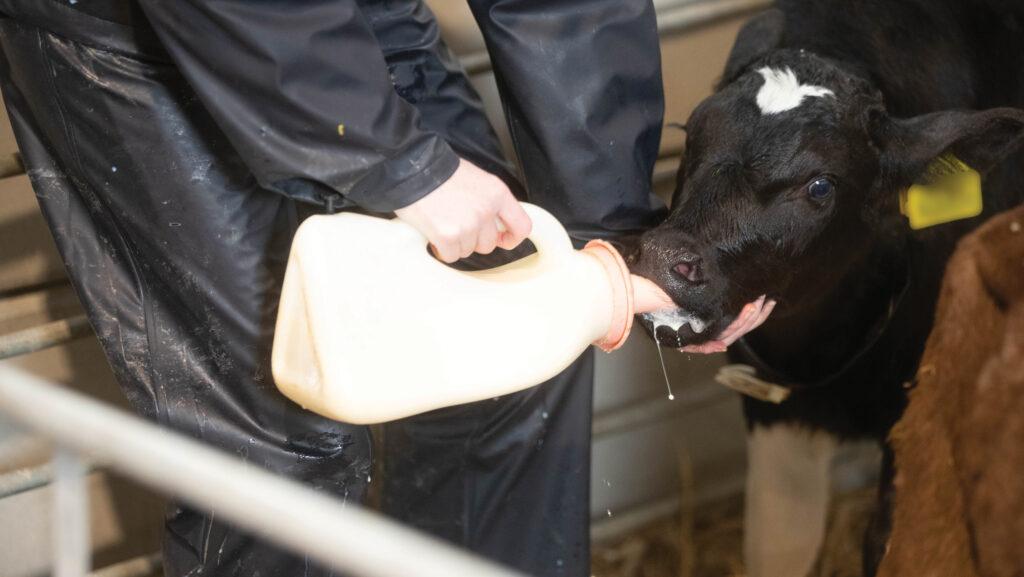
- Feeding: whether tubing or using a teat, the condition and cleanliness of the equipment matter. Hot water and a proper detergent wash make a far bigger difference than many realise. Regular replacement of this piece of equipment also often gets forgotten.
2 Feeding protocols
One of the most immediate changes across farms has been the shift towards higher, more stable milk feeding rates.
Group meetings created space for farmers to compare systems, share challenges and work with their vet to refine feeding strategies.
Greater volumes of milk – and fed more consistently – have helped:
- Support earlier rumen development
- Improve daily liveweight gain (monitored as part of the programme)
- Reduce scour susceptibility by stabilising energy supply.
As one of the programme’s core objectives, tracking calf weight gain has ensured that feeding plans translate into measurable performance improvements on farm.
3 Milk powder choice
© Tim Scrivener
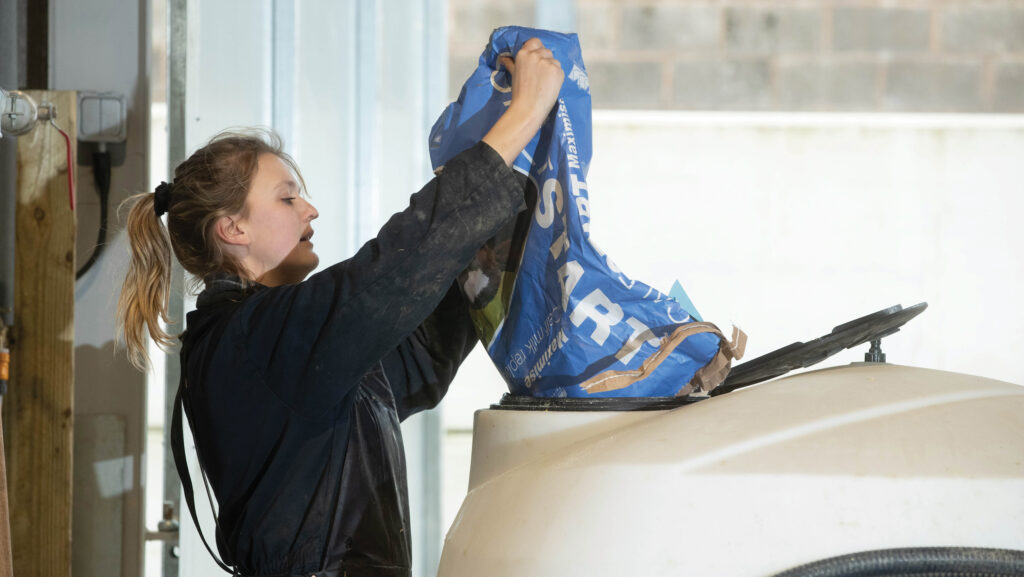
A dedicated farmer meeting on milk powder selection allowed rearers to compare formulations, feeding responses and cost structures.
This was followed by one-to-one advice, enabling farms to adapt the learning to their own system.
The result has been more consistent mixing protocols, better nutritional matching to system needs, and fewer feeding-related scours.
4 Treatment decisions
With pneumonia previously peaking at 29.71% in 2023, then falling to 18.54% in 2024, it is clear that changes in protocols are working.
Farms have achieved:
- Better use of anti-inflammatories
- Targeted antibiotics only when indicated
- Increased uptake of calf vaccines
- Earlier identification of pneumonia risk factors.
This has been particularly important during a period where passive transfer failure has been turbulent, with total protein averages falling from 7.19g/dL to 5.79g/dL. Despite this immune challenge, proactive planning helped maintain improvements in morbidity and mortality.
The data show an increase in scour incidence, but much of this reflects a genuine shift in how scour is identified and recorded.
Previously, many farms only logged a case if a calf was obviously unwell or off feed.
Now, with better awareness and training, even mild cases are being recognised earlier, recorded properly, and treated promptly with rehydration and anti-inflammatories before calves become systemically sick.
This can only be a positive change, especially when viewed alongside the steady rise in growth rates over recent years.
5 Hygiene improvements and shed design changes
Many members have made structural changes following vet audits:
- More logical workflow and efficiencies
- Dedicated colostrum/feeding/mixing areas
- Better drainage/bedding management
- More sheltered environment for younger calves
- Heightened cleaning regime to include hot water and detergent.
6 Staff training
A recurring theme in all meetings has been the importance of bringing every member of the rearing team into the discussion. Meetings have proved a powerful forum for:
- Aligning staff on feeding, hygiene and treatment protocols
- Standardising/improving record-keeping
- Ensuring colostrum handling is consistent
- Allowing newer team members to learn from experienced vets and farmers.
This team-based approach has been crucial, especially in tackling problems driven largely by inconsistent colostrum collection, storage, and feeding, as well as staff changes on some units.
7 Data monitoring
Every proactive visit includes data capture:
- Calves born
- Mortality timing and cause
- Pneumonia and scour rates
- Serum total protein
- Weight gain trends.
This allows Wyvern vets and farmers to respond quickly to emerging issues and to understand exactly which interventions are making a difference.
8 A platform for progress: meetings that drive change
Proactive meetings and visits give farmers and staff a structured space to share experiences, compare performance metrics and evaluate new products or protocols.
The nutrition and milk powder meeting, for example, led directly to:
- More appropriate powder choices
- Standardised mixing methods
- Improved feeding consistency
- Better weight gain outcomes.
Farmers repeatedly report that hearing what others are doing and seeing data to back it up helps drive positive change more than any advisory leaflet or one-off visit.
Drivers for efficiency
These visits are demonstrating that progress in calf health does not rely on expensive technology or massive facility upgrades. Instead, it is driven by:
- Regular vet and vet tech support
- Better data and shared learning
- Staff engagement at all levels
- Targeted improvements in feeding, hygiene and environment.
The results speak for themselves: fewer pneumonia cases, lower mortality, more efficient rearing, and thousands of pounds saved on each farm.
Colostrum management and early-life care will remain the most powerful levers, but with collaboration, farms are well-positioned to push these improvements even further.