

Improve rumen health to counter rising feed costs
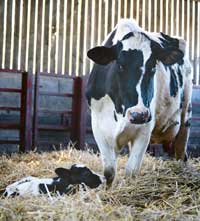
Improving rumen health could help counter rising feed costs, according to Graeme Smith , technical sales manager, Alltech UK.
He says with dairy farmers facing higher prices of bought-in protein this winter, now is the time to allow the cow to produce her own source of quality protein for milk and meat production – and an improvement in rumen health is the answer. “Bacterial protein, produced in the rumen, is the best form of protein for milk production and for the cow itself.”
However, due to a number of farms using C16’s to raise butterfat, rumen efficiency is not being optimised. Mr Smith suggests when forage stocks are adequate, removing part of the protein element for the diet such as rape and soya and replacing it with alternative protein such as Optigen.
“As a highly concentrated, slow release nitrogen source, 100g of Optigen provides the equivalent rumen-degradable protein of around 1kg of a conventional protein source such as a rape soya blend.
“This generates space; a much-needed ingredient in diet formulation, and if the space is filled with good quality forage, you will see a great deal of the current issues associated with the modern dairy cow abate,” explains Mr Smith.
As more forage is fed, the cow will naturally cud more, producing nature’s own buffer due to the bicarbonate in the saliva. “With a cow producing over 4kg of saliva a day, is adding an additional 100-200g of buffer really more effective?” he asks.
More cudding leads to a reduced acid load in the rumen, facilitating greater fibre digestion due to the favourable environment for cellulotytic bacteria, and more fibre digestion leads to more butterfat, thus reducing the need for C16. This process is a virtuous circle, as more energy is released from the diet leading to more milk production.
As the rumen is healthier, it will grow more rumen bacteria, which will eventually get washed out of the rumen to be digested by the cow. This bacterial “soup” has an excellent amino acid profile that most closely matches the amino acid profile of milk protein and body tissue.