

Is there a future for spring milk in the UK?
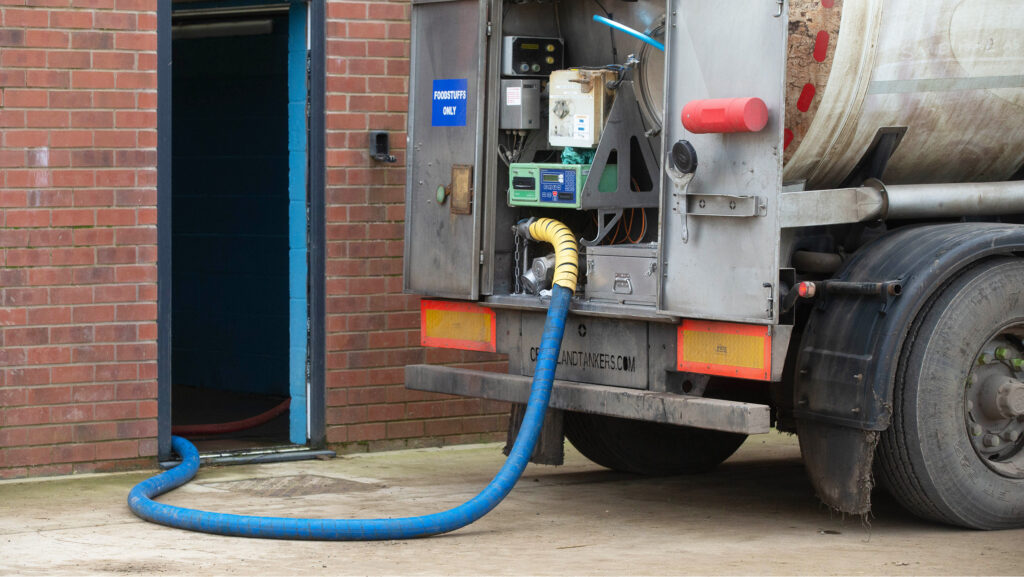 © Tim Scrivener
 A dairy consultant is warning that if the industry is to avoid worsening supply imbalances, spring milk production must evolve to create flatter production profiles.
Current UK processing capacity is about 38m litres/day, but this is deemed insufficient to cope with sharp spring peaks and breakdowns.
Milk volumes are already up 3.6% on the year, with the coming spring flush expected to tip the scales even further.
See also: Long road to recovery for dairy sector as prices cut further
“None of the processors can afford to have steel standing idle just to process spring flush milk,” said Kite consultant David Keiley. “As a nation, we must build capacity year-round, not for a few months in the spring.”
He said recent investments by processors reflected demand for a consistent milk supply.
Muller’s upgrade to its Skelmersdale site, following the acquisition of Yew Tree, will increase ingredients production and milk powder exports, while Arla’s new mozzarella plant in Devon is already under construction.
Consistent supply is key
While this will help address their oversupply imbalance in the long term, David said milk supply must be consistent to optimise factory efficiency.
“To optimise efficiencies, UK manufacturers require a consistent milk supply.
“Spring milk can be cheap to produce in a good season in terms of margin over purchased feed, but it’s not where processor demand is heading. These factories need to run flat out.”
Block-calving systems continue to grow in popularity, now accounting for 19.6% of UK herds, according to the AHDB.
Spring block remains the smallest category, at 5.4%, compared with 7.2% for autumn block. Dual block makes up 4.2%, with other blocks accounting for 2.9%.
While David believed block calving systems still have a place in the UK, he said farmers would need to adapt to meet market requirements by moving to a split block.
“There will always be a place for block calving because of our grass-growing climate, and there will be efficient grass-based producers able to make good money from spring systems. But, overall, we need flatter profiles.
“We are not in the same position as New Zealand or Ireland, where steel sits empty for part of the year.
In the main, such processing is owned by co-ops, and ours aren’t big enough or geared up to cover fixed costs, so we will never have seasonally operational factories.
“We haven’t got that luxury because processors are investing in exportable products and we must manage supply to get the best out of the market,” he said.
2026: a reckoning for spring milk
David predicted that this spring would be a time of reckoning for spring milk production, with lessons from this season likely to shape processor penalties.
Milk processors have already taken steps to manage volumes ahead of spring.
Muller has introduced volume allowances for 2026, meaning suppliers exceeding 2025 monthly volumes for March to June by 2% will receive just 1p/litre for that milk.
Others are saying that some spring milk may not be picked up or paid for, and farmers will have to dump it at their own cost.
“It’s going to be a challenging spring, depending on the weather,” said David. “What happens this year will dictate how processors deal with the spring flush in the future, in terms of seasonality pricing models.”
Kite published a report, Decoding Dairy Disruption (PDF), last September, analysing how the dairy supply chain was evolving
David Keiley was speaking at Dairy-Tech, Stoneleigh, Warwickshire