

Auctioneer dismay at Holyrood’s approach to bluetongue
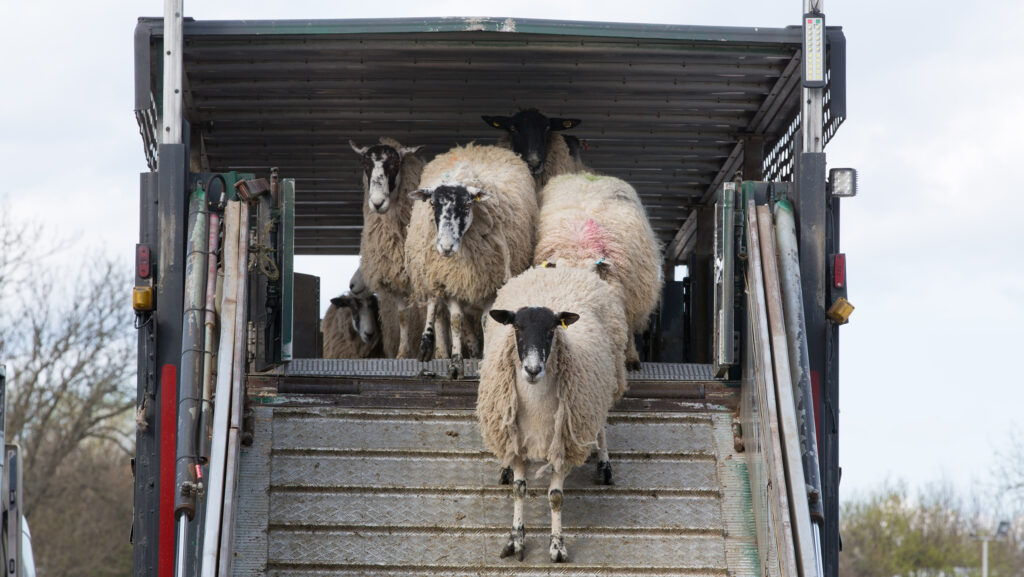 © Tim Scrivener
 Plans to reintroduce movement restrictions on livestock to Scotland this summer have prompted concern among auctioneers, who warn the measures could disrupt trade during a key period for the sector.
The Scottish government confirmed that controls on bluetongue (BTV-3) susceptible animals will apply from 1 June to 9 September, and movement licences will be available closer to the time.
The restrictions cover animals and germinal products moving into Scotland from restricted zones – including England, Wales, Northern Ireland and the Isle of Man – and are timed to coincide with the highest risk period for disease transmission.
See also: Bluetongue vaccine efficacy and availability concerns raised
For farmers who rely on cross-border trade, the rules are expected to add both cost and complexity.
The Institute of Auctioneers and Appraisers in Scotland (IAAS) estimates the measures could affect about 50,000 livestock movements, with a potential impact of £35m in sales.
IAAS executive director Neil Wilson said: “In recent consultation with the Scottish government, we recommended a focus on vaccination would be the most progressive policy for trade and livestock protection.
“With the virus confirmed in Northern Ireland and the Isle of Man, it is likely to be only a matter of time before it reaches south-west Scotland through infected midges, regardless of restrictions on movement.”
He added that, given ongoing economic pressures on farms and supply chains, any vaccinated animals should be allowed to move across borders during the restriction period.
Movement restrictions
Under the new rules, most cattle, sheep and other susceptible animals entering Scotland from restricted areas must test negative for bluetongue using a PCR test taken within seven days prior to movement.
Farmers are responsible for ensuring samples are submitted and processed in time.
Exemptions are granted in specific situations, such as animals moving directly to slaughter, short-term transfers of up to four days for shows or sales, and cattle that have completed a full Bultavo-3 vaccine course or received a booster according to guidelines.
For farmers attending markets or shows in restricted zones, animals returning to Scotland may require testing depending on the length of stay, with additional biosecurity measures advised.
Vaccination strategy
The National Sheep Association (NSA) is encouraging farmers to work with vets to plan vaccination strategies.
NSA policy manager Michael Priestley said: “The raft of health challenges BTV-3 presents – including fertility issues and mortality – have been stated as key reasons behind the strategy to keep BTV out of Scotland.
“NSA would like to thank the Scottish government for engaging with the livestock sector and taking a difficult decision while being open about the trade-offs.”
Further decisions on rules for germinal products are still under review.
Farmers are reminded that suspected cases bluetongue must be reported immediately to the Animal and Plant Health Agency.
There have been 328 cases of bluetongue in the UK since last July, but no cases in Scotland.