

Deadline looms for Defra’s mandatory vet visit consultation
 ©Tim Scrivener
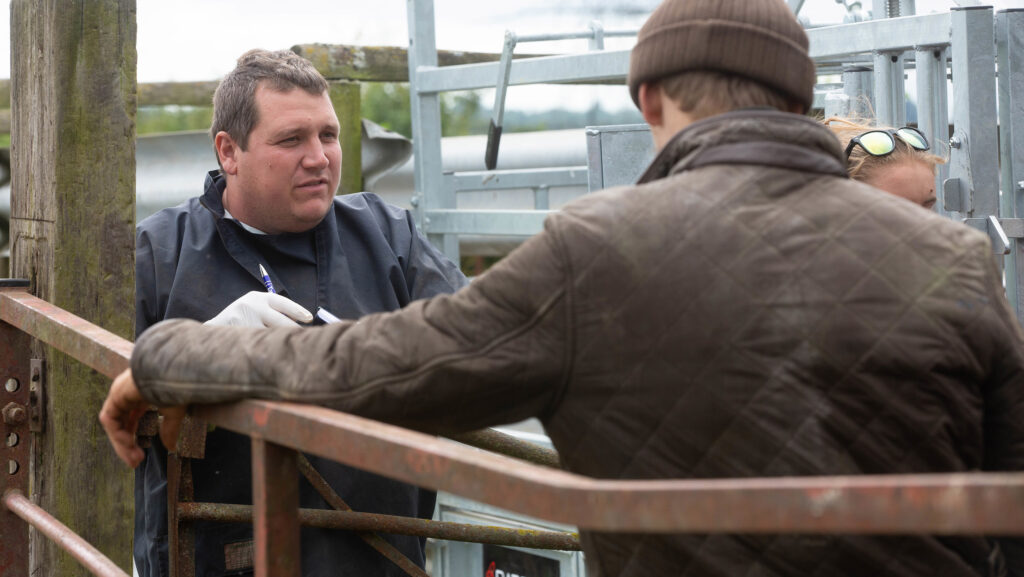
 Farmers have just over a month left to respond to a major Defra consultation that could make vet visits mandatory on farms in England.
Launched at the NFU Conference in February by Defra secretary Emma Reynolds, the 12-week consultation closes on 18 May and seeks views on proposals that would significantly reshape animal health policy across the livestock sector.
At the centre of the plans is a requirement for annual veterinary reviews on most cattle, sheep and pig farms. It asks whether smallholdings should be exempt.
See also: Defra to increase payments for farm vet visits
These visits are currently voluntary and funded under the Animal Health and Welfare Pathway.
However, Defra is now consulting on making them compulsory, alongside requirements to share data on animal health, medicine use and farm performance.
Often referred to as the “Mandating Pathway”, the proposals build on the voluntary phase of the Animal Health and Welfare Pathway, which since 2023 has funded annual vet visits for livestock farmers in England.
Under the current scheme, sheep farmers – for example – can claim £574 for an annual review and £658 for a follow-up visit (updated 2026), reflecting a policy designed to incentivise uptake.
Farm businesses will continue to be able to access funding for a free annual review through the Animal Health and Welfare Pathway until 2027.
However, the proposed shift to mandatory participation would move away from the current voluntary, incentive-based model.
While final funding arrangements have not been confirmed, it remains unclear whether payments for routine vet visits would continue in their current form once participation becomes compulsory.
The consultation also includes proposals for mandatory flock health plans for sheep, a national eradication programme for bovine viral diarrhoea (BVD) in cattle – similar to those already in place in Scotland and Wales – and a long-term control and eradication strategy for porcine reproductive and respiratory syndrome (PRRS) in pigs.
This virus is estimated to cost the industry £52m/year and is associated with increased antibiotic use.
Industry groups are encouraging farmers to take part before the deadline.
NSA guidance
The National Sheep Association (NSA) recently hosted a webinar to support engagement with the consultation, focusing on the implications for sheep producers.
The session featured a presentation from Defra vet Naomi Bull, followed by discussion involving NSA chief executive Phil Stocker, Sheep Veterinary Society president Phillipa Page and Devon farmer Liz Griffiths.
Speakers at the NSA webinar highlighted both potential benefits and practical concerns, including how requirements would work across different farm systems and the impact on costs.
The NSA has also produced guidance (opens as PDF) to help farmers complete the consultation and is urging producers to ensure their views are heard.
Defra says the measures are intended to improve livestock health, welfare and biosecurity, and that feedback from farmers and the wider sector will play a key role in shaping the final policy.