

TB exposure in Exmoor deer highlighted by study
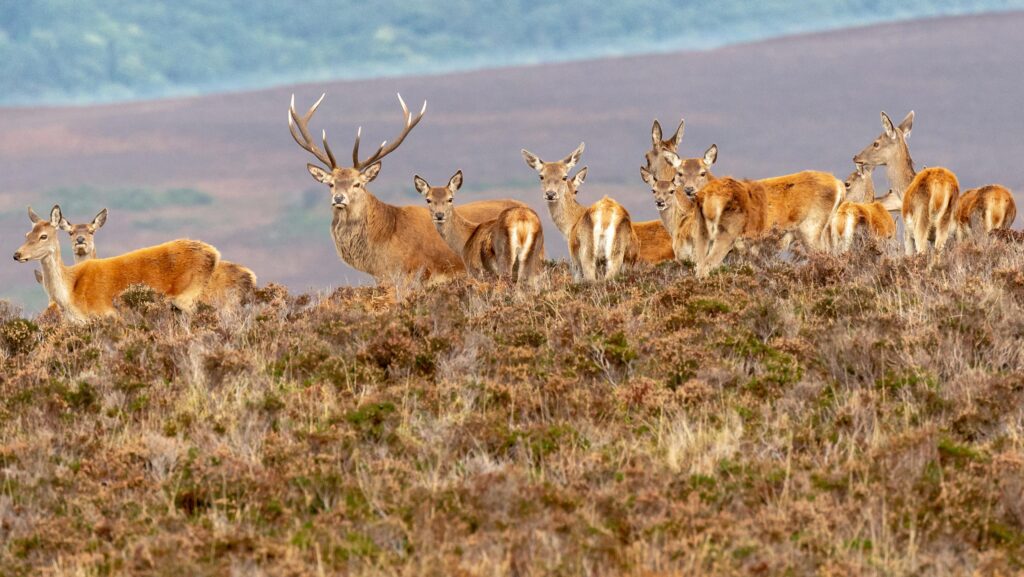 Deer on Exmoor © Adobe Stock
 More than a quarter of wild deer tested on Exmoor show evidence of past exposure to bovine tuberculosis.
This is according to a new government-funded study, which raises fresh questions about the role of wildlife in one of England’s most persistent livestock diseases.
Researchers from the Animal and Plant Health Agency (Apha) analysed blood samples from 432 deer culled during routine management operations between August 2022 and July 2023.
See also: Study examines link between red deer and cattle TB on Exmoor
Using an IDEXX antibody test, which detects immune response rather than active infection, they estimated a true exposure rate of 27.4% after adjusting for test accuracy.
Bovine TB, caused by the bacterium Mycobacterium bovis, primarily affects cattle but can also infect a range of wildlife species, including badgers and deer.
A positive antibody result indicates past exposure to the bacterium and an immune response, but does not show whether the animal had active disease or could transmit infection.
It also does not prove that deer are transmitting TB to cattle or driving new outbreaks.
Most of the sampled animals were red deer, which accounted for just over 80% of the samples, though similar exposure levels were seen in fallow and roe deer.
Exposure was found to increase with age, with relatively few positives among younger animals.
The findings place Exmoor towards the higher end of TB prevalence estimates reported in deer populations globally.
It highlights the potential for localised wildlife reservoirs in areas where the disease is already endemic in cattle.
While deer have received far less attention than badgers in England’s bovine TB control efforts, the authors say this study helps fill an important gap in understanding.
“The estimates derived from this study will increase our understanding of the role wild deer play in the epidemiology of bovine TB in the study area and inform future policy decisions regarding disease management options,” they concluded.
The study relied on samples collected from culled animals rather than a random population survey, an approach the researchers acknowledge could introduce sampling bias.
Reaction
Commenting on the report, Sarah Tomlinson, lead veterinary science expert at the AHDB, said: “These findings confirm that deer can be exposed to bovine TB, although their role in transmitting infection to cattle remains unclear.
“Managing deer populations is generally more straightforward and widely acceptable than badger control, with culling permitted under a general licence.
“While there is already a legal requirement to report TB‑like lesions to Apha, greater awareness of this obligation among farmers and stalkers is needed.
“Improving reporting will strengthen our understanding of how wildlife reservoirs contribute to the spread of bovine TB and help safeguard the significant progress made in recent years, including the lowest levels of TB seen in some areas for over 20 years.”
Defra response
Responding to the study, Defra said TB prevalence in deer is generally considered low at a landscape scale, meaning they are often viewed as “spillover” hosts.
However, the department has indicated that the relatively high exposure rates observed on Exmoor suggest deer may present a more significant, localised risk in some settings.
A Defra spokesman said bovine TB remains “one of the most difficult and persistent animal health challenges”.
He added the findings would feed into the evidence base for a new TB strategy for England, expected later this spring.