

NPA border security warning as African swine fever hits Spain
 © Adobe Stock
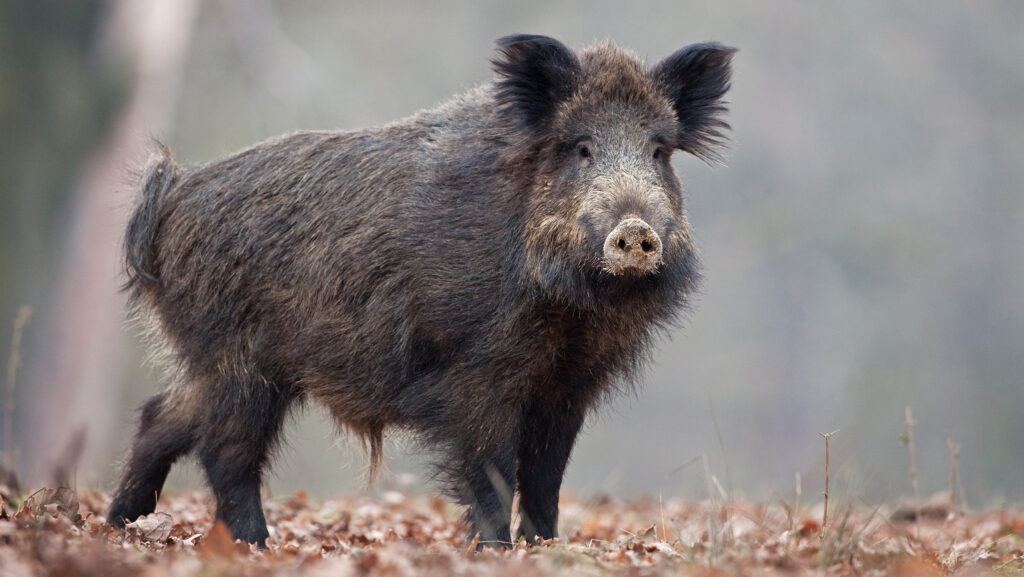
 An outbreak of African swine fever (ASF) in wild boar in Spain has raised concerns about border security in the UK, given previous poor performance, according to the National Pig Association (NPA).
The cases were confirmed on Friday (28 November) in two wild boar found dead about 1km apart, near the Autonomous University of Barcelona, marking the first ASF cases in Spain since 1994.
Reports suggest more suspected cases have been discovered near the Catalan city.
See also: 6 ways to help protect against African swine fever
The NPA is concerned that the UK’s border security is not good enough, pointing to the UK government’s handling of the foot-and-mouth disease (FMD) outbreak in Germany earlier this year, when commercial products reportedly continued to enter the UK after the ban was imposed.
Border control worries
NPA chief executive Lizzie Wilson said: “We urge the government to ensure there is no repeat this time – and that its systems and communications are up to scratch, so that banned product from Spain cannot get past our borders.”
The NPA also said the government must provide sufficient funding for port health authorities and Border Force for their vital work in intercepting the significant volumes of illegal meat entering the country, particularly at Dover.
“These products often originate from ASF-infected parts of Europe, as criminal gangs target the UK because of its reputation for soft border controls,” she added.
A Defra spokesman said that all fresh pork and other affected products from Spain will be held at border control posts until further notice, and that it will “continue to monitor the situation and keep all measures under review”.
“We have strict import controls in place to manage the risk of ASF, including new restrictions on personal pork imports introduced last year,” the spokesman added.
Regionalisation
Spain has taken steps with trading partners, notably China, to ensure regionalisation agreements are in place, to protect trade from outside infected areas in the event of an ASF outbreak.
“We have heard nothing official from the UK government about any attempt to forge vital regionalisation agreements,” said Ms Wilson.
“It is clear that there are huge benefits from having these in place before notifiable diseases strike – and we urge the UK government to be as proactive as possible in this area to help protect our vital export market.”
Huge threat
Spain is the world’s second-largest pork exporter, with the 2.7m tonnes exported in 2024 valued at more than €8.8bn, according to Interporc.
In the first nine months of 2025, the UK imported 56,000t of pigmeat products from Spain, 11% up on 2024.
Ms Wilson added that this outbreak could significantly affect Spanish pig producers, with a ripple effect on the wider EU and UK pork sectors, if Spain were to face substantial export restrictions over an extended period.
“This incident also starkly highlights the huge threat posed by the ASF virus – and its continued ability to pop up anywhere at any time, with humans undoubtedly playing a significant role,” she said.
“A UK outbreak of ASF is possible, but not inevitable if everybody plays their part,” she added.
Red Tractor launches outdoor pigs standards with new logos
Two new modules are being introduced to the Red Tractor Pigs Scheme – “Enhanced welfare outdoor bred” and “Free range” – accompanied by distinctive on-pack logos to help the industry communicate the higher animal welfare inputs to shoppers.
Developed by industry and subject to extensive consultation over the past 18 months, the new modules are benchmarked against existing high welfare assurance schemes, such as RSPCA Assured.
This means that pig producers who farm to Red Tractor standards and that of another assurance scheme can now satisfy their customer requirements with a single Red Tractor audit.
Red Tractor pigs sector chairman Stewart Houston said: “These new modules recognise greater freedom and comfort for the animals.
“The new logos will provide consumers with greater choice on the shelf, while the standards sitting behind them provide outdoor producers with a way of reducing their on-farm audits while maintaining access to existing markets.”