

Cold milk fed to surplus lambs as good as warm, trial shows
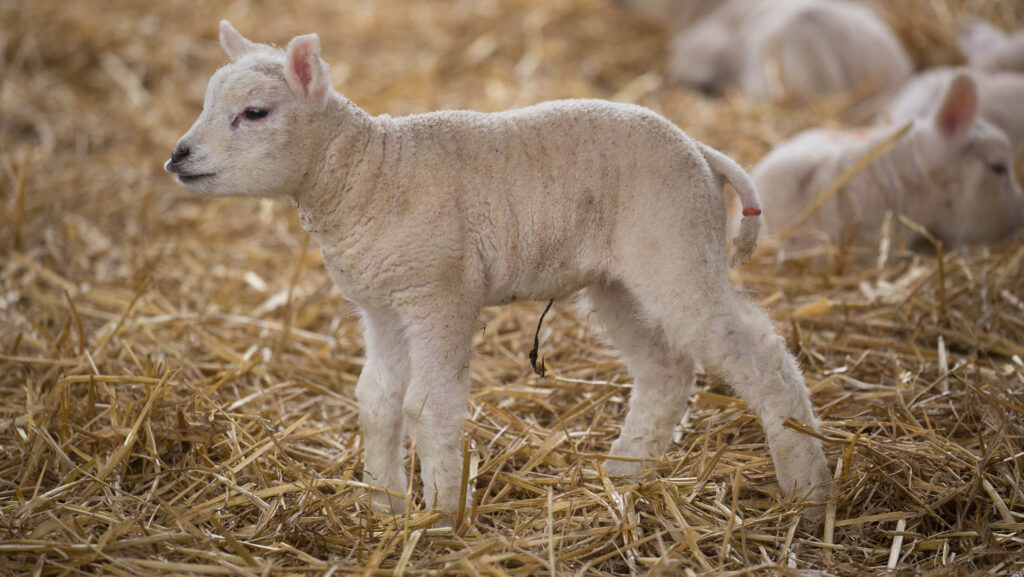 © Tim Scrivener
 Feeding cold milk to surplus lambs can result in daily liveweight gain and weaning weights comparable with those fed warm milk, according to new research.
But care must be taken to ensure lambs reared this way are in deep-bedded pens free of draughts to avoid possible chill stress.
This finding could be of particular benefit to farms without easy access to warm water for mixing milk replacer in the lambing shed, or where labour resources are tight, says Dr Jessica Cooke, research and development manager at Lamlac.
See also: Advice on lifting lamb weaning percentage
Feeding milk cold could also simplify management of pens with mixed ages of surplus lambs, she adds – but lambs must be trained on warm milk for the first seven days of their lives.
Trial results
In the trial, carried out at Harper Adams University in 2025, 23 lambs (average birthweight 3.4kg) were left with the ewe for the first 24 hours, with supplementary colostrum fed if needed.
They then moved to a training pen, where they were fed warm (25C) milk for seven days, before switching to cold milk (10C), fed in a larger pen with access to fresh water, forage and creep feed.
At abrupt weaning at 35 days, the lambs weighed an average of 15kg, and average daily liveweight gain (DLWG) up to weaning was 0.33kg/day.
Similar results were shown in a 2023 study at Reaseheath College, where lambs were fed warm or cold milk from eight to 35 days.
There was very little difference in DLWG to weaning, says Jessica: 0.27kg/day in the cold group, compared with 0.25kg/day in the warm group.
Rumen development
Earlier research had shown the benefit of reducing milk replacer temperature once lambs were a week old (to 20C and then 15C).
“Creep feed is absolutely essential for rumen development, so knocking those temperatures back will help encourage creep intake,” she says, adding that this will avoid a setback in growth at weaning.
Warmth and consistency
Dr Katie Denholm, vet and senior academic clinician at the University of Glasgow, says there is little published evidence that older lambs will be detrimentally affected by cold milk feeding, particularly at warmer ambient temperatures.
However, lambs housed in a warm environment tend to use feed more efficiently than those housed in cold ones, she says.
“Therefore, it makes sense to try to regulate their housing through deeper straw bedding and draught prevention to maximise growth rates and feed utilisation.
“Surplus lambs also thrive on consistency of milk feeding, so make sure it is consistent in concentration, timing and temperature for best results,” she adds.
Key considerations when feeding surplus lambs
- Maximum 25 lambs in a pen
- Eight to 10 lambs to one teat
- Mix milk at the correct concentration
- Train lambs on warm milk – 25C for seven days, then 20-15C by two weeks of age
- If feeding cold milk (environmental temperature permitting), mix and feed at 10C
- Provide creep feed for rumen development
- Attention to detail and good management are essential.