

How recording lamb losses led to better flock performance
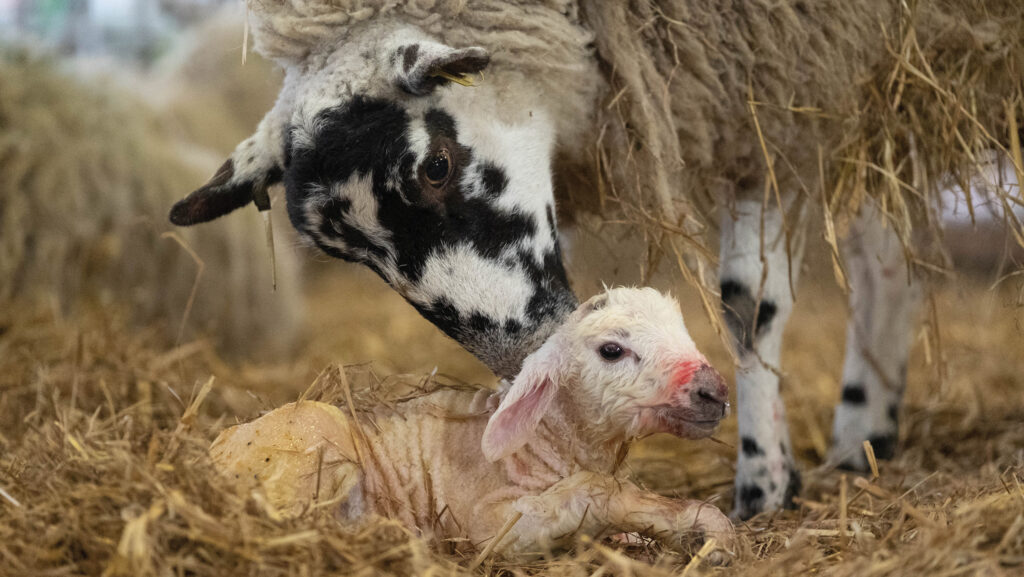 © Tim Scrivener
 Inspiring farmers to record lamb survival rates and benchmark performance was the aim of the game when Synergy Farm Health first launched its lamb survival survey.
Now in its eleventh year, the 2025 survey assessed lamb losses in 30 commercial flocks representing 11,000 ewes across the South West.
Data from last season showed lamb losses from scanning to weaning averaged 10.1% overall, well below the national target of less than 14%.
See also: How a flock health plan can help improve performance
However, they ranged hugely across the flocks, from 0% to 34%.
Synergy vet Charlotte Mouland says the survey has provided a powerful benchmarking opportunity for participating flocks and has led to more than 100 farmers attending five follow-up meetings.
The numbers
- 34 The highest percentage of lamb losses within the survey
- 0 The lowest percentage of lamb losses within the survey
These meetings allowed flocks, which ranged in size from 100 to 2,000 ewes, to compare performance anonymously and discuss their results with vets to improve in readiness for the season ahead, she explains.
Breakdown of losses
Last season, the highest mortality rate, 8.4%, occurred within 48 hours of lambing.
Charlotte says this is unsurprising given this is the “most risky time” for lambs.
“Losses at this time can be caused by difficult lambings, infectious diseases, watery mouth, mismothering, poor colostrum uptake or starvation and hypothermia.
“There was no correlation between indoor and outdoor lambing.
“Some outdoor lambers thought they would naturally have higher losses, but that’s not what we found,” she says.
She added that no cases of Schmallenberg were seen on client farms last year.
“The year before [2024], we had an awful lot of cases, and I think ewes had some immunity last season.”
© MAG/Michael Priestley
Recording has made a real impact at an individual flock level.
One flock lowered lamb deaths from 30% to 10% within one season after the survey highlighted high losses at lambing.
A vet follow-up led to ewe blood samples being taken and an iodine deficiency was diagnosed.
“Iodine is required for many metabolic processes and if ewes don’t have enough, they are at high risk of stillbirths and weak lambs,” explains Charlotte.
Advice for recording and reviewing data
Her advice for farmers who do not already record lamb losses is to start small.
“If you record a lot of data in the first instance, it can be overwhelming and difficult to extract the value.
“Start from scratch and use scanning cards, sales data, or count how many bags of lambs went to the fallen stock centre.
© Tim Scrivener
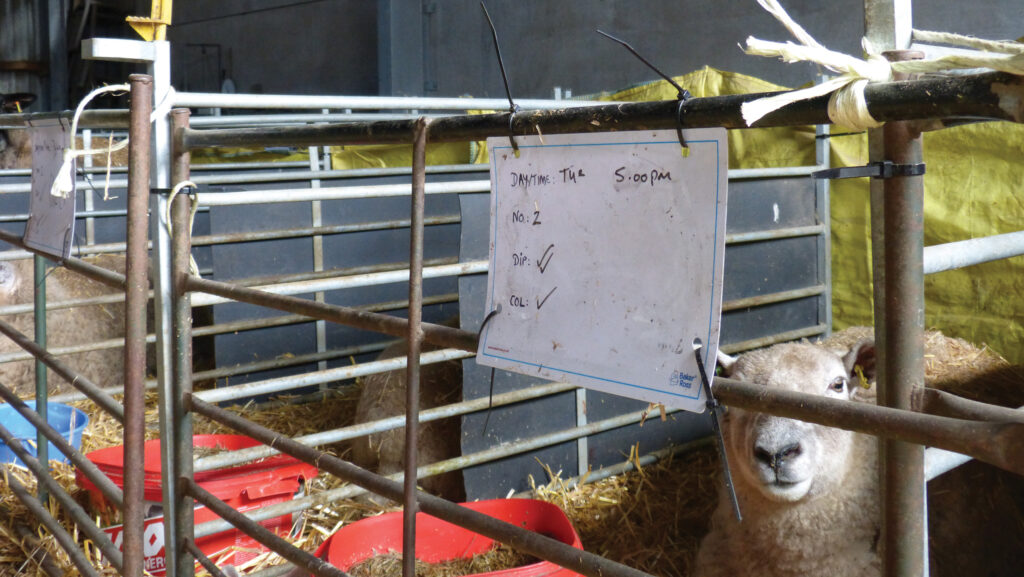
“I have one client who uses a whiteboard in the lambing shed, but they found it was demoralising after the first week if losses were adding up quickly, so they would transfer the data and wipe the board clean.
“Whatever you choose, you can’t manage what you don’t measure,” she adds.
She believes the best time to review lamb survival data is after lambing.
“But it is equally important to review that data and remind yourself of the actions before lambing starts, otherwise you may have a fog of blissful ignorance.”
Lamb loss targets
- Total: less than 14%
- From scanning to birth: less than 6%
- From birth to turnout: less than 6%
- After turnout: less than 2%
Source: AHDB
Advice for preventing lamb losses this season
1 Maintain body condition score
Feed has been challenging because of the weather, but farmers should aim to hold in-lamb ewes at their current body condition score (BCS) to avoid metabolic challenges.
“Over the past 12 months, we have gone from having little grass to a flush of grass this winter,” says Charlotte Mouland of Synergy Farm Health.
“Try not to let ewes get over-fat at lambing [target BCS 3-3.5 for lowland ewes].
“Most ewes will be mid-pregnancy, and at this stage, we want to be on a steady plateau rather than pulling weight off.”
2 Analyse forage and plan diets in good time
When forage is short, analysing it in good time will be vital to enable pre-lambing diets to be planned and feed purchased, if necessary, she says.
3 Ensure timely vaccinations
Clostridial and abortion vaccination shortages have impacted the sheep industry for the past few years.
“Don’t be discouraged. Alternative products are available to Heptavac.
“Speak to your vet and vaccinate ewes four to six weeks before lambing,” advises Charlotte.
“Meanwhile, all flocks should consider if they need to use a vaccine to cover infectious abortions in their flock replacements in good time before tupping.”
4 Book onto a refresher course
Many vet practices run lambing courses – Charlotte suggests attending, along with any lambers, to refresh their knowledge ahead of lambing.
“We run lamb post-mortem courses so farmers can make real-time decisions.
“For example, we can detect if lambs have died due to starvation and put farm protocols in place to ensure lambs are getting adequate colostrum,” she says.
5 Make sure lambs receive enough colostrum
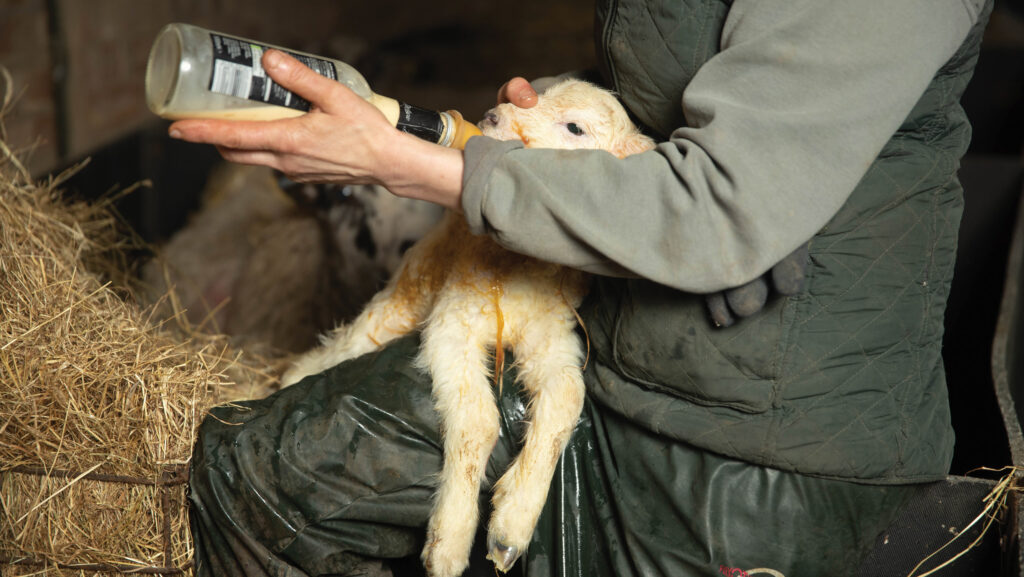
The aim should be to give lambs 20% of their bodyweight in high-quality colostrum within the first 24 hours of lambing (half of this should be fed within the first six hours), Charlotte recommends.
Ideally, colostrum should measure more than 26.5 on a Brix refractometer.
“It may not be practical to test every ewe, but if you are collecting colostrum, use a Brix refractometer.
“Ewe colostrum is superior to cow’s colostrum, and cow’s is superior to artificial stuff, so it should be fed in that order,” she advises.
When sourcing colostrum from a dairy farm, make sure it is from Johne’s low-risk animals.
Also establish the herd’s bovine viral diarrhoea status, because that can cross into sheep and cause Border disease, she warns.
“There is also a small risk that some cows are allergic to sheep and produce ‘anti-sheep’ antibodies, which can be passed into their colostrum.
“If fed to lambs, this can cause anaemia.
“Just feed one to two lambs before you feed more with cow’s milk in case it causes an allergic reaction,” advises Charlotte.