

How to minimise bacteria build-up in the lambing shed
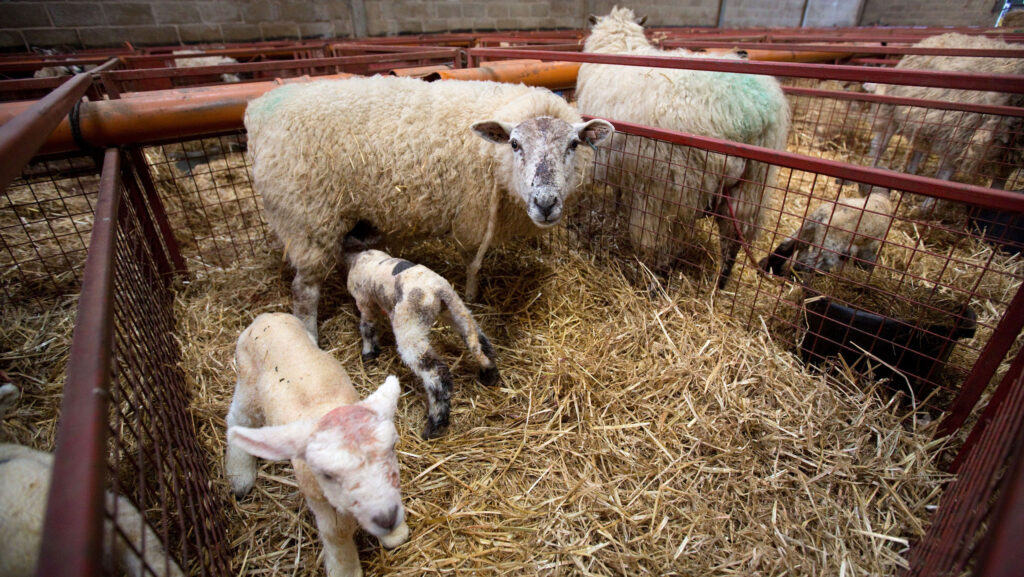 © Tim Scrivener
 A clean, dry floor in the lambing shed is a simple, essential step for a successful lambing season – and is best achieved when it is not left until the last minute.
“Don’t muck out just before lambing: do it well enough in advance that the shed has stood clean and dry and has had some sun on it, so it has already been exposed to UV light,” said vet and independent sheep consultant Fiona Lovatt.
See also: Practical advice on reducing lamb losses from joint ill
“Consider using lime under the bedding, as it raises the pH and is especially good at preventing bugs from surviving – but only if the bedding is clean and dry,” she advised.
“Don’t think you can have wet, mucky bedding, and lime will let you get away with it.”
Bedding management during lambing
Getting off to a clean start is all the more important because, as the lambing season progresses, conditions deteriorate and bugs will build up, added Fiona.
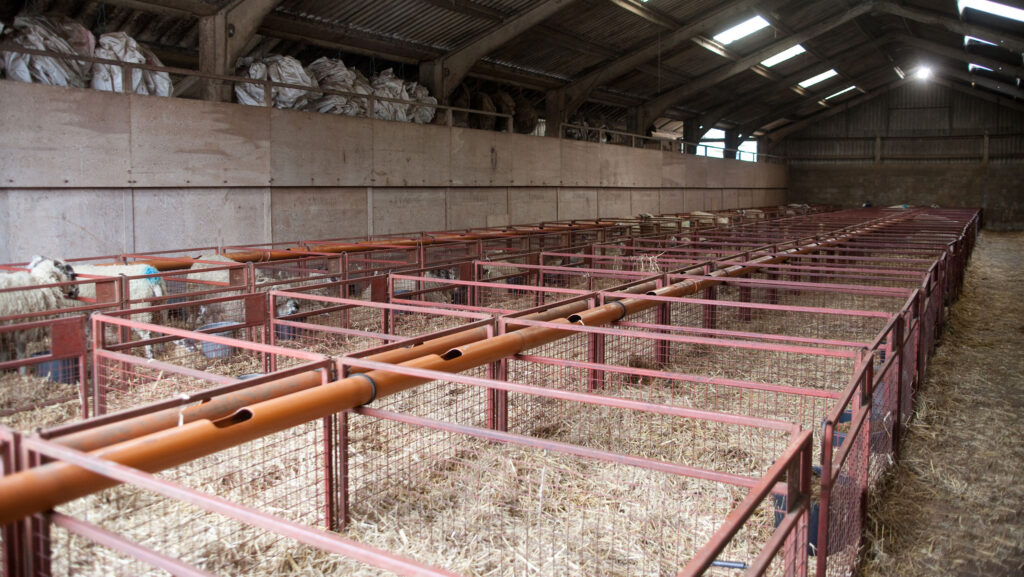
Best practice is to clear out individuals pen down to clean, dry concrete and re-bed.
“But if you get to a situation where you can’t clear out the bedding without getting to a really mucky level, you are better putting clean, dry bedding on top.
© Tim Scrivener
“It’s not ideal, but if you’re under pressure, [doing that] is better than getting down to a mucky, yucky layer and then putting a thin layer of straw on,” she said, adding that recent research suggests bugs survive less well in wood shavings than in straw.
Where cleaning out is possible during lambing, additional dressings of lime (with plenty of fresh bedding on top, as lime is caustic) will help manage bacterial load.
Tips to prevent problems at lambing source
- Sufficient shelter outside
- Clean, dry, draught-free inside
- Plenty of fresh bedding
- Turn out as soon as possible
- Maintain good standards of hygiene
- Clean and disinfect equipment
Less lameness and joint ill when using lime
Previous problems with lameness at housing have encouraged a rigorous approach to cleanliness in the lambing shed for Peter Moyes, farm manager at Thornby Farms, a mixed farm with sheep, beef and arable enterprises, near Northampton.
And preparations for lambing cannot start soon enough. That means straight after the previous season’s lambing.
However early planning begins, it is easy to run out of time and for things to get “a bit frantic” closer to lambing, he admitted.
The shed is mucked out, and floor, walls and equipment (such as panels for mothering pens) are pressure-washed and disinfected as soon as possible after lambing to remove bacteria.
A disinfectant powder is used before bedding down with straw.
Mothering pens are set up in good time and are mucked out, treated with disinfectant powder and given fresh straw between each use. Only then are ewes allowed in.
“Last year, we tried using some lime on the shed floor, putting it through a belt spreader on a tractor, but it ended up with everyone getting plastered. So, we used a forklift and a bucket and shovels to finish off,” said Peter.
“But we were really pleased with the results – the incidence of lameness was less, and we saw less joint ill in lambs.”
More space, less disease pressure
A closed flock of Innovis-cross ewes is gradually replacing Texel-cross and North Country Mules.
“Until we changed our system and closed the flock, we were lambing all our ewes inside for three weeks during March. Now, we lamb half inside in March and the other half outside in April,” explained Peter.
“It’s allowed us to halve the number of ewes indoors in the same shed space, in groups of 50 and we’ve reduced the amount of labour needed.”
Fiona Lovatt and Peter Moyes were speaking at an RASE Farm of the Future webinar on preparations for successful lambing.