

Why early weaning should be the exception, not the rule
 © Tim Scrivener
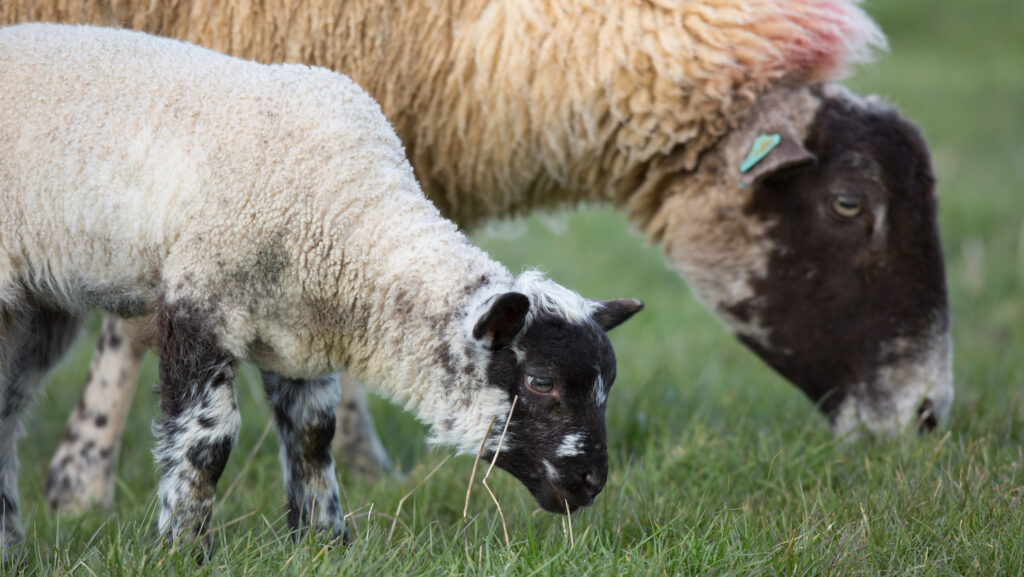
 Weaning lambs early may be a useful tool to manage poor ewe body condition, but it should be seen as an exception – not an annual event.
It risks setbacks in lamb growth rates because the rumen is not fully developed until about 10 weeks of age.
Early weaning for the sake of long-term ewe condition leads to a “vicious cycle” that knocks performance from the next crop of lambs as well, says Ed Hill, a vet-consultant with Ruminant Revival.
See also: Advice on lifting lamb weaning percentage
“Weaning is a balancing act based on ewe body condition score. But if you wean prior to 10 weeks, and lambs are not capable of full diet utilisation after milk is removed from their diet, you will see growth checks,” he explains.
Rumen development begins as lambs start to nibble grass at about three weeks of age. This stimulates the formation of rumen papillae.
Weaning naturally begins from three to six weeks of age, as grass intakes gradually replace milk, with lambs fully weaned at about 12-14 weeks (depending on breed type and diet).
“Weaning is also a stressful event, and it leads to a higher susceptibility to diseases – even when lambs have been vaccinated for pneumonia and clostridial diseases.
Where you might usually see a small number of post-weaning deaths – around 1-2% – you would get more from weaning too early,” says Ed.
Grazing plan
Where flocks are weaning ahead of time, he suggests it is an opportunity to reflect on the cause, then plan to make sure it does not happen the next year.
“Don’t accept it as inevitable. Plan grass management actively – don’t assume it will be the same as last year.
“Sit down with a grazing consultant and look at [how much feed] is in front of the flock and how many livestock it can support, then have a back-up plan for when grass stops growing,” he says.
© Tim Scrivener
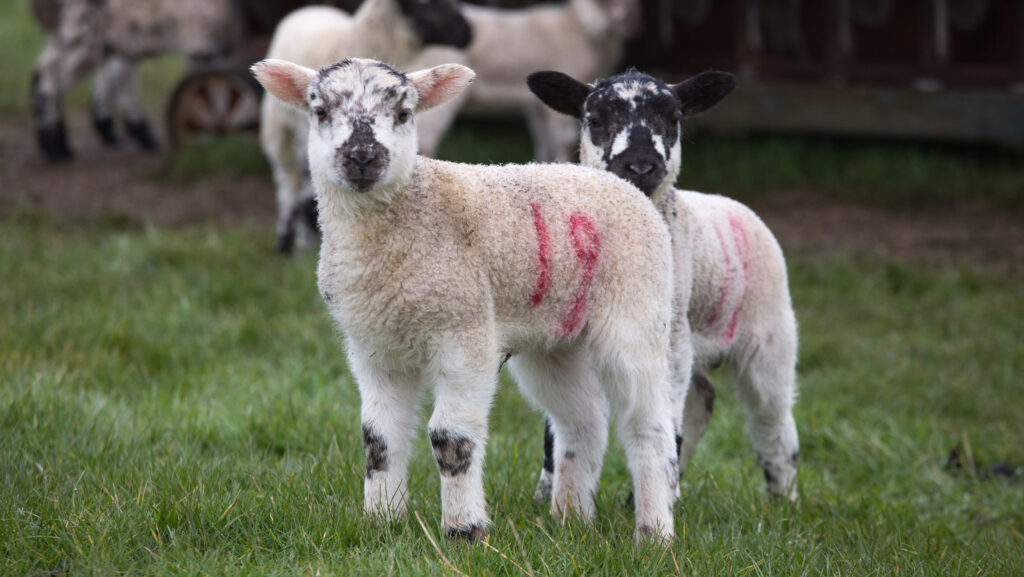
A lambing period of more than six weeks can also cause also lambs to be weaned below 10 weeks of age.
“You will get some lambs significantly younger than others at your weaning date. There might not be a spike in deaths, but the last born are the ones at higher risk of death,” he points out.
Tight lambing period
Ed also warns that younger lambs may not be in the correct age range for age-specific vaccinations, risking their effectiveness.
Depending on flock size and resources (such as staffing and space requirements), his advice is to tighten the lambing period, so that more than 80% of ewes lamb within the first three weeks.
Similarly, identifying ewes with late-born lambs and putting them into a separate management group can mitigate the risks.
“There will be less competition for feed and if you make this group the leaders in a grazing system, so they don’t follow older lambs, it keeps later-born lambs away from high-risk pastures with coccidiosis and high worm burdens.”
Low-stress weaning
Furthermore, weaning in a low-stress way will help curtail any post-weaning setbacks. Ideally, says Ed, lambs should be left in situ and the ewes removed.
By staying in their familiar field for up to a week (and in the same social groups), it reduces stress levels with no need for routine worming before lambs move to a fresh field.
As health planning is challenging without some basic data, he also suggests making notes for future reference.
“Keep a diary or send yourself WhatsApp notes. It doesn’t need to be complicated – record two or three simple things for a year and build on it,” he says.