

Benefits of annual testing for bull and ram fertility
 © Tim Scrivener
 In 2025, 28% of bulls tested at Friars Moor Livestock Health failed their bull breeding soundness examination.
By identifying and removing this cohort of subfertile bulls, ahead of them being used in suckler or dairy herds, the chances of a poor conception rate and subsequent high empty rate for block-calving systems, as well as a protracted calving period, were reduced.
See also: Lameness in beef cattle: Effect, causes and treatment
About the authors
Josephine Child and Helen Rogers are director vets at independent livestock vets Friars Moor Livestock Health.
Josephine specialises in sheep health and production medicine and Helen’s interests include bovine reproduction.
The benefits of carrying out a rigorous bull breeding soundness examination (BBSE) are undeniable, but the procedure must be carried out well in advance of the start of breeding season to allow time to retest and replace a subfertile bull.
As bull semen production takes 61 days, this should be at least two months prior to using the bull.
The length of the sperm production cycle is slightly shorter in rams (49-61 days); however, a target of testing rams two months prior to the start of the service period is equally sensible.
Testing procedure
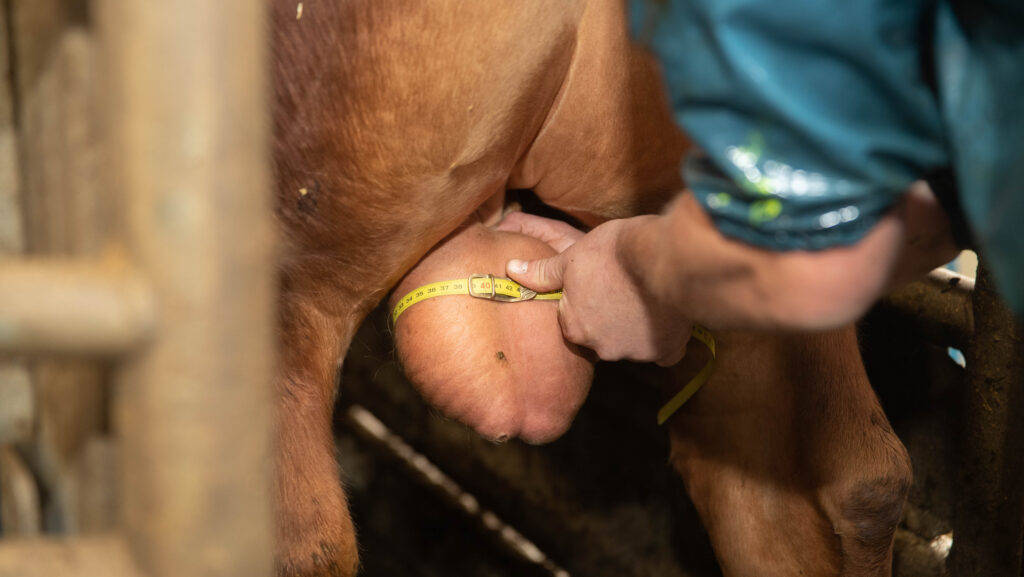
The procedure for both rams and bulls involves a physical examination of all areas required to serve a cow/ewe: eyes, musculoskeletal system, heart and lungs, as well as scrotum, penis, prepuce and internal sex glands.
In addition, a probe, inserted into the rectum, is used to stimulate the ejaculatory nerves and a semen sample is collected.
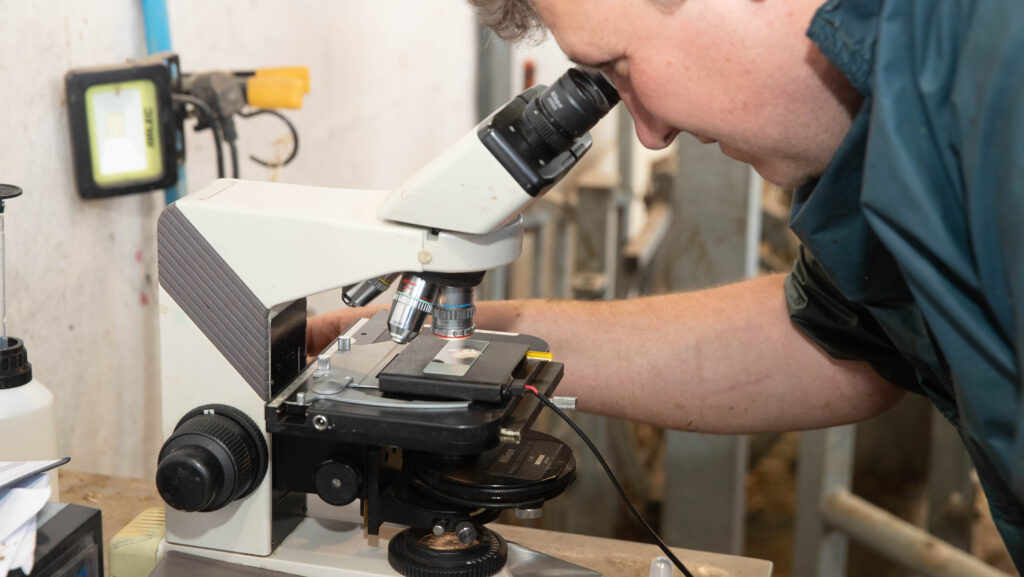
This is immediately analysed for motility (gross and forward) and morphology. There are specific targets to meet for each of these factors to allow the male to pass his exam.
© Tim Scrivener
Most BBSE exams by Friars Moor are now carried out in a foot trimmer crush.
Some subfertile bulls are identified as soon as their feet are inspected, as they are not viable to last the service period. Lameness is one of the most common causes of subfertility in breeding bulls and rams.
Results and action
Depending on the findings, the recommendation may be to cull and replace the bull immediately.
Alternatively, a retest may be booked to assess whether any improvement has occurred since the previous test, though this will only be possible if there is sufficient time left before the start of the service period.
All breeding males should be tested regardless of how well they have performed in previous years.
© Tim Scrivener
Beware of being lulled into a false sense of security just because the farm has calves and lambs on the ground this year.
Illness, fever or injury will influence sperm viability, and we are not always aware of these occurring in rams or bulls.
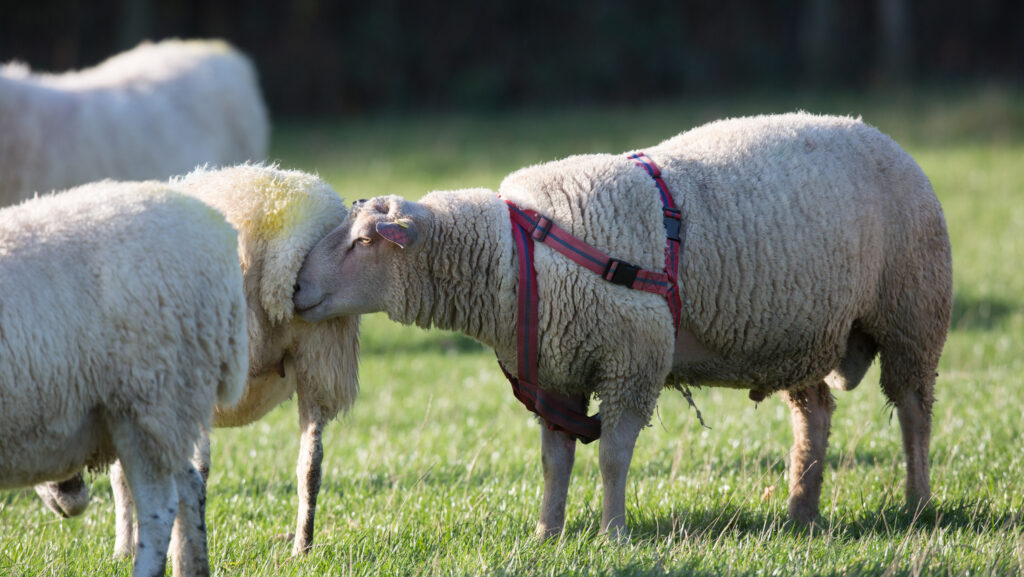
Rams are more commonly run as a team than bulls. We can use the ram data generated to advise on an optimal ram:ewe ratio for each male tested and support suboptimal rams by running them with prime rams.
To explore herd or flock fertility testing services, contact your farm vet.
Improved flock performance
On a Wiltshire estate, which runs 850 Mule-cross ewes, all the rams (Romney, Suffolk and Texel) in the flock have been semen tested prior to the mating season for the past four years.
On average, 30% of these rams are subfertile.
These less fertile ones are placed with two more fertile rams in a group mating setting. The shepherd says this gives him the confidence to single-sire mate elite groups of ewes.
It has also led to a tighter lambing period, with reduced returns in second and third cycles.
Over this time, the lambing percentage has increased across the flock by about 5%, and the barren rate for 2026 is just over 1%.