

Farmer Focus: All set for lambing and calving outdoors
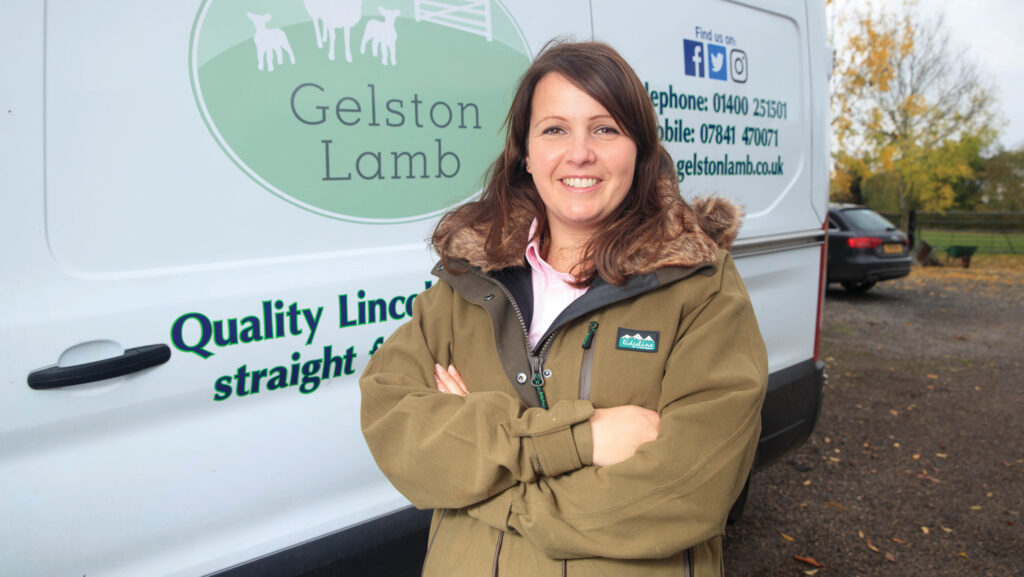 © Tim Scrivener
 Spring is on the horizon and the pace is certainly picking up here at Gelston Lamb.
The ewes that have been grazing forage rape throughout the winter have now all come back onto grass.
It’s always a welcome sign that the season is changing and lambing is just around the corner.
See also: Advice on planning for triplet lambs and options for rearing
About the author
This week, we’ll turn them out into their lambing paddocks, stocked at about five ewes to the acre.
They’ll remain in these paddocks until lambing is complete.
Once everything is lambed and strong enough, we’ll start mobbing fields together and move into a rotational grazing system, which helps us make the most of the grass.
This year, we’re lambing everything outdoors, apart from the singles.
The single-bearing ewes will be in the shed next to the triplet field so we can maximise the chances for adoptions if we need them.
Outdoor lambing has worked well for us previously and keeps things simpler, provided the weather behaves itself.
We spray numbers onto the ewes before lambing and log everything onto our reader as we tag and record lambs at birth.
We’ve looked into using management tags, but this system works well for us.
Recording lambs at birth means we can make sure we don’t double-tag ewe lambs whose mothers have had any lambing difficulties.
That way, we’re only bringing the best genetics back into the flock.
It’s been a slow process, but we’re now starting to see the benefits of breeding more of our own replacement ewes within the flock.
Selecting carefully and keeping good records is really starting to pay off in terms of consistency and performance.
The cattle aren’t far off calving either, so they’ll soon be heading out into the fields.
They calved outdoors last year, and it worked well, so we’re hoping for a repeat performance this spring without any hiccups.
That said, two of the cows are carrying twins, so they’ll be getting a slightly closer watch as calving approaches.
The butchery is also gearing up for one of its busiest periods.
With Easter fast approaching, demand for joints always increases, which means plenty going on behind the scenes.
As ever at this time of year, it’s a bit of a juggling act making sure we’ve got enough staff on hand to help see us through the busy weeks ahead.