

Farmer Focus: Benefits of clover starting to show
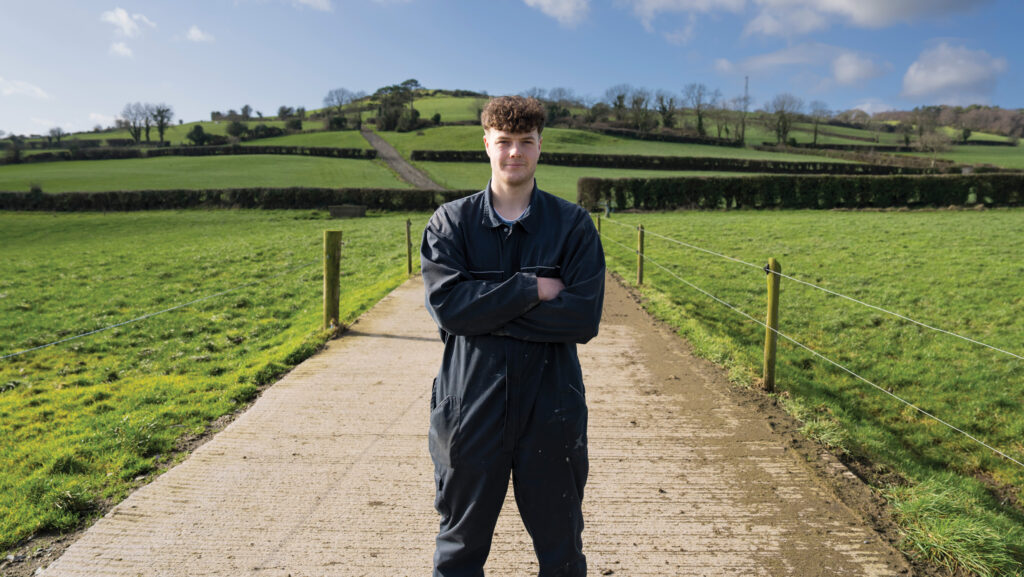 Ewan McCracken © Steffan Hill
 In my previous articles, I mentioned the importance of leaving the farmyard.
Whether that’s for a holiday, sports matches or more farming-related events, it is good that we have a release from everyday stresses and allow our minds to readjust away from cows.
At our latest discussion group meeting, we were asked by the guest speaker to consider what had gone well this season and what had not.
See also: Tips for establishing white clover in a sward
About the author

Starting with grazing management, as much as it pains our fellow grazers on the mainland, it has been a pretty good spring.
With the combination of rain and heat in the past few weeks, grass growth has quickly risen above demand per hectare on most of the platform, exceeding 100kg dry matter (DM)/ha on many paddocks.
This growth has allowed us to start to draw back the total fertiliser we put on the platform.
Surely we should be maintaining our rates to match the demand curve?
On the back of the pandemic, when fertiliser prices soared above £1,000/t, we either had to adapt our grazing management strategies or continue paying these unsustainable prices.
In spring of “clover year one”, we stitched in white clover on 12ha (30 acres).
Getting it established in the sward involved tighter post-grazings and shorter platform rotations, matched with reduced nitrogen rates over the year.
Now, with almost 24ha (60 acres) reseeded or stitched in with clover, we can start to see the quantifiable benefits.
For example, using our Agrinet figures, the highest yielding clover paddock outperformed the highest yielding perennial ryegrass (PRG) field by more than 1t DM/ha, with 100kg/ha less nitrogen fertiliser.
With growths as good as they have been over the PRG heading dates, we can strategically bale fields that have surpassed acceptable grazing heights.
This eliminates the need to top fields a second time, reducing diesel consumption and increasing utilisation.
Surplus grass on the platform has also allowed us to reduce grazing stress from forcing cows to eat stemmy, headed swards, caused by five weeks of dry weather in May.
This has improved milk quality, maintained volume and, most importantly, maintains a stable, high-energy diet for the breeding season.
As we are only five weeks in, it’s too early to see any effects of this year’s grass on fertility, but with a three-week submission rate of 99%, it is probably my artificial insemination technique that is the limiting factor.