

Farmer Focus: Losses frustrating in a kind spring for lambing
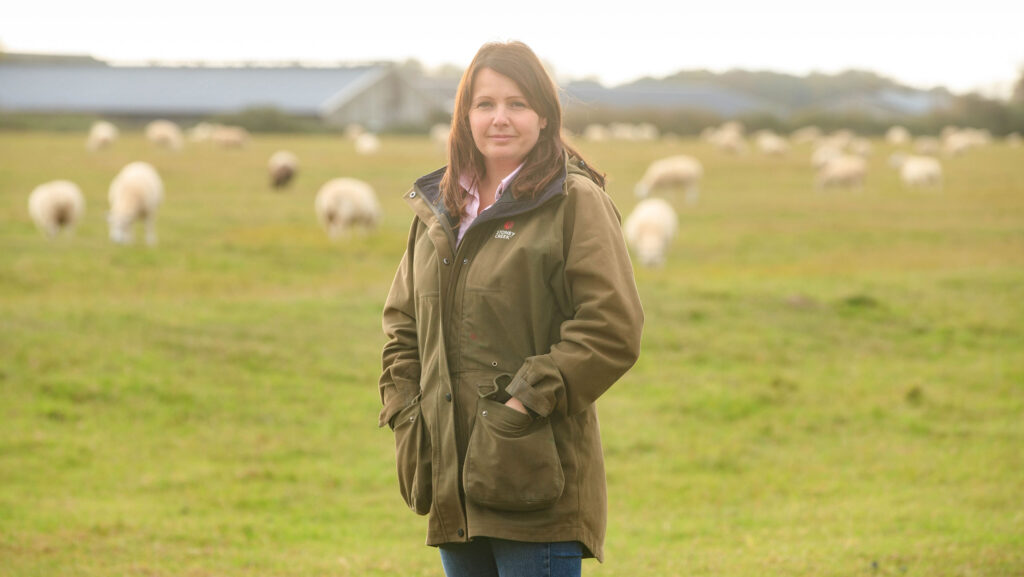 Louise Elkington © Tim Scrivener
 We are nearly at the end of lambing, with only a few stragglers left. Overall, the weather has been kind, which has certainly helped. That said, the season hasn’t been without its challenges.
See also: How mineral blood test helps cut barren rates in Highlands flock
About the author

We’ve lost more ewes to prolapses this year, which we’ve put down to them being in too good a condition. That feels ironic, given how concerned we were at tupping after such a dry summer.
Despite regular checks in the run-up to lambing, we were still finding cases overnight, which is frustrating.
We’ve also had more lambs than expected that looked like they should have been born alive.
With a higher scanning percentage, you do anticipate slightly higher losses, especially as we lamb both flocks outdoors, but it still feels like too many.
Blood tests came back clear for toxoplasmosis and enzootic abortion, but trace element testing once again highlighted low iodine levels as a likely issue.
This has been a recurring problem for us. We bolused pre-tupping and again pre-lambing, so it’s disappointing that it doesn’t seem to have been enough.
We’re now working closely with our vet to establish whether this could be a bolus issue.
I’ll calculate the exact loss percentages once we’re finished. It often feels worse in the thick of lambing than it does on paper, particularly as we have lambed everything in one block.
On a positive note, the ewes and lambs are looking well. There’s still a good bite of grass ahead of them, although we could do with some rain soon.
Milk supply is strong, which reflects the quality of grazing (cover crops) leading up to lambing.
We may consider taking ewes off cover crops slightly earlier next year to reduce prolapse risk, but it’s a fine balance to strike when good nutrition drives such strong milk yields.
The cows are now back out at grass and are bagging up nicely, so calving won’t be far off.
Away from the fields, it’s been incredibly busy in the butchery, with a phenomenal amount of meat sold directly from the farm.
The challenge now is maintaining that momentum and encouraging customers to buy year-round, not just at peak times.
You do question sometimes whether it would be simpler to sell stock dead rather than direct. If only we had a crystal ball to know where the market is heading.