

Farmer Focus: Relief as scan percentage up despite drought
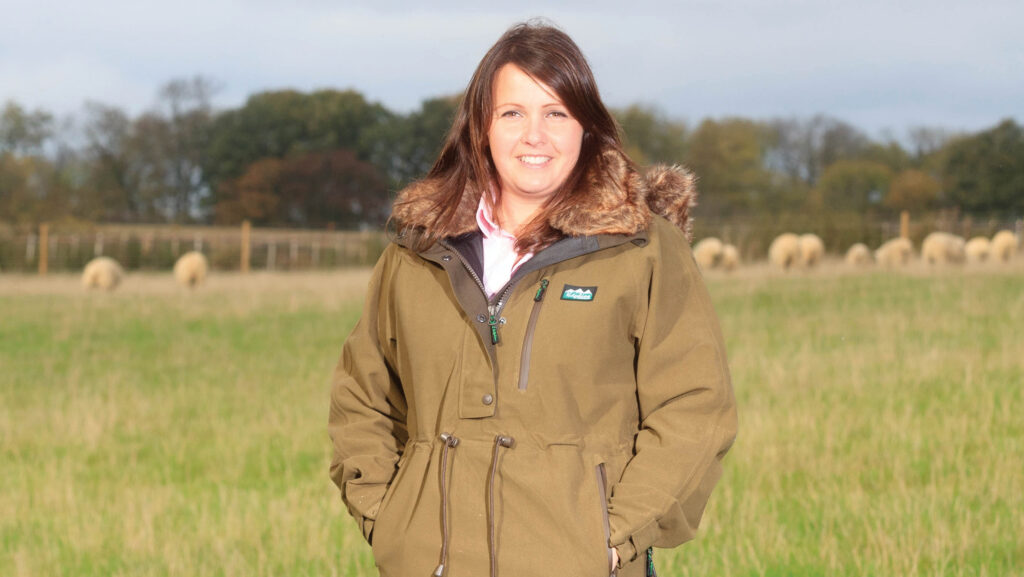 Louise Elkington © Tim Scrivener
 Lambing looms – and this year, the scans tell a better story.
After such a dry summer, and with plenty of reports of flocks scanning lower than normal, expectations were cautious at best.
See also: How recording lamb losses led to better flock performance
About the author
Our biggest concern was the A-flock. These ewes lambed outside in April last year and, going into tupping, they weren’t in the condition we would have liked.
Ideally, we’d have preferred to rely on grass alone, but this time that wasn’t an option.
So, before the tups went in, we made the decision to feed them. It was an added cost and time-consuming, but needed to be done.
In contrast, the B-flock, which lambed indoors last year and will lamb three weeks later this spring, were in good condition heading into tupping, so we didn’t feed them.
Both flocks went onto a small flush of grass for tupping, and we believe this made a huge difference.
The A-flock scanned at 187% and the B-flock at 185%. To put that into perspective, last year the A-flock only scanned at 161%, so this is a big improvement.
The B-flock is partly made up of shearling ewes, which in previous years have been a challenge when it comes to scanning.
Last year, they only managed 145%. In addition, as ewe lambs, they were kept on cover crops through the winter rather than grass.
They scanned at 190%, so that was a huge relief.
Twinning rates could be slightly better, sitting at around 60%, but overall the scans feel ideal for outdoor lambing.
Over the years, we’ve had our fair share of disappointing scans, caused by a range of issues including iodine deficiency and toxoplasmosis.
That makes this year’s results feel even more satisfying, especially given the challenges thrown up by the weather.
That said, scanning percentages on their own don’t tell the full story. There’s often a lot of noise around scans of 200% and above, but far less discussion about rearing percentages which, ultimately, are what really matter.
You can scan high and still end up with fewer lambs to sell if mortality at lambing is high.
For us, the perfect scan is one between 180% and 190%. It gives us confidence heading into lambing without pushing the system too hard.
After a tricky year, it’s reassuring to know that careful management decisions, even when they come with extra cost and effort, can still deliver the right results.