

Farmer Focus: Review and reset ahead of spring calving
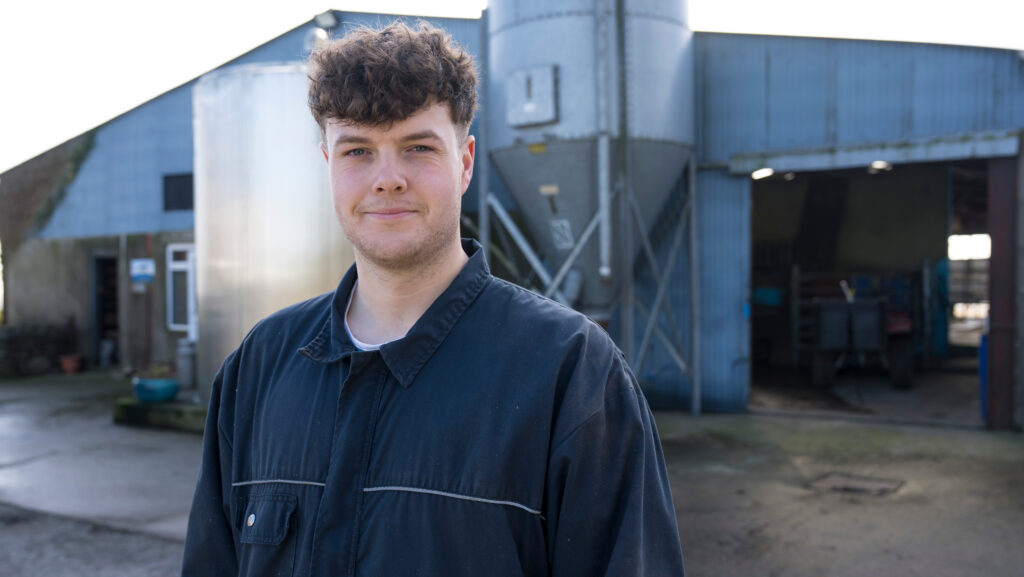 Ewen McCracken © Steffan Hill
 Whether you are autumn or spring block-calving, the “dry” period in the calendar is not only a time of rest in preparation for the year ahead, it is also an opportunity to reflect on the season past.
What did we succeed in? What were our downfalls? How can we improve?
Using KPIs from our herd, forage and comparable farm profit data, we can make informed decisions in a number of areas including culling, reseeding, fertiliser or purchased feed.
See also: How to reduce mastitis ahead of spring calving
About the author

To start with, where did the farm succeed? Milk quality is one area where we have seen a steady improvement, with a rolling 12-month incremental increase in both fat and protein, from 4.72% to 4.84%, and 3.75% to 3.8%, respectively.
Milk solids a cow have increased by 20kg to 524kg/year.
Just under a month ago, we fully dried off the herd. With a couple of extra helpers, we were able to seal all 200 cows in just under eight hours using selective dry cow therapy (is this a record?).
Using a third-party company to analyse each cow’s annual cell count pattern, we can categorise the herd into three groups: chronic, acute and uninfected, with the cut-off for using only teat sealant being a somatic cell count of 170,000 cells/ml and/or with recent infections.
As only one-quarter of the herd was treated with antibiotics, we can say this is a success for udder health, with many mastitis cases during the year recovering after treatment and not repeating.
Other noticeable areas of success were in grassland management.
If we look at our historical records, it has been nearly 10 years since we last hit average annual grass tonnages of 11.6t dry matter(DM)/ha across the milking platform.
Excellent growing conditions in 2025 combined with improved soil fertility and reseeds have more than doubled the number of paddocks growing more than 12t DM/ha a year, compared with the past five years.
Despite the season’s largely positive outcomes, not everything went as planned.
On herd fertility, we need to restructure our heifer mating management by changing the current fixed-time artificial insemination protocol.
With an annual average first service conception rate of less than 45%, a more tailored programme involving collars and natural heats will need to be considered.
With the first heifers set to calf in just over six weeks, preparations are well under way with vaccinating, mineral bolusing, hoof paring and plenty of power hosing.