

Farmer Focus: Scan result good but straw tight for lambing
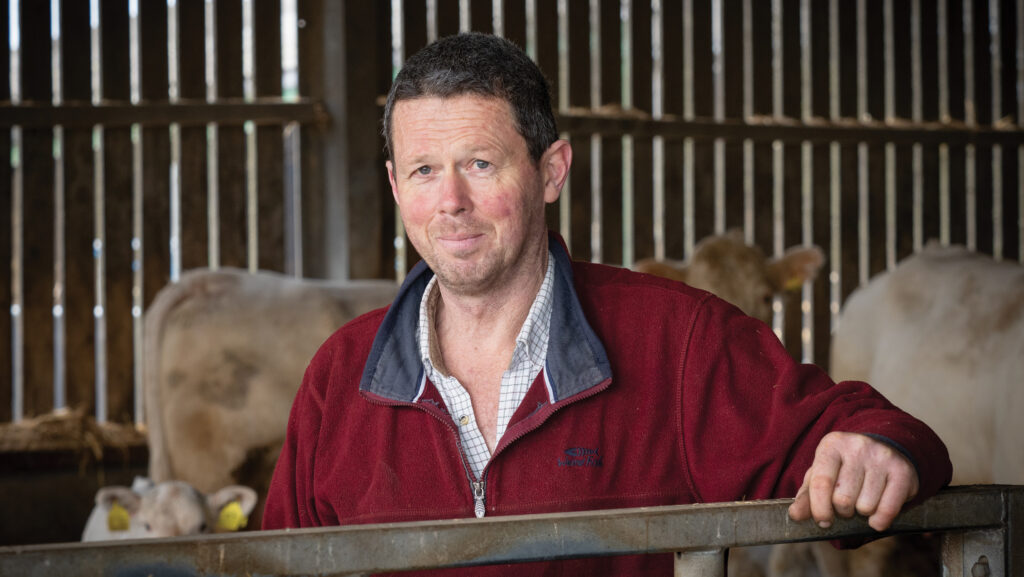 James Kimber © Kathy Horniblow
 Every year l look forward to scanning day. This year, the earlies were a little disappointing, while the main flock is a little over the top.
With 10% ewe lambs included, they have scanned at 209% (ewes 215%). This gives us a really good potential crop.
See also: Practical advice on reducing lamb losses from joint ill
About the author

Now the prep: we always set protocols to maximise live lambs.
The triplets and twin-bearing ewe lambs were housed straight away and we are blood testing this week for protein and energy levels after three weeks of stable nutrition.
The silage has loads of energy but is short of protein, so we are stepping up the high-protein soya to 350g/day at two weeks pre-lambing.
Even with the inevitable losses, we are setting up for a lot of spare lambs. The plan is to suckle colostrum from the ewe and lift the lamb straight onto a milk machine.
Experience of triplets left on is not good: we always had a skinny ewe and at least one poor lamb.
Although powder rearing is expensive, I am fairly confident it will be more economic.
We had to house another group that were in a wetter field of turnips when utilisation became impossible in the rain.
We left about 10% of the turnips in the field, but it’ll give some organic matter for the following arable crop.
Having to now purchase straw after running out it is a bit painful with increasing prices.
I thought there was a bit more about and the price would be OK, but I got that wrong big time, so we are looking at alternatives.
Using wood shavings in the lambing pens is one option, though there seems to be limited information on how much to use and any disease pressure like joint ill and E coli.
We are experimenting on another farm with home-produced woodchip under suckler cows.
Although early, they seem clean, dry and content.
The manure will be mixed this year with silt cleaning and rejected haylage bales to produce a compost-type material for surface-dressing grassland next year.
Results from the season’s first pregnancy diagnosis session with the cows were eight out of 12 in-calf, one inconclusive and three gone quiet.
I had served these three on first observed heat after calving to try to tighten up.
The vet told me that can often result in non-pregnant quiet cows, and therefore recommends service on second observed heat.