

Farmer Focus: Two-flock solution to maedi visna under way
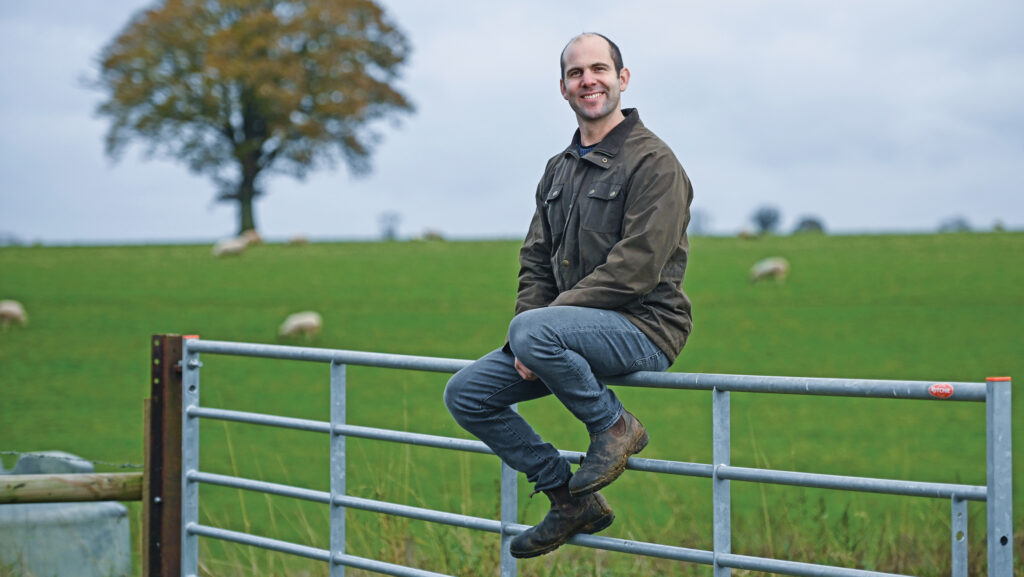 Dan Phillips © Richard Swingler
 This is my first article of 2026 and so far all we have had is rain.
The ground is totally waterlogged, and store lambs are spending more time on the grass run-back than the turnips themselves.
I can’t blame them, with even the quad bike finding it difficult under foot. The heavy snow in January was a welcome change of sorts.
See also: Maedi visna outbreak leads to soul-destroying 4,000-ewe cull
About the author

The breeding ewes are faring much better, having been brought in at the turn of the year. Scanning went well, with probably the best results we have ever recorded.
The 195% was good, but it was the fact there were so few triplets, singles and barrens that made it even more pleasing.
We are now in the middle of bolusing and dagging them, ready for lambing.
Two years ago, we were seeing a higher than usual mortality and loss of condition in the older ewes.
They were often decent enough in autumn pre-tupping, but would then go downhill during the winter, and it was a real struggle to maintain condition going into lambing.
We called the vets in to do blood samples on some of the thinner ewes, and it was a sobering moment when the results came back positive for maedi visna (MV).
Out of the six tested, five were positive, showing just how prevalent it was.
So, after a lot of research, conversations with vets, discussions within the family and a bit of soul searching, we decided to continue with the breeding ewes.
However, not wanting to carry on as we were and simply expose the young ewes to the virus as they were brought into the flock, we opted to start a new flock.
Two years into the process, we have one flock with 340 young (hopefully uninfected) ewes, and another with 240 older ewes.
The logistics in keeping the two flocks totally separate has, at times, made life quite difficult.
But having utilised shed space differently, we have been able to house and lamb the ewes in different parts of the farm, then turn out ewes and lambs to separate holdings.
So far, having done annual blood tests, the young flock is clean. In two years’ time, I hope to have totally replaced the infected flock and, fingers crossed, we will remain MV-free.
It hasn’t been the easiest route to take, but the recent indications mean it feels worthwhile.