

Moorland grazed sheep produce fewer emissions study finds
 © Adobe Stock
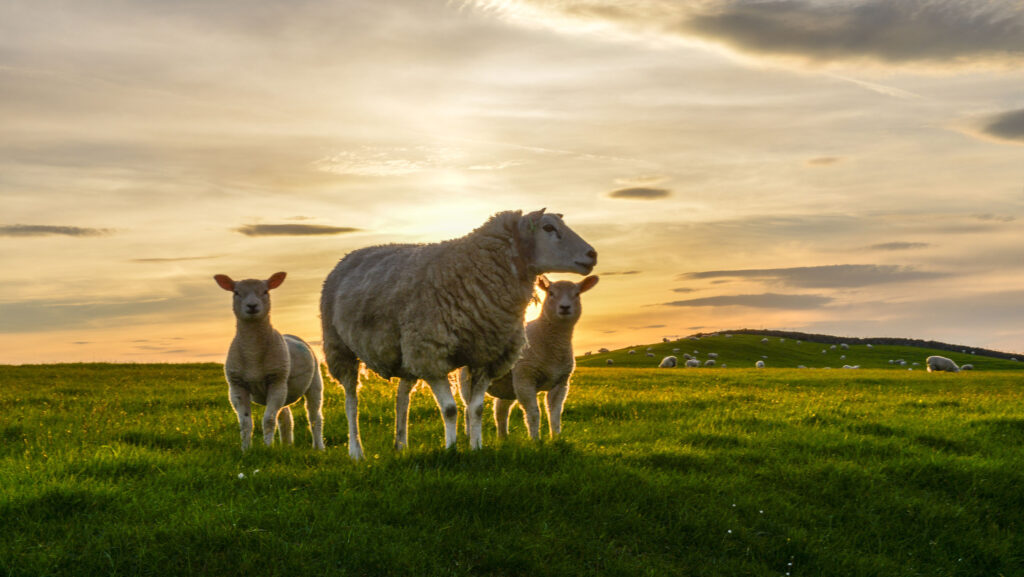
 Sheep grazing on moorland in the Yorkshire Dales emit lower levels of both methane and carbon dioxide than those grazing improved grassland lower down in the valley, according to a new study.
Supported by the National Sheep Association (NSA) and Innovate UK funded, the Forage for Ch4nge project brought farmers and scientists together to study how forage type, landscape, and traditional sheep breeds affect the environmental footprint of upland sheep farming.
Results showed that sheep grazing on unimproved moorland forage produced significantly lower methane and carbon dioxide emissions than those grazing improved (treated, seeded and/or fertilised) or herb-rich grassland.
See also: 40-50% difference in lamb methane emissions, project shows
It measured greenhouse gas emissions from a total of 120 sheep, including 60 Swaledale ewes and 60 Texel-cross ewes grazing various forage types in the Yorkshire Dales national park.
Lead farmer involved in the work, Adrian Thornton-Berry, said the project shows how native breeds can help deliver environmental benefits while supporting viable farming businesses.
“By working with native breeds like the Swaledale, we can farm these sensitive landscapes in a way that protects them for future generations,” he said.
NSA policy manager Michael Priestley added: “The sheep sector has committed to reaching net zero by 2040, and reducing methane will be part of that journey, alongside improvements in genetics, nutrition, flock health, efficiency and reduced reliance on fossil fuels.”
He added that sheep farmers already play a vital role in managing the uplands, supporting biodiversity and producing highly nutritious food, and this research helps demonstrate how those roles can go hand in hand.
Sheep monitoring
Methane and carbon dioxide emissions were measured with mobile portable accumulation chambers at a Leyburn farm, North Yorkshire, monitoring individual sheep for 50 minutes under controlled, low-stress conditions.
Liveweight and body condition score were also recorded to support accurate comparisons, before the sheep were returned to grazing.
The study found that native Swaledale ewes produced less methane overall than Texel-cross ewes, largely due to their smaller body size.
When methane emissions were adjusted for liveweight, there was little difference between the two breeds.
However, sheep of both breeds produced more methane per day when grazing improved grassland than when grazing herb-rich grassland or moorland forage.
Forage types
The three forage types studied reflected typical upland systems, including improved grassland which consisted of fertilised and reseeded ryegrass leys designed to maximise yield.
Herb-rich grassland was unimproved pasture that had received no fertiliser or farmyard manure for more than 30 years, while moorland forage comprised unimproved rough grazing including heather, bilberry and other upland shrubs on higher ground.
The research also emphasises the broader climate benefits of upland landscapes.
Soils in well-aerated moorland and upland grasslands can serve as methane sinks, creating optimal conditions for methanotrophic bacteria to degrade methane in the soil.
Explore more / Transition
During the series we follow our group of 16 Transition Farmers through the challenges and opportunities as they seek to improve their farm businesses.
Transition is an independent editorial initiative supported by our UK-wide network of partners, who have made it possible to bring you this series.
Visit the Transition content hub to find out more.
