

Poultry housing order to be lifted in England and Wales
 © Adobe Stock
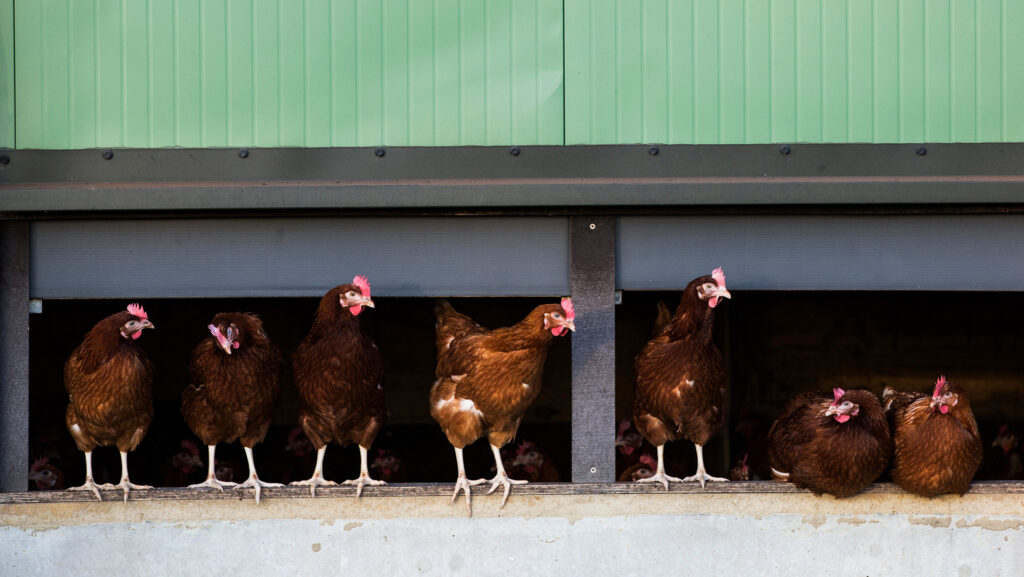
 Free-range poultry producers are being urged to start preparing now for their birds’ impending return to the big outdoors, with Defra signalling an end to the mandatory housing order in England and Wales next Thursday (9 April).
The change of policy follows a period of declining incidence of avian influenza in both wild birds and domestic flocks, with the Animal and Plant Health Agency saying the risk is now much reduced.
See also: How drying poultry manure can deliver for the bottom line
Free-range birds were first ordered inside in England on 6 November 2025, with Wales taking the same measure a week later.
While popholes for laying hens (and barn doors for other free-range poultry) may reopen next Thursday morning, producers located in an ongoing bird flu protection zone or a captive bird (monitoring) controlled zone must still keep their stock shut in.
Risk remains
Deputy UK chief vet Jorge Martin-Almagro said: “Although the risk to poultry has reduced, there remains a risk that poultry and other captive birds can still contract bird flu.
“It is still essential that birdkeepers remain vigilant and implement rigorous and strict biosecurity.”
British Free Range Egg Producers Association (Bfrepa) head of strategy Gary Ford also urged caution.
“While the news of reducing risk levels in wild birds and commercial poultry is welcome, there is concern that the housing order is being lifted so early in April,” he said.
While the risk of bird flu is likely to persist for several weeks “or even months”, this could be reduced by preparing the range properly in advance, he added.
Actions for birdkeepers
Bfrepa makes the following recommendations:
- Make the range less attractive to wild birds
- Drain nearby ponds and standing water where possible, or cover with nests
- Fence off wet or boggy areas so poultry cannot access potentially contaminated ground
- Remove any feed sources that may attract wild birds, including spilled grain
- Deter wild birds by regularly walking the range and using visual bird scarers
- Reduce contamination by cleaning and disinfecting concrete or hard surfaces
- Considering targeted disinfection of heavily contaminated areas
- Apply woodchip or shavings in wet areas
- Harrow the ground to break up droppings and expose them to drying and sunlight
- Limit access to the range to essential personnel only
- Ensure anyone entering has no contact with other poultry
- Provide dedicated clothing and footwear for use on-site
- Use foot dips at entry and exit points
- Store feed, bedding and equipment under cover to prevent contamination
- Do not share equipment between different flocks.