Ultimate guide to buying a telehandler 2026
Rising machinery costs remains the dominant theme in the latest Ultimate Guide for telehandlers.
Overall, compact machines have increased in price by between £1,000 and £4,000, with larger rises on bigger and higher-spec variants.
While buyers may need deeper pockets to reinvest this year, there are also plenty of new models and specification upgrades to persuade them to part with their cash.
We round up the most eye-catching changes.
See also: On test: Merlo TF30.7; small frame, pokey hydraulics
Avant
Avant’s 2026 update is modest, with the sole addition a new higher-capacity electric model, and small increases in price across the range.
The new e727 expands the firm’s electric offering into a higher lift capacity bracket, with a maximum load of 1.4t.
It sits above the existing e513 and e527 models, giving potential buyers an electric machine more suitable for farm use.
Download the full 2026 telehandler listings
Ultimate guide to buying a telehandler 2026 (opens as PDF)
Claas
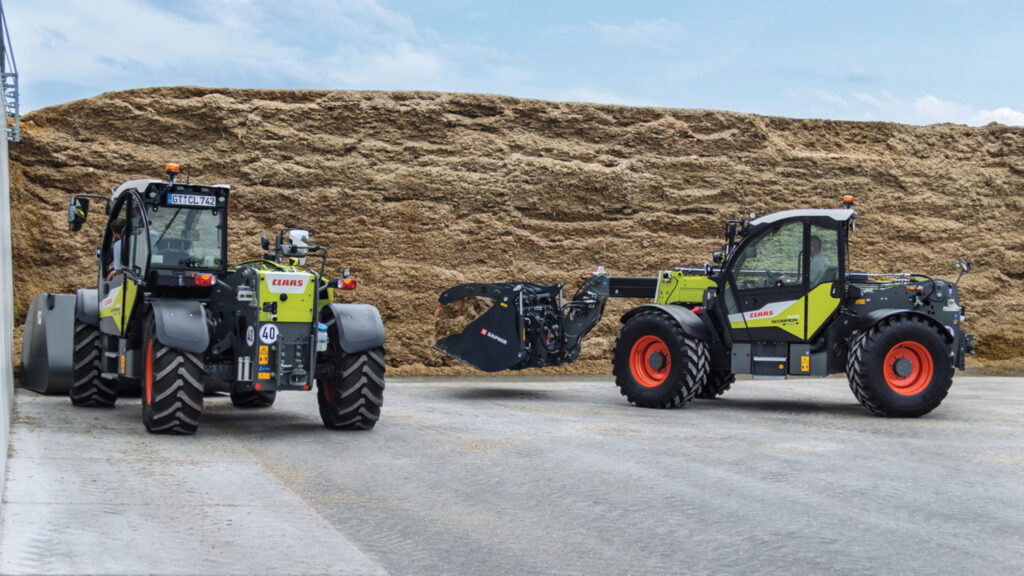
© Claas
German manufacturer Claas is offering higher specifications across its Scorpion range.
Pro versions of each model now come with a pick-up hitch, belly plate, and rear service and braking systems as standard.
There is also a new cab on all small-chassis machines, including the 638, 733, 738, 742 and 1033, designed to improve operator comfort and visibility.
Dieci
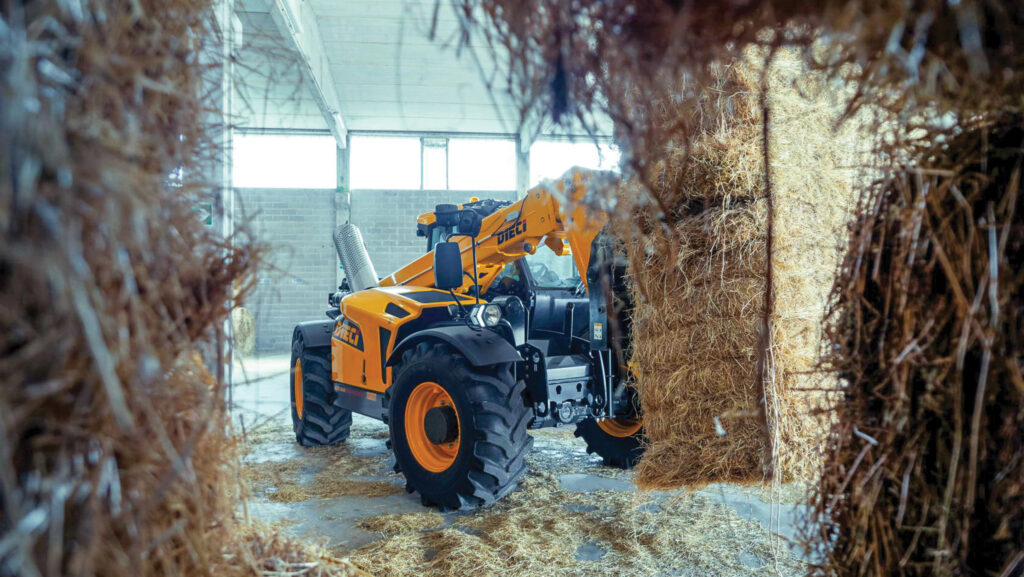
Agri Max 75.10 Evo GD © Dieci
Dieci has strengthened its mid and top ranges with the introduction of the Agri Star 40.8 GD and Agri Max 75.10 Evo GD.
The Agri Star is aimed at operators needing a balance of power and agility in confined yard environments, with a single-speed hydrostatic transmission for smooth, stepless drive.
A central electronic control unit manages all machine functions; the single-lever joystick allowing simultaneous operation of travel and boom movements.
In contrast, the larger Agri Max is designed for heavier applications.
It features a two-speed hydrostatic transmission, offering controlled low-speed operation alongside a top speed of 40kph for road work.
Both machines benefit from reinforced high-strength steel booms and chassis for durability, while Dieci’s Zero Shock System helps reduce oscillations and improve stability, particularly when travelling over rough ground or working at maximum lift height.
Operator comfort has also been prioritised, with the pair featuring a redesigned cab developed with Giugiaro Design.
This brings improved visibility, more space and updated controls, alongside options such as LED lighting and camera systems.
The Agri Star 40.8 GD is listed at £82,900 and the Agri Max 75.10 Evo 2 GD starts at £104,000, reflecting its greater maximum lift height, higher-capacity design and heavier duty specification.
JCB
JCB has reintroduced its Teleskid 3TS-8T compact tracked loader to the market after a period of absence, following updates to meet Stage 5 emissions requirements.
Like its wheeled counterpart, the 3TS-8W, the machine remains unique in its class, combining a single lift arm with a telescopic boom.
This design allows easier and safer side access to the cab, while also offering greater load placement flexibility than conventional compact loaders.
The telescopic boom provides a significant increase in reach, with a maximum dump height of just over 4m, compared with around 2.3m on a standard non-telescopic machine such as the JCB 270T.
Updates to the latest version also include revisions to cab controls and instrumentation, aimed at improving operator usability.
Priced at £106,043, the tracked model carries a premium of more than £20,000 over the wheeled derivative, reflecting its added versatility and specification.
Elsewhere in the JCB line-up, there have been changes to boom suspension pricing.
On some machines, such as the TM110 compact pivot-steer telescopic wheel loader, the former is now included as standard, having previously cost £2,176.
However, with a list price of £57,809, overall machine costs have still increased compared with 2025.
Manitou
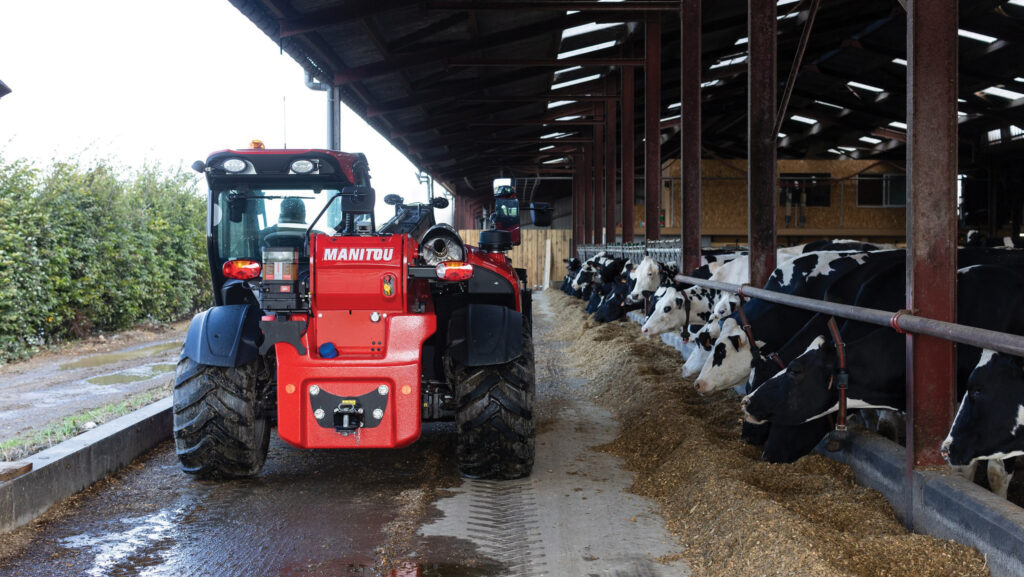
© Manitou
Manitou’s 2026 updates centre on a new telescopic boom design introduced across its NewAg range, delivering increased lift capacities and improved stability at maximum lift height.
This underpins the replacement of the MLT 741 with the MLT 742, alongside the introduction of the MLT 738.
Mid-range machines see maximum lift capacity increase from 3.7t and 4.1t to 3.8t and 4.2t.
Gains are most noticeable at full height, with the MLT 742 lifting 3.5t to 7m (up from 3t), and the MLT 738 managing 3t (up from 2.7t).
The new boom design also enables features such as full auto greasing across the chassis and boom head, helping reduce maintenance time.
Meanwhile, Manitou has expanded availability of its Platinum specification, which bundles higher comfort, improved lighting and enhanced visibility.
Features include an air suspension seat, additional LED work lights and camera systems covering rear, side and boom views.
Opting for the Platinum package adds roughly 10-13% to list price compared with Premium specification – typically £15,000-£18,000.
Massey Ferguson
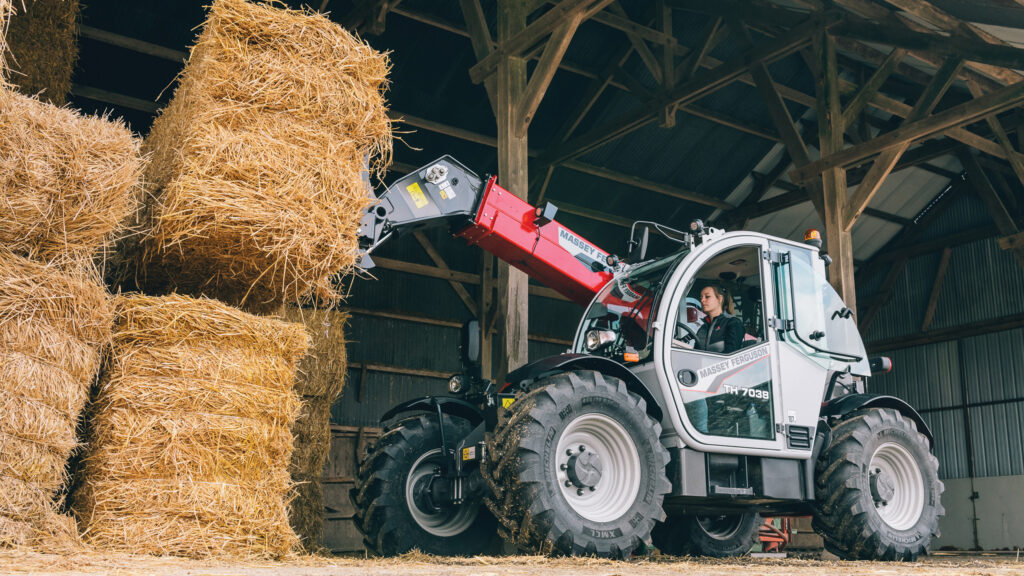
© Massey Ferguson
Massey Ferguson’s telehandler range has been simplified, with greater emphasis on transmission choice and operator comfort.
Lower-spec versions of the TH.8043 have been dropped, leaving the model available in Exclusive specification only, with the option of a two-range continuously variable transmission (Dyna-CT) in the TH.8043 Exclusive DCT.
This drivetrain is also now available across a wider portion of the range, including the TH.6534 and TH.7038 in Efficient and Exclusive guise.
Headline performance figures, including maximum lift capacity and maximum lift height, remain broadly unchanged.
MultiOne
© MultiOne
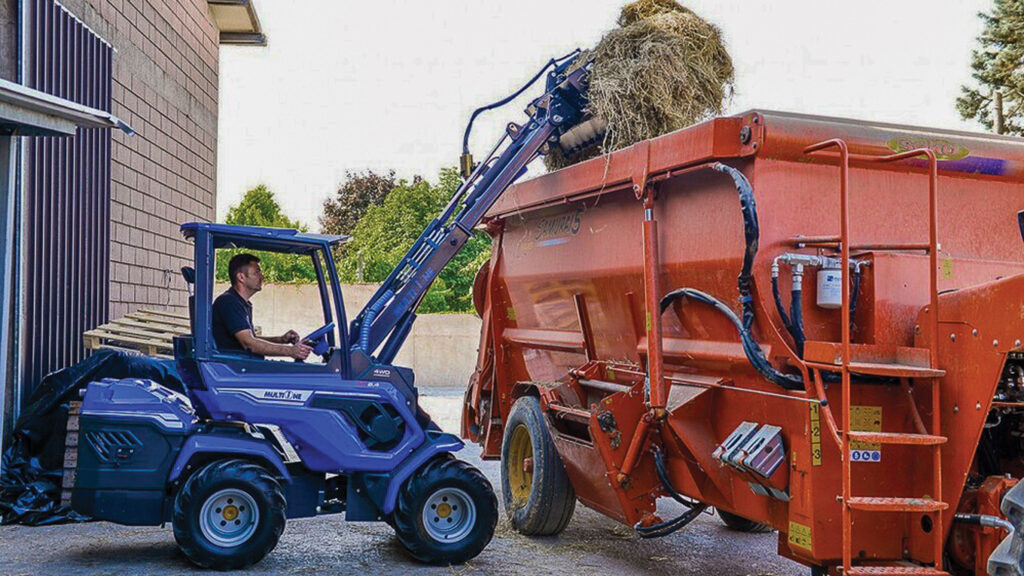
MultiOne’s 2026 line-up marks a significant shift, moving away from older “K” models towards a new generation of iD and TurboS variants, including the 5.2K iD, 5.3K iD and 8.4 TurboS.
These updates bring improvements in hydraulic performance, drive systems and overall efficiency.
At the top end of the range, models such as the 11.6K and 11.9K are now offered in TurboS form, with higher power outputs and increased hydraulic flow.
The company has also expanded its EZ electric offering with the addition of Long Range versions, which bring increased battery capacity and extended runtime for day-to-day farm and estate use.
Schaffer
German manufacturer Schaffer has introduced its new T-3 generation, with the 8620 T-3 standing out as the most significant addition.
Positioned in the middle of the range, it replaces earlier T-2 models and represents a step forward in specification and usability.
Maximum lift capacity remains around 4.2t, but buyers can specify a higher-capacity 172 litres/min hydraulic system for improved responsiveness.
The model also features Schaffer’s latest Comfort Cab Plus, a 10in touchscreen display, revised joystick controls and selectable hydraulic response settings.
Across the range, the transition from T-2 to T-3 models reflects a move towards more generous spec rather than an increase in model numbers.
Toro
© Toro
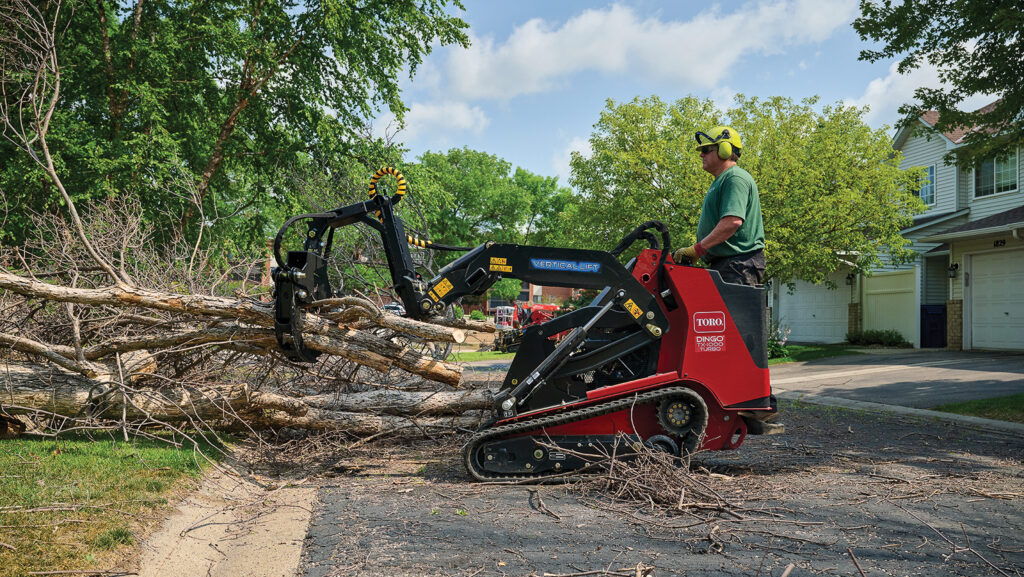
Toro has updated its compact loader offering with the introduction of the Dingo TX 1000 Turbo, building on the success of its existing TX 1000 platform.
The new model retains a rated operating capacity of 0.45t but introduces a turbocharged Yanmar diesel engine.
The power unit is designed to deliver higher torque and improved performance, particularly when using power-hungry attachments such as trenchers and augers.
A key addition is Toro’s Smart Power system, which automatically manages engine output, traction and auxiliary hydraulics to optimise performance under load.
This should help maintain productivity while reducing the risk of engine stall in demanding applications.
The updated machine also aims to improve operator comfort, with reduced vibration from the new engine contributing to smoother running during longer working periods.
Weidemann
© Weidemann
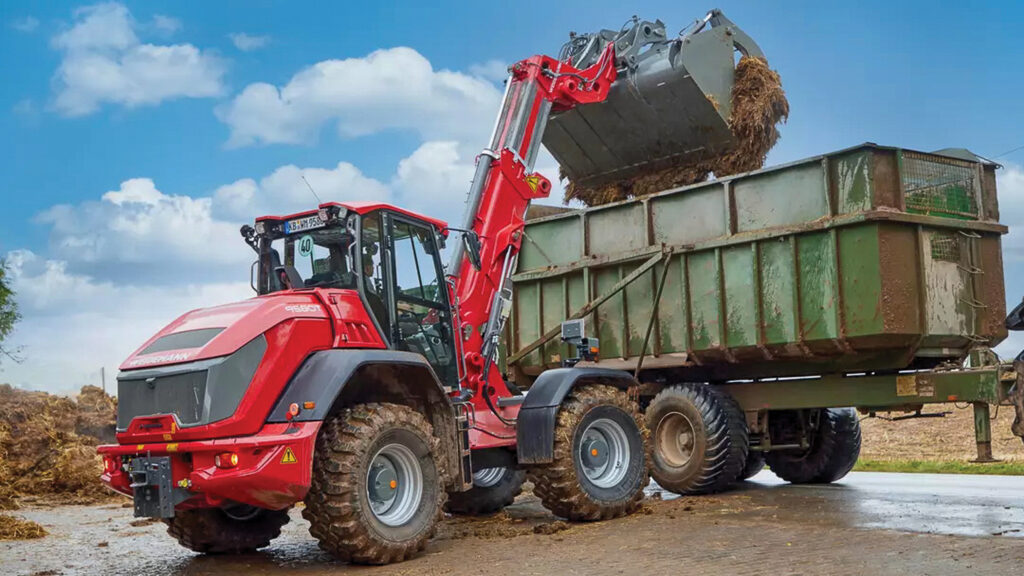
Weidemann has made changes to its drivetrain technology, with the introduction of an ecDrive system across several models.
This electronically managed hydrostatic transmission allows stepless speed control while maintaining engine revs for hydraulic performance, improving control, comfort and fuel efficiency in yard and loading work.
The range has also been simplified, with older variants and alternative drivetrain options removed.