

2025: What made the farming news in May and June?
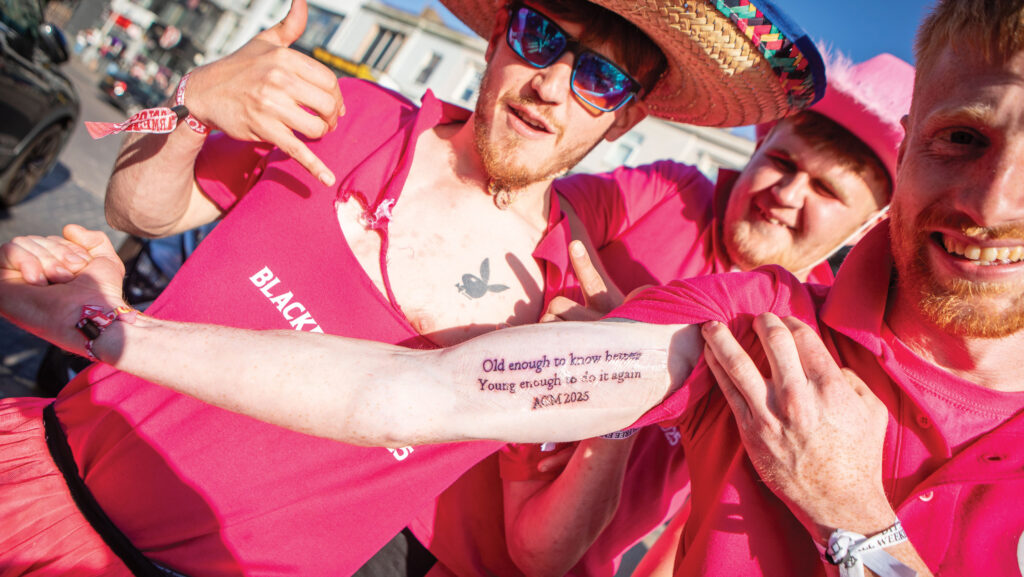 Young Farmers at DIY AGM in Blackpool © Ben Hesketh Photography
 Our review of 2025 continues with a look at what made the news in May and June – from the annual DIY AGM for young farmers in Blackpool to the unwelcome return of avian influenza.
See also: Opinion: It’s great to see Young Farmers’ focus and passion
May
- Farmers in parts of the UK faced growing crop stress as an arid spring threatened progress after a wet winter; however, early silage harvests enabled some areas to aim for a five- to six-cut season.
- Badger culling and vaccination in bovine TB hotspots across low-risk areas of England were linked to dramatic reductions in disease prevalence, according to new data from Defra. In Area 54 – Lincolnshire – where badger culling started in 2020, TB prevalence in culled badgers fell from 24.5% in 2020 to 4.3% in 2024.
- The government touted its free-trade agreement with India as a post-Brexit victory, predicting a £25.5bn increase in bilateral trade and a £4.8bn annual boost to the UK economy by 2040. UK farmers had mixed reactions, however, with some worried about unfair competition and food safety issues, given the wide range of chemicals used in Indian crop production that are banned in the UK. Others feared foreign investment in farmland.
- Defra missed its deadline to publish updated Higher Level Stewardship payment rates, leaving English farmers and landowners uncertain about their finances. It had promised a 2025 rate table and to notify agreement holders by April, but by early May, neither was released.
- Thousands of young farmers gathered in Blackpool for the annual DIY AGM, organised by the Young Farmers Community. Cheeky polo shirt slogans were back on display, and the event drew mixed reactions from residents.
- Government ministers branded the trade deal struck between the UK and US on beef and biofuels as a vital “first step” towards opening agricultural markets. It included a two-way tariff-free quota for 13,000t of beef, as well as duty-free access for US bioethanol. Defra confirmed hormone-treated beef was still excluded. But the deal put the future of bioethanol processors Vivergo and Ensus in jeopardy, threatening to derail domestic production.
- Norfolk farmer/consultant Emily Norton was named as the new chairman of the AHDB, replacing Nicholas Saphir. Well-known civil servant Janet Hughes announced she was leaving Defra
- The Labour government also came under fire after revealing that its controversial farm inheritance tax (IHT) would help fund NHS mental health services – despite warnings the policy itself was deepening rural despair and raising fears of farmers taking their own lives.
June
- A National Audit Office report highlighted that Defra and the Animal and Plant Health Agency would struggle to manage severe disease outbreaks, citing issues such as inefficient processes, a fragmented tracking system, and a 20% vet vacancy rate. Defra later announced a £1bn investment in a new National Biosecurity Centre at Weybridge, Surrey, to strengthen the UK’s disease defence infrastructure.
- The UK’s beef sector was set for a major export boost after the World Organisation for Animal Health reclassified the nation’s BSE risk as “negligible”. The British Meat Processors Association estimated the change could be worth £10m/year from carcass by-product recovery alone.
- British Sugar’s Wissington factory in Norfolk announced it would reduce 50,000t of Scope 1 carbon emissions annually by replacing three high-emission gas dryers with steam dryers. Supported by a £7.5m government grant, construction has begun, and the site aims to be operational by autumn 2026.
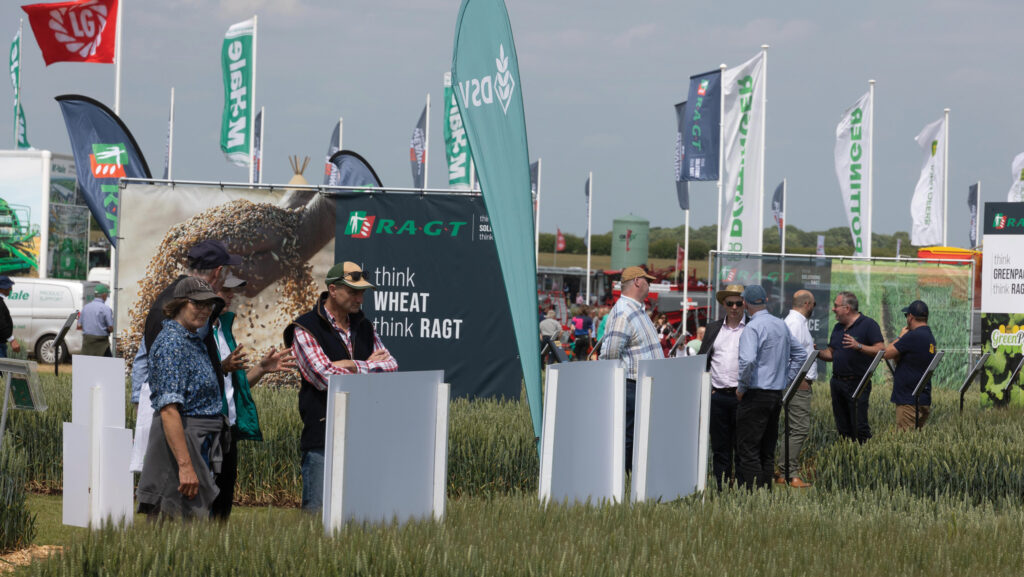
Cereals 2025 © Tim Scrivener
- At Cereals 2025, Lincolnshire host farmer Andrew Ward highlighted the struggles of arable farmers, noting low confidence as prices and yields came under pressure. His comments came after Defra farm income estimates showed wheat, barley and oilseed rape earnings dropped by £1.13bn in 2024.
- Chancellor Rachel Reeves eased concerns about cuts to nature-friendly farming and environmental schemes by confirming an average annual investment of £2.7bn in farming and nature recovery from 2026 to 2029. Defra was, however, expected to deliver at least 5% in departmental savings by 2029.
- Hundreds of campaigners gathered across England and Wales to protest Labour’s support for large-scale solar farms on productive farmland. Rooftops and brownfield sites should be prioritised over vital, productive farmland, the Campaign to Protect Rural England said. In Wales, the Welsh Conservatives called for a moratorium on solar panel developments on agricultural land.
- The return of highly pathogenic avian influenza in a backyard flock of 80 free-range laying hens in Northern Ireland blocked the UK from receiving official avian influenza-free status from the World Organisation for Animal Health. The ongoing trade bans impacted overseas sales of breeding stock and fertile eggs.
See more