

Defra reveals farmer research projects under Adopt programme
 © Tim Scrivener
 The latest research projects under the government’s Accelerating Development of Practices and Technologies (Adopt) programme have been revealed by Defra farming minister Dame Angela Eagle, including new technology trials tackling emissions, productivity, and resilience.
The 30 projects are backed by nearly £2.3m, and the trials explore new ideas in real working farm conditions, from lower-emission machinery to digital tools that support day-to-day farm management.
Dame Angela said: “By backing innovative ideas that boost productivity and resilience, we’re helping farmers lead the way in shaping a modern, sustainable agricultural sector.”
See also: £45m available in innovation grants from Defra
The fund is part of Defra’s Farming Innovation Programme and aims to bridge the gap between innovation and on-farm application, in partnership with Innovate UK.
Projects approved
Projects already approved include a project led by J&E Graham, which will test peat-free compost produced from short rotation coppice willow cultivated in agroforestry systems, combined with other local materials.
Alongside this, W S Furnival will test retrofitting an older Massey Ferguson 290 tractor to run on green methanol, assessing whether conversion could offer a practical low-carbon alternative to electrification where it is not yet viable.
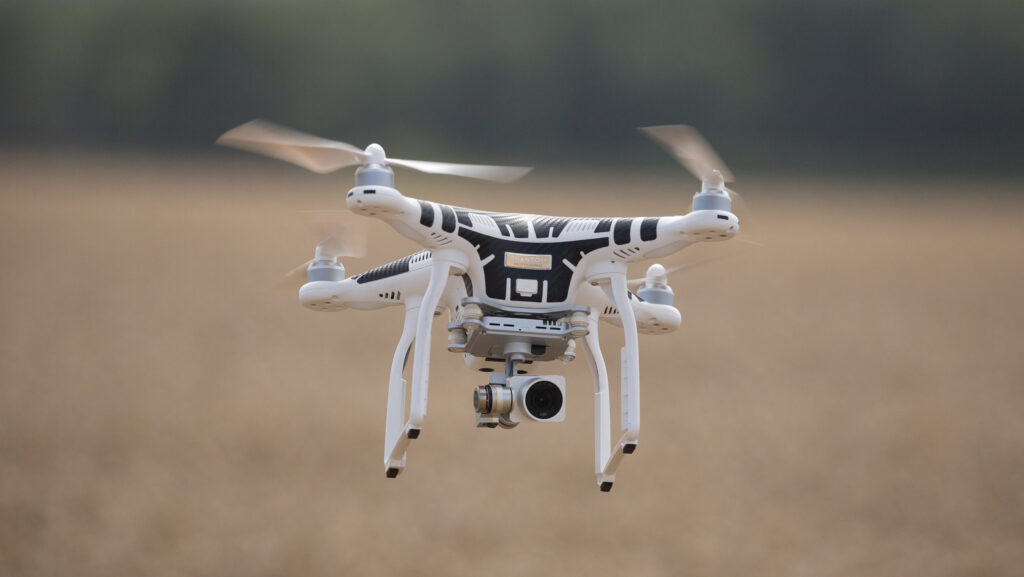
A Farm Digital Twin Platform on two contrasting beef and sheep farms, led by G J Jelley & Sons, will also trial the use of drone imagery, farm records, and on-farm testing to support nutrient planning, environmental monitoring, and day-to-day farm management.
Future applications
Farming, growing, or forestry businesses based in England can now apply for a share of up to £4.5m for on-farm trial and demonstration projects to improve the adoption of new ideas or solutions in the agricultural sector.
The fifth round of grants is now open, and projects valued between £50,000 and £100,000 are being considered.
To be eligible, projects must have the potential significantly to improve productivity, resilience and/or sustainability, and progression towards net zero farming.
The deadline for applications is 4 February 2026.