

Defra’s badger TB vaccination ‘too limited to work’
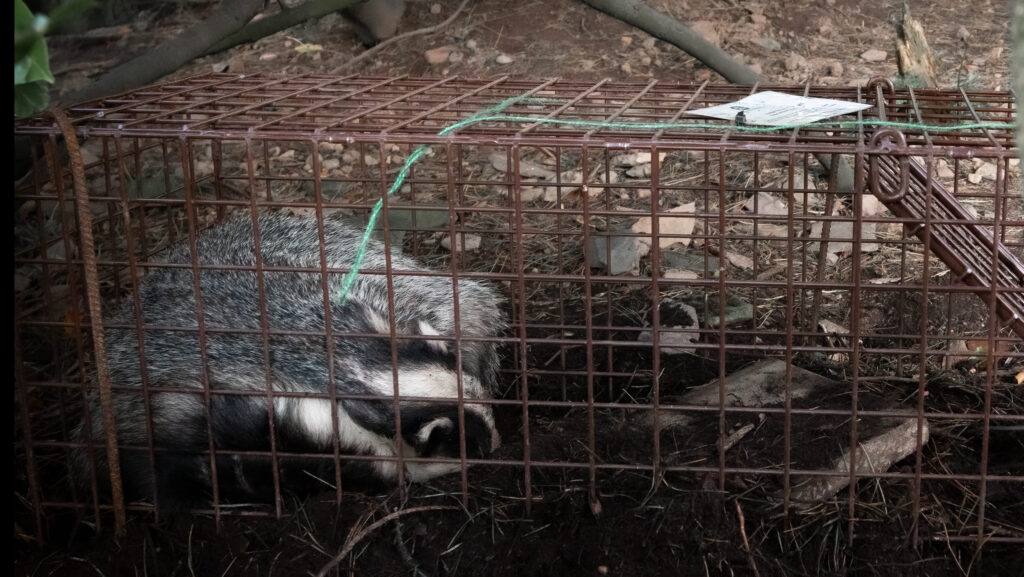 © Adobe Stock
 Defra has allocated £200,000 to purchase about 6,000 doses of BadgerBCG vaccine for England’s bovine TB vaccination programme, prompting warnings that the post-cull strategy risks being too limited in scale to be effective.
Information released under the Environmental Information Regulations (EIR) shows the vaccine batch, bought from Danish manufacturer AJ Vaccines, is expected to cover the 2026 season, with some doses potentially carried over into 2027.
As badgers require about 10 times the human BCG dose, the purchase equates to roughly 60,000 human doses, putting the cost at about £33 per badger.
See also: Bovine TB: Badger vaccination faces its defining test
Defra has yet to confirm how many vaccination areas will operate in 2026 or where they will be located.
Officials say details will be finalised ahead of 1 May next year and will depend on delivery capacity within the Animal and Plant Health Agency (Apha) and the outcome of the Badger Vaccinator Field Force tender process.
With limited vaccine supply and uncertainty over coverage, farmers question whether the programme can meaningfully curb bovine TB following the end of the culling of more than 250,000 badgers between 2013 and 2025.
Ecologist and bovine TB researcher Tom Langton, who submitted the EIR request, said the figures showed the programme lacked both evidence and scale.
‘Untested and unproven’
He described the new approach to controlling TB in cattle as “untested and unproven”, pointing to official figures showing that 4,110 badgers were vaccinated in England in 2024, including 2,289 by Apha, with fewer than 100 vaccinated in most counties.
“A thin spread of vaccination in post-cull areas is simply tokenistic and I hope farmers and veterinarians are not duped,” Mr Langton said, describing the approach as “vaccination lite”.
While Defra has committed £18m over four to six years to badger vaccination, Mr Langton, an outspoken critic of culling, estimates the true cost per vaccinated badger could rise to nearly £800 once staffing, logistics and operational costs are taken into account.
He also argued that any impact would be obscured by the continued use of interferon gamma (blood) testing and said the money would be better spent accelerating cattle TB diagnostics.
Defra said badger vaccination was not intended to replace culling on a like-for-like basis, with activity focused on post-cull areas where badger populations are lower. Unlike culling, the programme will be fully funded by government.
Defra response
A Defra spokesman said: “Bovine TB remains one of the most difficult and persistent animal health challenges, causing devastation for farmers and rural communities.
“That is why we delivered a record 4,000 badger vaccinations in 2024 and are deploying a new Badger Vaccinator Field Force next year to drive down TB rates and protect farming businesses, alongside work to develop a cattle vaccine.”
Defra added that it is working with Apha to develop statistical methods to assess vaccination impacts, citing evidence from Irish trials.