

Farmers highlight impact of Norwich to Tilbury pylon plan
 © Adobe Stock
 Farmers and rural landowners continue to raise concerns over the proposed Norwich to Tilbury high-voltage line, warning of disruption to farmland and agricultural operations.
The project proposes a 40kV line stretching roughly 180km from Norwich in Norfolk to Tilbury in Essex, designed to connect offshore wind farms to the national grid.
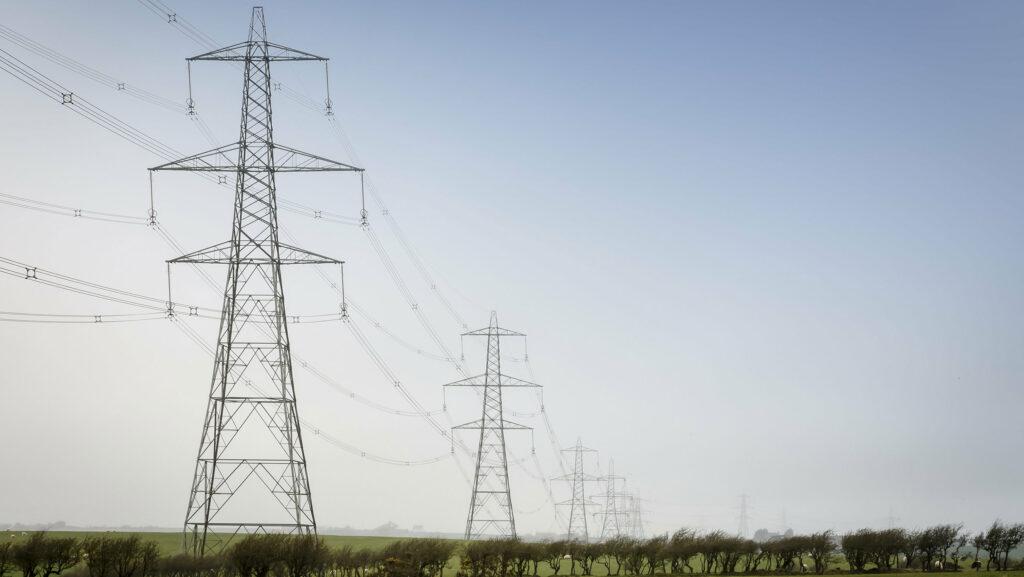
Most of the 114-mile route would use overhead steel pylons, typically 50m in height, with around 13 miles of underground cabling through sensitive areas, including the Dedham Vale National Landscape.
See also: How farmers face huge disruption from electricity infrastructure
At hearings on 10-13 February, part of the formal examination of National Grid’s Development Consent Order application, farmers highlighted potential impacts on crops, livestock, hedgerows, and drainage systems.
Several described how prolonged construction could render fertile land unusable for months.
Tamsin Fairley, a rural surveyor at Savills representing T Fairley and Sons, based at Little Bromley, Manningtree, Essex, warned of permanent losses to productive land.
“The positioning of the substation and its connections… will result in the permanent loss of approximately 100 acres of T Fairley and Sons’ grade one best and most versatile farmland,” she said.
“The cumulative impact of this and other projects raises questions about the viability of our business and our ability to continue living on the farm.”
Lack of engagement
John Stacy, whose farm faces being crossed by four pylons, accused National Grid of failing to engage with landowners.
“How can they claim there’s no significant residual effects to health and wellbeing? For National Grid’s lack of engagement in a scheme, they should be ashamed of themselves,” he said, describing the line crossing horse paddocks and coming within 160m of a house.
He also accused National Grid, a company with compulsory purchase order powers of having “no care for anyone apart from their shareholders dividends and capital growth”.
Clive Drury, a beekeeper and orchard owner in Suffolk, described the route cutting diagonally across his land.
“Some studies suggest EMF [electromagnetic fields] disrupt honeybees, so I will no longer feel comfortable bringing my family or anyone else to the field,” he said.
“I will most probably lose my hives. The small piece of land I bought as a long-term project with my granddaughters has now been rendered worthless.
“There is a viable offshore option that would have less impact on the environment and people’s lives.”
Rosie Pearson, founder of the Essex Suffolk Norfolk Pylons action group, said: “In the public sessions, we heard stories of farmers who will lose land they have farmed for generations, some as much as one third of the farm.
“Others told how they have spent years farming with nature but that National Grid will annihilate habitats and undo the good done.”
National Grid’s stance
National Grid says the project is part of its £30bn Great Grid Upgrade and a “critical national priority to ensure electricity from offshore wind farms can reach homes and businesses across East Anglia and the South East.”
A spokesman for National Grid said: “All overhead lines are designed to meet strict independent health guidelines, and we always ensure that all overhead lines, cables and substations comply with the safety guidelines.
“The project needs to be delivered as soon as possible to connect offshore wind and help reduce ongoing costs for homes and businesses.
“Environmental plans and assessments have been submitted as part of our proposals and will be reviewed through the independent. Examination process, which allows local people and stakeholders to have their views heard.
“If approved, the project will support economic growth, secure skilled jobs, and as demand doubles in the coming years, ensure reliable electricity for homes, businesses and public services across Norfolk, Suffolk and Essex.”
The inspectors will make a recommendation to energy secretary Ed Miliband, who will make the final decision.
If approved, construction is scheduled to begin in 2027, with the line expected to be fully operational by 2031.
National Grid said the project would support economic growth, secure skilled jobs, and ensure reliable electricity for homes, businesses and public services across Norfolk, Suffolk and Essex.