

Farmers targeted by mass planning objections
 © Tim Scrivener
 Farmers are facing co-ordinated campaigns of intimidation, with planning objections increasingly used by foreign activists to block legitimate pig, poultry, and dairy projects.
Industry leaders have accused activist group Communities Against Factory Farming (Caff), formerly the Coalition Against Factory Farming, of exploiting the planning system to obstruct farm businesses and disrupt rural livelihoods.
See also: Pig farmers warned over surge in activist incursions
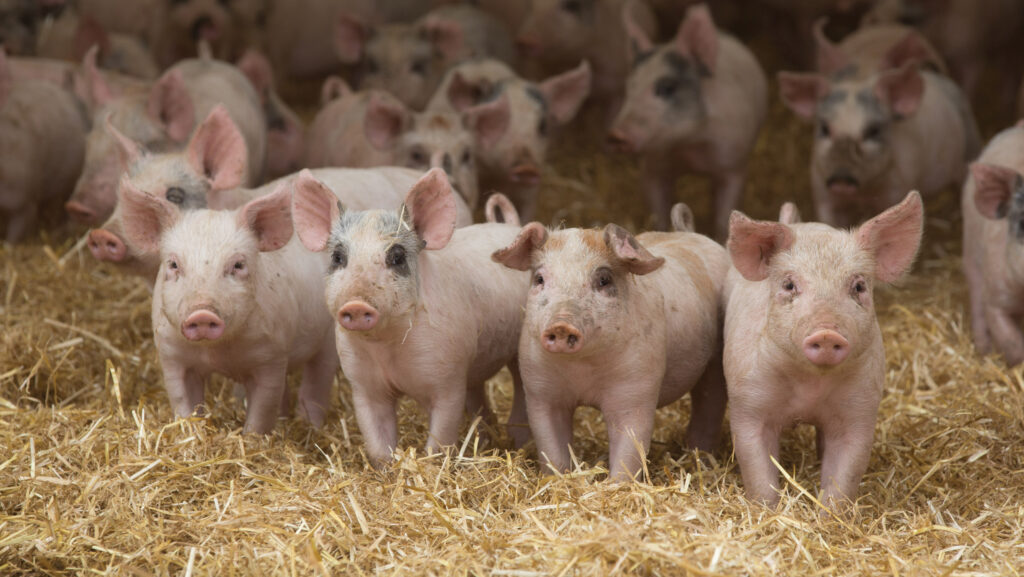
Farmers at one Gloucestershire unit reported repeated objections and online pressure after submitting plans to adjust pig housing.
Another operator, who wished to remain anonymous, said: “I just want to farm. I feel overwhelmed.
“I wanted to invest and grow my business, but I’ve ended up the victim of mob hatred.”
Tony Goodger, spokesman for the Association of Independent Meat Suppliers (Aims), said downloadable flyers and template objection letters were being used to generate mass opposition to council planning applications.
“The campaign encourages mass objections using template letters, sometimes running to 15 pages.
“Personal objectors, from as far afield as Brixton, Antwerp, and Birmingham, Alabama, take on a farmer with 15 acres just trying to make a living,” he said.
‘Campaign of intimidation’
He added that planning applications had become a tool for bullying.
“Farmers are facing an orchestrated campaign of intimidation.
“People are being urged to lodge complaints without understanding the facts, and councils receive dozens of objections that misrepresent the reality on the ground.
“This is not just inconvenient – it’s psychologically damaging farmers in an industry already with one of the highest rates of suicides.”
Mr Goodger also criticised what he described as misleading messaging and imagery.
“The public is being misled. Caff claims to be targeting ‘factory’ farmed pigs, but many are small-scale or even RSPCA Assured,” he said.
The National Pig Association (NPA) warned that planning had become the primary barrier to growth in the sector.
NPA chief executive Lizzie Wilson said applications in some areas were attracting hundreds of objections from people around the world using standardised templates.
But she added: “We hope the planning reforms announced by government before Christmas will help to effect the tangible change needed by putting more onus on local planning authorities to back projects related to food production.”
Caff defends actions
In response, Caff said its work is focused on empowering local residents and challenging councils where it believes planning law has been breached.
It said many people move to the countryside for peace and fresh air, “only to find they cannot even sit in their gardens due to the stench from intensive pig and poultry farming”.
Caff maintains that public frustration reflects wider concerns about intensive animal farming, including environmental impact, food security and animal welfare.
A spokesman said: “People want safe and sustainable methods of food production that provide fair returns for farmers, not intensive farming that harms local residents, the environment, animals, and food security.”
Government response
The dispute comes as ministers promise planning reform.
A UK government spokesman said: “For too long, Britain’s growth has been held back by a sluggish planning system.
“But our landmark Planning and Infrastructure Act is tearing down barriers and getting Britain building again.
“We are cutting red tape to help drive long-term change for farmers, injecting more money into the sector, including grants to access cutting-edge technology and an improved SFI scheme to fuel further growth.”
Mr Goodger urged Defra secretary Emma Reynolds to ensure reforms deliver clarity and timely decisions.
“Farmers cannot be left vulnerable to orchestrated mob action while waiting for vague promises,” he said.
Proposed planning changes to support food production
The government is consulting on updates to the National Planning Policy Framework (NPPF).
It guides planning decisions across England, with a focus on supporting domestic food production and strengthening rural economies.
The proposed changes aim to ensure that planning applications related to farming – particularly those enhancing animal welfare, sustainability, and environmental standards – are given “substantial weight” by decision-makers.
The consultation document on Gov.UK emphasises the economic and food production benefits of modernising farms and agricultural operations, while safeguarding the countryside and the best-quality farmland.
It also underlines the importance of sustainable growth of rural enterprises through diversification and development, including converting existing buildings or constructing new, well-designed structures.
Examples include upgraded livestock housing, on-farm reservoirs, greenhouses, polytunnels, farm shops, and temporary accommodation for seasonal workers, all designed to improve farm viability and resilience.
Farmers and rural businesses are invited to provide feedback by 10 March 2026 on how planning can best support food production, innovation, and economic growth while protecting high-quality farmland.