

Greek sheep and goat flocks hit hard by pox outbreak
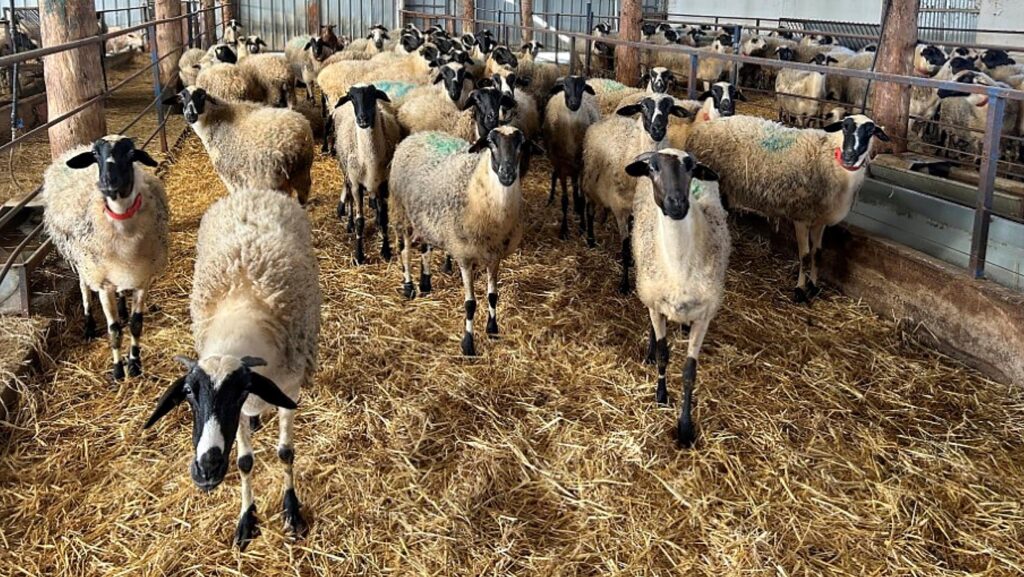 © Avdanas Farm
 Greek farmers are facing heavy financial losses after around 430,000 sheep and goats have been culled during the past year due to an outbreak of highly contagious sheep pox and goat pox.
The first cases of the disease were confirmed in parts of northern Greece in August 2024, but it has spread to many other areas of the country since then.
See also: Further bluetongue cases detected in County Down
Both viral diseases are characterised by fever, lumps on the skin, internal lesions on the lungs, and death. Humans cannot contract the diseases.
In order to try and prevent the spread of the diseases, the Greek government is culling all animals in affected flocks, even if only a few have displayed the symptoms.
Not only are farmers taking a financial hit with the loss of their sheep and goats, they are also losing significant income from sales of Greek feta cheese.
Around 80% of the sheep and goat milk produced in Greece goes to making feta cheese, which in 2024 accounted for €785m (£683m) in exports.
The Greek government has issued guidelines to the country’s sheep and goat farmers, outlining strict biosecurity measures to follow in order to curtail the disease spread.
However, some farmers have failed to follow the rules, putting more regions in danger.
A spokesperson for the Greek Ministry of Rural Development said that, despite some early success with eradication measures, lapses in biosecurity have led to “an explosion” of cases in recent months.
Sheep and goat farmers have been urged to inspect their animals every day, looking out for any scabs, ulcers or tears, and to report them to the authorities if found in more than one sheep or goat.
Some farmers have been so desperate to protect their animals that they have been bringing in black market vaccines from Turkey, which the government is trying to clamp down on.