

Lancashire ‘mega’ solar farm to run alongside sheep farming
 © Tim Scrivener
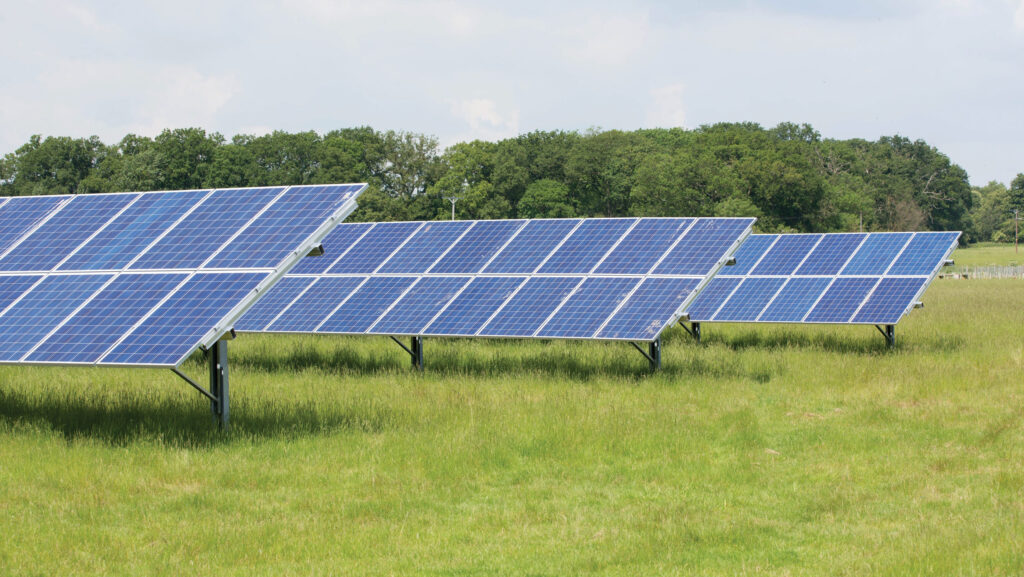
 A large solar farm allowing continued agricultural use has been approved on farmland in Lancashire, with councillors backing a renewable energy scheme that will see sheep graze beneath raised panels near the River Ribble.
Fylde Council has unanimously granted planning permission for Clifton Marsh Solar Farm, which will be built on 69ha of agricultural land south of Clifton, near Preston.
See also: Wiltshire solar farm enters public consultation phase
The development, with a capacity of up to 49.9 megawatts, will be operated by European energy company Vattenfall.
It is expected to generate enough electricity to power more than 14,000 homes each year and save over 20,000t of carbon dioxide annually.
Farming will remain a key part of the site throughout the project’s 40-year lifespan.
Sheep will graze on grassland beneath elevated solar panels, allowing agricultural production to continue alongside energy generation.
At the end of the project, the land is expected to be restored fully to farming use.
The scheme was approved subject to 28 planning conditions. Council officers said the benefits of the development would “outweigh the harm”.
Vattenfall has said the project has been designed to support farming and biodiversity together.
Measures include improved drainage to reduce flood risk, grassland management compatible with grazing, and habitat creation for farmland birds such as skylark.
Native broadleaf tree planting and enhancements to hedgerows and ditches are also planned.
Emma Metcalfe, Vattenfall’s project manager for the site, said: “This is a fantastic opportunity to deliver renewable energy while creating real benefits for nature and the local community.
“We look forward to working closely with the community as the project progresses and continuing discussions on initiatives that bring lasting benefits for local people.”
The approval comes amid national plans to expand solar power, with energy secretary Ed Miliband pledging to triple UK solar capacity by 2030.
However, critics of large-scale solar developments have raised concerns about the long-term impact on farmland, the return of land to agriculture, and the environmental effects of associated infrastructure, while others have called for greater emphasis on rooftop solar instead.