

Editor’s View: No need for UK farmers to lead fuel protests
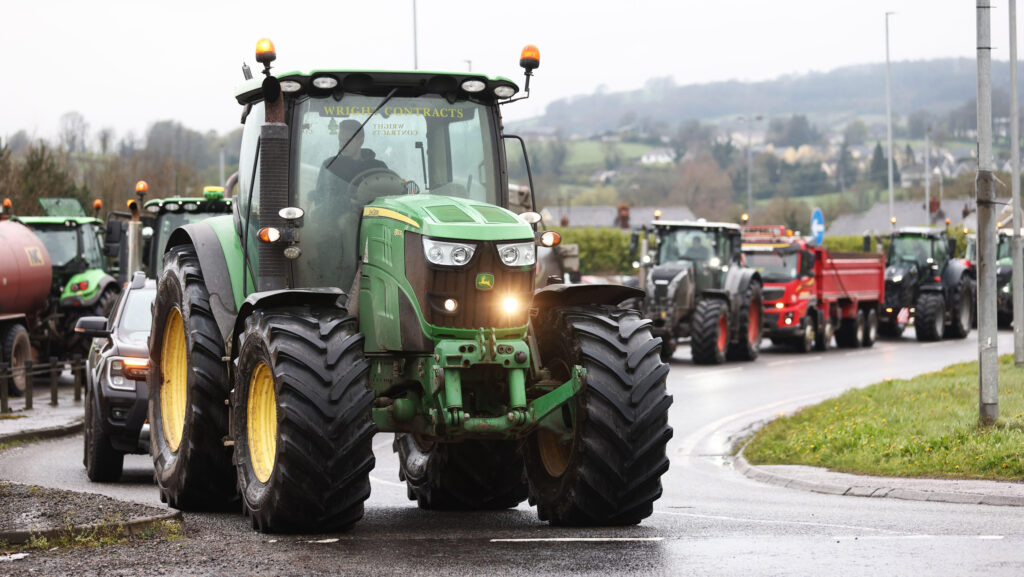 © Associated Press/Alamy Stock Photo
 I’m sure the outbreak of significant fuel protests in Ireland has prompted many people to ask if – and when – tractor-led direct action should be taking place on this side of the Irish Sea.
The inheritance tax (IHT) protests in Westminster and other parts of the UK are fresh in my memory, and the fuel crisis feels like another assault on an agricultural sector that is brittle and financially precarious.
Take the dairy sector, for example, which is already being pushed into the red by low milk prices – notwithstanding the fact the farmers should bear some of the blame for this as it has in part arisen from soaring production.
See also: UK farmers weigh fuel protest action amid rising costs
About the author

Figures from consultancy firm Andersons forecast farmers in the 2026-27 financial year were set to make an estimated loss of 3.2p/litre in England (and 2.1p/litre in Scotland, thanks to more direct support) even before fuel and fertiliser prices soared.
A doubling of machinery fuel and oil costs from an ABC book value of £125/ha to £250/ha would add another 4% to the typical fixed costs of a medium-sized dairy farm, deepening losses.
This is particularly galling when we look across the Channel and see other European governments that have, like the Irish, established financial aid packages to mitigate some of the pain brought about by soaring energy prices.
If the UK government wants to make good on its “food security being national security” mantra, surely now is the time to act?
So that is the argument in favour of direct action. But what about the arguments against?
First, there is the clear risk that a disrupted public would not look kindly on fleets of tractors choking the road network when farmers are one of the few sectors already benefiting from fuel priced lower than it is on the forecourt.
During the IHT protests, the anti-farmer brigade was desperate for videos of tractors holding up the emergency services and would surely be back on the hunt for a negative viral moment.
Then there is the bigger question of whether it is credible that the government has the capacity and willingness to act.
Whether it deploys additional multibillion pound support packages or not, public spending is set to soar – thanks to inflation-linked welfare and debt payments.
Even a hard-hearted farmer may have a pang of sympathy for the prime minister and the Treasury, who are now facing a widening financial deficit and higher interest payments from a conflict they did nothing to instigate and are barely involved in.
And this is on top of already strained public finances, with more than 8% of all spending going on debt interest in 2024-25.
If only a limited support package is credible, there would need to be a very tight argument that additional help for farmers over those in other parts of the economy is merited.
Should that support be for road hauliers (where fuel is at least one-third of their costs), the poorest in society, the businesses that are the most energy- intensive, or our industry?
If protests spread, support them if you want, but my gut feeling is farmers shouldn’t be at the front on this one.