

Editor’s View: Tricky times ahead for Recommended List
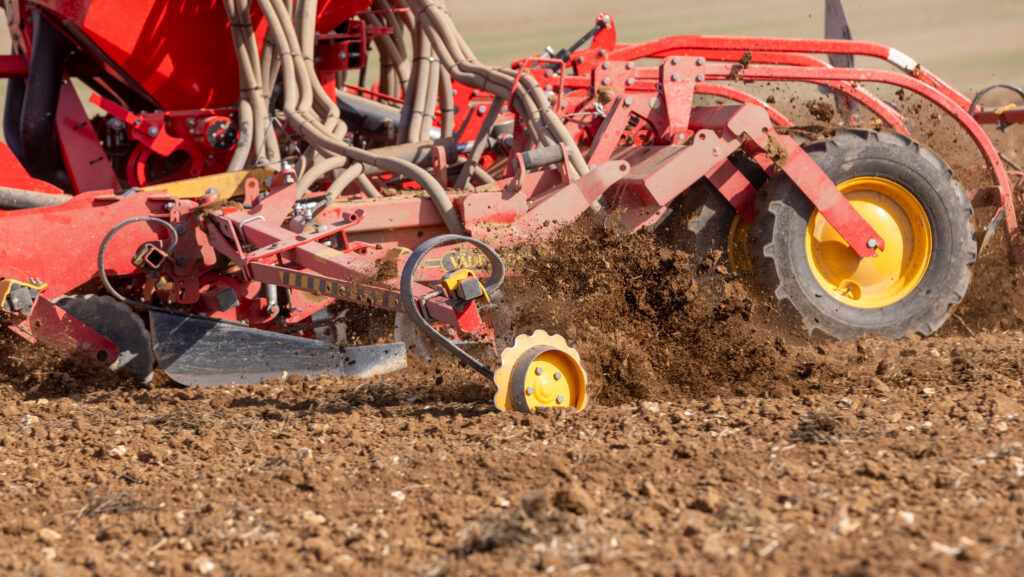 © GNP
© GNP Are the AHDB Recommended List trials for cereals and oilseeds – now in their 81st year of operation – still fit for purpose?
The annual updated list of recommended crop varieties, published this week, has been described by some in the trade as a bit messy.
That’s chiefly due to the inclusion of several wheat varieties described as having “agronomic compromises” – a polite way of calling them quite susceptible to yellow rust and lodging.
See also: ‘Compromised’ winter wheat varieties join latest Recommended List
About the author

The point of having these trials is to produce high quality and independent information that will allow farmers to select varieties that will suit their farm and end user.
Indeed, levy payers told the AHDB during its last strategic review that one of its four key priorities should be “enabling better business decisions through services such as the Recommended Lists and our nutrient management information, including RB209”.
And it had better be a priority, as work of this sort doesn’t come cheap.
Recommended List (RL) trials will cost the AHDB and the trade a combined £23.4m for the five years ending April 2026, with levy payers coughing up £9.5m of that.
Yield v risk
So how have we ended up in a situation where high-yielding but high-risk varieties are making it onto the list?
This is despite the RL project board’s own published minutes showing it is well aware that farmers are asking for varieties with performance that is less reliant on a belt-and-braces fungicide programme.
A discussion on this topic arose at a meeting in March – the last meeting for which the minutes are available – about how to cut the number of trials for harvest 2026 in order to operate within tighter budgetary constraints.
Yet it was noted that simply reducing applicants to those with the highest yield potential would “increase the relative importance of fungicide treated yield, which is counter to what farmers are currently asking for”.
I have tried to get some answers about the final decision on the number of RL trials for next year – admittedly at short notice – but no one was available to answer my query at time of press. More answers next week perhaps.
Difficult situation
What is beyond doubt is that the AHDB is operating in a situation even more difficult that it anticipated when it raised levy rates in spring of 2024.
In the previous year – financial year ending March 2024 – it collected a gross levy from cereals and oilseeds of £11.1m.
The following year, despite levy rates increasing from 46p/t to 58p/t, the smaller harvest meant overall income only rose to £11.9m and the sector ran a deficit on ordinary activities of £373,000.
Had it had the luxury of applying the higher levy across a tonnage comparable to that of harvest 2023 – when more than 1m more tonnes of wheat and barley were produced – then income would have been significantly higher.
This week’s first formal estimates of the size of harvest 2025 will have confirmed what the AHDB already knows – a lower national output will mean that income will be down for the current financial year.
Difficult decisions are ahead.