

Editor’s View: Too much of our food is still in wrong place
 © Roman Mykhalchuk/iStockphoto
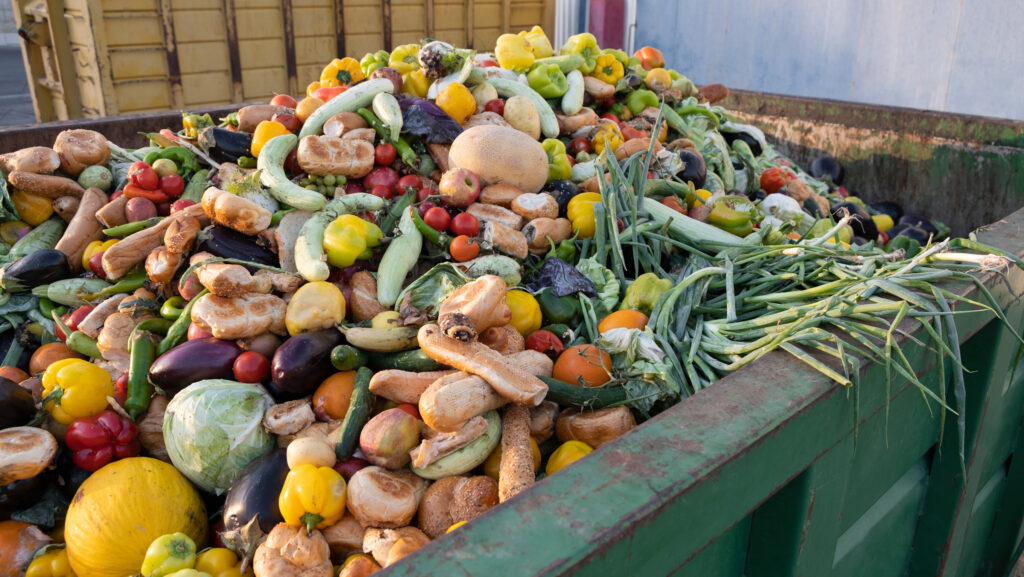
 We are not angry enough about the amount of food that is wasted between field and fork.
That was my overriding emotion after leaving a briefing this week put on by FareShare and the Felix Project, two charities that are joining forces to tackle this problem across the UK.
They take “surplus” food from the supply chain and deliver it to local charities round the country that operate food banks or make meals for those in need.
See also: Fertiliser buying advice as Iran conflict squeezes supplies
About the author

They fund the cost of distributing food from farm into their supply chain so that it is cost-neutral for a farmer, manufacturer or retailer to donate the food rather than choose to send it to animal feed or anaerobic digestion, for example.
Last year they rescued 57,000t of surplus food (almost one-third of the total 210,000t redistributed by the charity and retail sectors, according to Wrap), and estimate there is still a further 470,000t/year that could be procured immediately if they had funding for sufficient logistics.
That is dwarfed by a staggering total of 4m tonnes of surplus food that is good to eat at the point that it goes to waste in the UK food industry every year.
And there is plenty of demand, with 10% of UK households suffering food insecurity – either skipping meals or unable to afford healthy food.
Words were thrown around at the event which are uncommon in modern society.
Orchard growers talked of volunteers “gleaning” for apples that were out of spec and would previously have rotted unused.
At the other end of the supply chain, a speaker from the Black Prince Trust – a Lambeth charity that primarily puts on activities for economically disadvantaged children and young people – spoke of witnessing rickets and scurvy.
Anger is definitely the right emotion for this in particular.
These are the victims of our inability to move the food from where it is produced to where it is needed the most, as those in poverty can’t send an economic signal strong enough to make the market respond.
But as I made my way home after the event, I reflected that it isn’t anger that has taken the charities involved this far, but a willingness to work with the world as it is rather than as it should be.
This includes:
- A willingness to acknowledge the wafer-thin margins that farmers are operating under and how the additional cost and complexity to process the food for collection is significant.
- A willingness to acknowledge Defra has done a great deal to support their work, even if there is so much more that could be done across government to incentivise redistribution.
- And a willingness to acknowledge that even retailers, who have driven so much waste in supply chains historically, are also changing (some of) their ways.
As farmers and growers make Iran-driven decisions this spring about fertiliser application rates and the like – which may ripple through into reduced output come harvest – it is right that they put their economic self-interest first.
When inputs are rocketing and output prices are low, this is the way to survive.
But if you are a food producer who has felt a pang of sorrow at sending perfectly good food to any non-human destination, do get in touch with appropriate charities.