

Editor’s View: Upheaval for farming likely in May elections
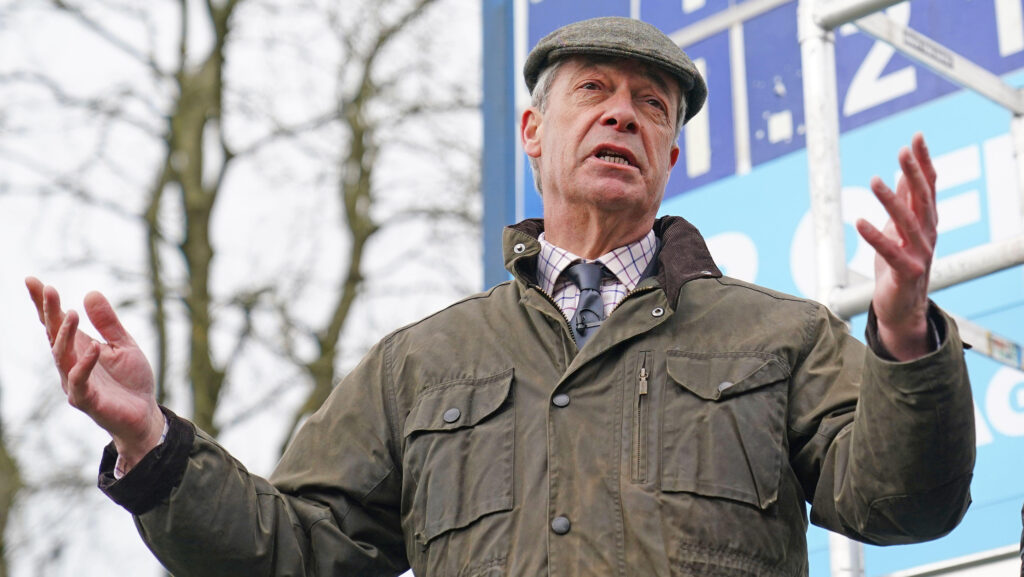 Nigel Farage © PA Images/Alamy Stock Photo
 There is a well-worn phrase in political circles about how one should interpret the many, many things that come out of the mouth of US president Donald Trump.
The media, it is said, takes him literally but not seriously, while his supporters take him seriously but not literally.
This goes a long way towards explaining why the price of energy and other commodities has swung back and forth so dramatically in the past two weeks, as traders live from one breathless (and contradictory) headline to the next.
See also: Chlorinated chicken entering UK ‘won’t happen’, says Farage
About the author

And it makes it near-impossible for the rest of us to see beyond the end of our noses at the best of times, let alone during a war in the Middle East with far-reaching global consequences – including the affordability of food and the vitality of agriculture.
So if we can’t predict it, can’t fully explain it, and can’t do very much about it, perhaps it is right to turn at least one eye to matters closer to home this week.
Which brings me to Nigel Farage’s foray into farming affairs.
Like Trump, he is another maverick politician who has built his reputation on being much looser-lipped than his strait-laced rivals.
And, like Trump, he has at times been taken literally but not seriously by much of the media, while seriously but not literally by supporters of his Reform UK party.
That has allowed him to brush off several scandals that would have brought down most other politicians – and hold opinions that others would be too cautious to admit to.
For voters in Wales and Scotland, including many farmers, this now really matters as they approach their May elections – with Reform forecast to win a significant number of seats in both.
In Wales, a recent More in Common voting intention poll forecasts 28 Senedd seats apiece for Reform and Plaid Cymru, ahead of 26 for Labour, meaning no party is likely to have an outright majority in their expanded 96-seat legislature.
In Scotland, the SNP will almost certainly be the largest party, but polls are divided over whether they will have an outright majority.
This means that if you have a trip to the ballot booth this year, it is time to take Reform UK and its policies both seriously and literally – whether they fill you with hope or dread.
Reform’s plan for farming in Wales touches on many hot topics, including calls for badger culling to tackle bovine TB, more changes to the Sustainable Farming Scheme, the cutting of red tape, and reform of Hybu Cig Cymru and Farming Connect.
Yet in his interview with Farmers Weekly this week, Mr Farage – its leader on the other side of Offa’s Dyke – was unrepentant in his support for more food imports, including chlorinated chicken, despite it being opposed by most in the agricultural industry.
Mr Farage may be one of the most divisive figures in politics, but it is the job of all politicians to confront the trade-offs that all parties, in different ways, bake into their policies through the choices they make.
Voters take a dim view of those who do not.