

Opinion: 7 things I’ve learned from rewilding
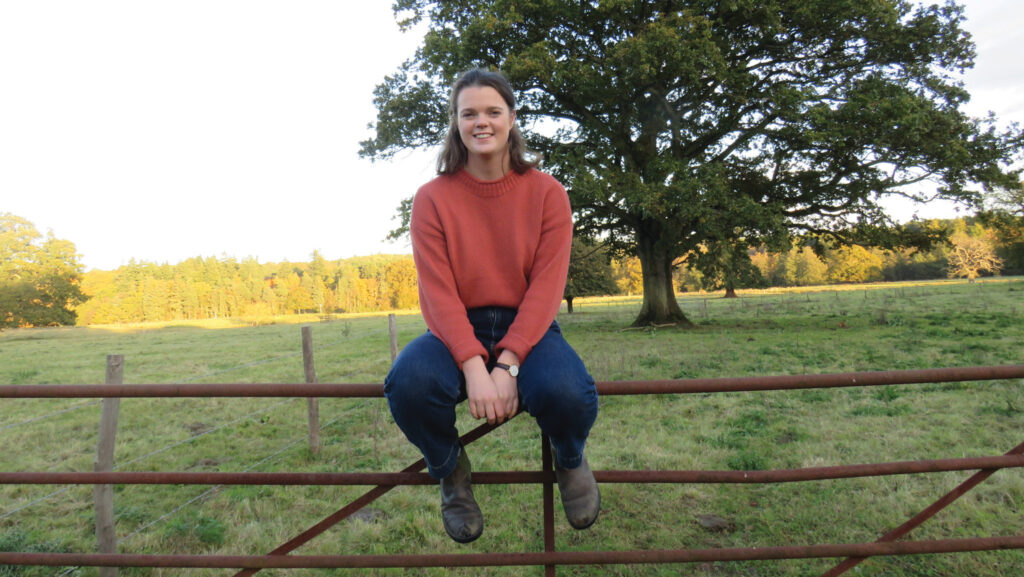 Molly Biddell © Molly Biddell
 I’ve been working at one of lowland Britain’s most famous rewilding projects for more than three years now, and what a wild time (pun intended) it’s been so far.
I have learned so much, my eyes have been opened to see land in new ways.
Working on our family farming business an hour north of Knepp, it’s obvious to me that I can love farming and love rewilding at the same time.
See also: Opinion – why we ned to redefine the word ‘productive’
About the author

Here’s a quickfire list of some of the key lessons I’ve learned from rewilding three years in.
1. Natural processes work
They really do. Knepp has seen a 900% increase in breeding birds over the past 20 years.
And this is all thanks to natural processes (like scrub regeneration) driven by free-roaming animals (such as cows, pigs and ponies).
If we create the right conditions, nature has an amazing ability to know how to look after itself, recover and thrive.
I’ve learned that being humble, caring less about control and accepting that often nature knows best can make managing land incredibly enjoyable.
2. Mess isn’t bad
Mess in rewilding means complexity and diversity, which are both essential for a resilient system.
Naturally regenerating scrub can look “messy”, but it’s a precious habitat, a natural tree guard, a source of pollen and energy.
Equally, a beaver-built wetland can seem pretty chaotic.
Both habitats are complex and diverse and that’s where their strength comes from. Not a bad analogy for all systems really.
3. Ecologists are awesome
Ecologists have helped me to see and read landscapes in a new way.
I now look at landscapes and appreciate them not only for the calories they can produce but also the habitat types and species they are home to, and the full suite of ecosystem services they can deliver.
4. Disruption is good
Disruption or disturbance of the soil provides space for germination and new growth, and disruption in our agricultural sector is important for new growth, too.
We’re not a sector of huge risk-takers, but we will only ever become better if some do disrupt the status quo, challenge convention and create space for alternatives.
5. Data is king
The importance of having data to demonstrate what is happening, and whether systems are improving (or not) cannot be underestimated.
6. Buzzwords are polarising
Rewilding is still a word that can provoke strong reactions, not always all positive.
But when I debunk the buzzword and explain what is actually happening on the ground (for example, natural regeneration of successional scrubby habitat), people can engage practically and are more open to a constructive conversation about the realities and nuances of land use.
Buzzwords can feel tribal and alienating and understandably make people defensive and disengaged.
7. People really care
Possibly the biggest lesson I’ve learned. People really love to have the chance to be hopeful about something.
Rewilding ignites brains and inspires hearts in the most amazing way, bringing together people from all walks of life who want to learn, experience, support and take action.
I believe anything that encourages more people to be interested in the potential of our countryside is a massive win for all of us.