

Opinion: EU ‘alignment’ would be death-knell for winter cereals
 © Tim Scrivener
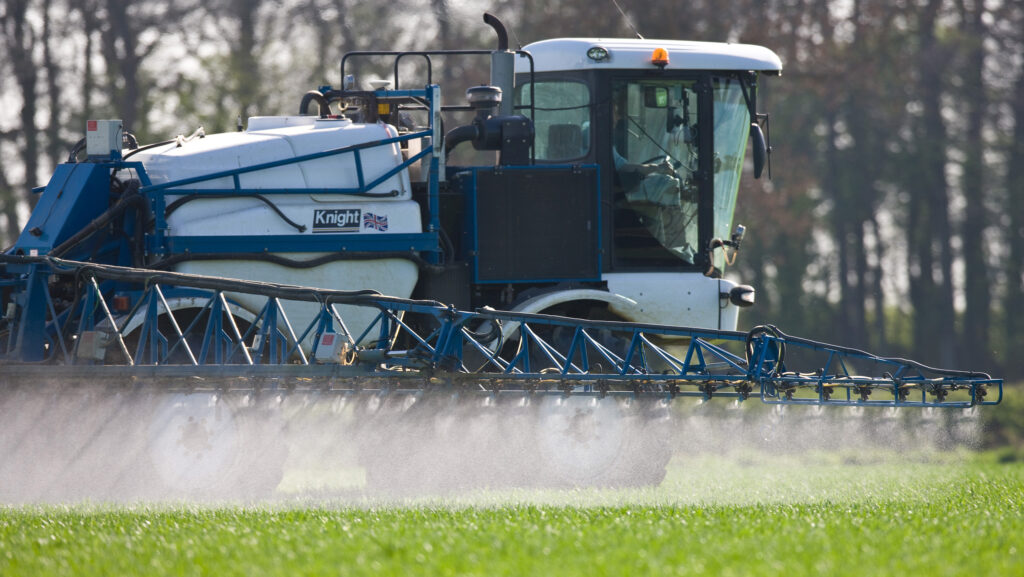
 One piece of kit that gets a decent workout on the farm is our trailed sprayer.
For the past decade and a half, we have had a model of keeping them in warranty and trading them in every three or four years before they get too tired, rolling the difference into a new HP agreement of a few thousand pounds a year.
See also: Opinion – our traditional ‘culture’ jars with those in power
About the author

With the amount of ground it has been covering, until now I had been extremely satisfied with this arrangement – we get the latest tech, reliability and no unexpected repair bills for a modest yearly cost.
Now, though, the gulf in value between new and a four-year-old trade-in is so vast that we’ve bitten the bullet and the sprayer is currently wingless in the workshop, having a major bearing, bush and pin refurbishment.
Resultantly, I’m planning on keeping it for several more years until it starts flapping like a swan again.
Pesticide legislation
Of course, the business necessity of a sprayer somewhat depends on the availability of products to put in it.
The threat of British and EU “dynamic alignment” is a spectre that many British growers haven’t quite got their heads around.
Basically, it proposes to once again align UK pesticide legislation with the EU’s and will ban some extremely effective chemistry from our shores.
The list of victims includes two absolute belters for arable profitability: flufenacet, which has just been banned in Europe, and cinmethylin, which is approved here in the UK but has yet to be approved over the Channel.
Both actives are the only heavy lifters when it comes to blackgrass and ryegrass control in cereals.
Flufenacet, importantly, is out of patent and its price has dropped considerably in recent years, providing exceptional bang for your post-EU, subsidy-free British buck.
Cinmethylin is newer and more expensive, but it too is extremely effective. Trial results indicate that both products bring 70-90% of total control in a residual programme.
To lose one of these would be economically expensive, but to lose both would be a death-knell for economic winter cereal production across a very large chunk of the UK.
Unintended consequences
What, then, for the alternatives? In another classic demonstration of the law of unintended consequences, the answer for some would be to grow only spring cereals.
Bitter experience tells me that this is not an exciting economic proposition on heavier soil types in the drier half of the country.
Alternatively, we probably need to look at physical measures such as mechanically hoeing most of the wheat in the country in March or April.
Soil and weather conditions at this time of year aside, Chris Packham won’t like what happens when you hoe through half of the country’s skylark nests.
Robot weed control is the answer here, but I’ve seen these systems in person and they are years away from commercial viability.
Whatever your views on Brexit, being able to paddle our own canoe against mad European policy decisions such as this is a major benefit of leaving.
Reports from lobby groups that this “alignment” will cost British agriculture £810m a year might well prove to be a gross underestimate.
And all for what? So that a failing, anti-farming government can claim a shallow trade-deal victory, it seems.
Just like my sprayer, Reform UK’s polling results seem to have Labour in a flap too.