

Opinion: Why farm assurance claims need to be squeaky clean
 © GNP
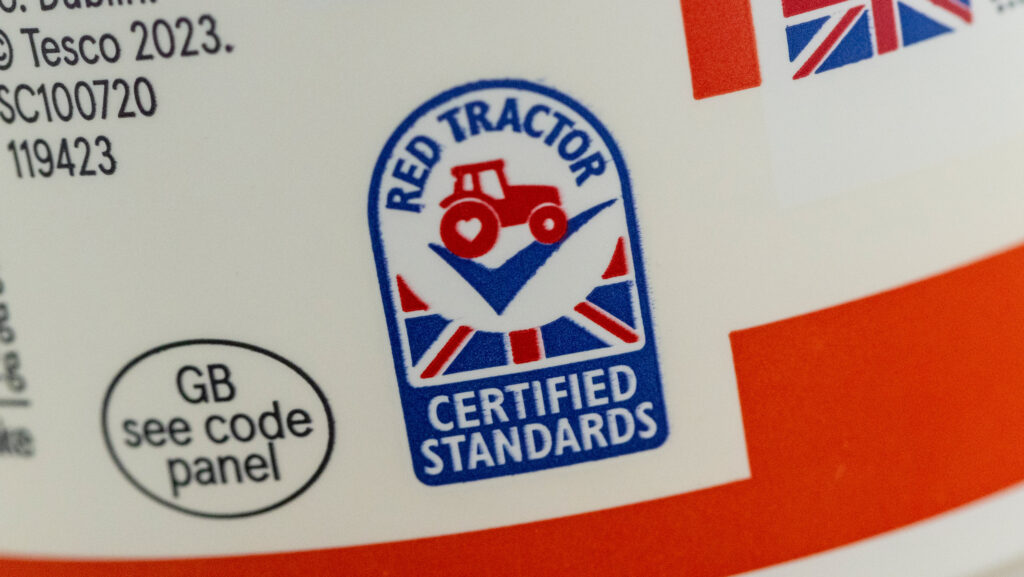
© GNP The banning of a TV advert for the Red Tractor scheme in the autumn of 2025, over claims aimed at consumers, caused quite a stir in the farming industry.
The Advertising Standards Authority (ASA) spent two years investigating a complaint from River Action, which said Red Tractor’s claim that its products were “farmed with care” was misleading, citing the number of farms operating under the scheme that had been reprimanded for pollution.
See also: Red Tractor misled public on green claims, rules ad watchdog
About the author

Martin Lines is the chief executive of the Nature Friendly Farming Network. Here he explains why labelling and claims about food standards need to stand up to the closest scrutiny.
Unsurprisingly, the ruling prompted a mix of anger and denial among parts of the sector.
However, as farmers, we should see this as an opportunity, because it is clear that a system intended to help the public make informed decisions about their food is not working.
The ASA conducted one of its longest ever investigations into Red Tractor, and its findings are difficult to dispute.
Between 2020 and 2025, Environment Agency inspections of Red Tractor-certified farms uncovered more than 4,350 breaches, meaning nearly 60% failed to meet environmental rules.
It should be clear that deflecting blame or shooting the messenger won’t work here.
We need to take the ASA’s findings seriously and address the problems, because Red Tractor is far from an isolated case.
Hold to account
All supply chains and retailers that mislead the public through their claims or advertising must be held to account.
Shoppers trying to make ethical and environmental decisions about what goes into their trolleys too often face labels that are confusing or unclear.
People are now expecting more from their food than ever before. They see the alarming headlines about the climate crisis and want reassurance that they are buying from farms doing the right thing.
It is vital they can trust certification schemes to genuinely uphold higher standards that deliver better long-term outcomes for food, nature and the climate.
That trust is undermined when the claims being made are vague or open to question, which is where Red Tractor fell foul of the ASA.
The watchdog ruled that slogans such as “farming with care” and “all our standards being met” could reasonably be understood by the public to include how farmers look after the environment and prevent pollution.
Confusion conundrum
This is not the end of the problem, either.
Even when claims aren’t found to be actually misleading, we must admit that agriculture uses a host of terms and labels that might mean something quite specific within the industry, but would not easily be understood by the average shopper.
These terms need to be defined far more clearly than they are at present.
It might be tempting for farmers to think this is not their concern, and that such matters are best left to the marketing teams of major food manufacturers and retailers.
That would be a mistake, for two key reasons.
First, at a time when farm finances are stretched, accreditation represents a significant cost for farmers. If these schemes fail to deliver what they promise, farmers have every right to question whether this is a good use of their hard-earned money.
By demanding better, we could be a powerful catalyst for positive change.
Second, farmers enjoy a high level of trust with the British public.
By and large, people accept that we know what we are talking about when it comes to food production and stewardship of the land.
To make the most of this trust, we need consistency of messaging, from farm to fork.
At present, both farmers and consumers are being short-changed.
To restore trust, labels, certifications and standards need to genuinely reflect the environmental and welfare practices they claim to represent.