

Silicon Valley cash shapes UK animal welfare agenda
 © British Egg Industry Council
 Tens of millions of pounds are flowing to UK organisations from the San Francisco-based Coefficient Giving foundation (formerly Open Philanthropy), giving them influence in Westminster and raising questions about transparency, lobbying and domestic accountability.
Coefficient Giving, created by Facebook co-founder Dustin Moskovitz and his wife Cari Tuna, has funded UK organisations including Compassion in World Farming (CIWF), the Conservative Animal Welfare Foundation (Cawf), the Humane League UK and Open Cages, as well as legal advisory groups advocating for stricter farm animal welfare laws.
See also: Pig farmers warned over surge in activist incursions
It has also pumped $17m (£12.8m) into advancing alternatives to animal products across the world.
According to The Chronicle of Philanthropy, this represents about 14% of the grants from its farm animal welfare programme.
Some of this cash has been spent fighting global campaigns to prevent “meat” and “milk” labelling being limited to animal products or urging regulators to approve sales of cultivated meat.
Coefficient Giving is not only a financial backer of UK animal welfare organisations, but also advises other high-value donors on where to direct their funds, meaning its role in shaping animal welfare policy may be broader than the publicly disclosed grant totals suggest.
About Coefficient Giving

Dustin Moskovitz © Dustin Moskovitz
- Headquarters San Francisco, US
- Founders Dustin Moskovitz (Facebook co-founder) and his wife Cari Tuna (former Wall Street Journal reporter)
- Focus Global health, criminal justice reform, AI safety and farm animal welfare
- Farm Animal Welfare programme Has committed hundreds of millions of dollars worldwide to reduce animal suffering and promote meat alternatives
Major grants:
- Compassion in World Farming £10.2m (2021-2025 – including some funding for fish welfare in 2021 and spend elsewhere in Europe)
- The Humane League/Open Wing Alliance £6.5m (2024), £6.4m (2023), £6.4m (2022)
- Advocates for Animals £925,000 (2022-2024)
- Conservative Animal Welfare Foundation £2m (2020-2026)
Leverage
Former farming ministers from both the Conservative and Labour parties have warned that this influx of foreign cash could give non-governmental organisations (NGOs) leverage that outstrips the resources of government departments and industry bodies.
While charities such as CIWF and Cawf argue that their work simply reflects public demand and UK priorities, the scale of the donations and the high-profile political patrons connected to these groups have raised eyebrows across the farming sector.
In January 2025, Coefficient Giving awarded CIWF a grant of $3.38m (£2.58m) for broiler chicken welfare, on top of multiple grants over the previous nine years.
At a parliamentary reception in November, CIWF urged ministers to include a commitment to phasing out cages in the government’s forthcoming Animal Welfare Strategy.
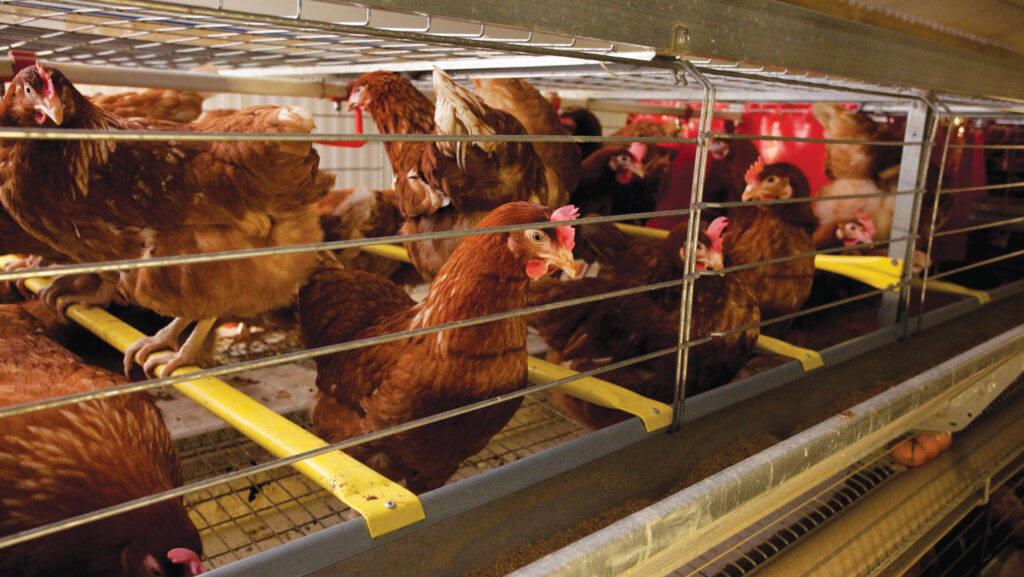
The charity says 18% of UK eggs still come from enriched cages, laid by about 7m hens, and argues that even improved systems fail to meet birds’ behavioural needs.
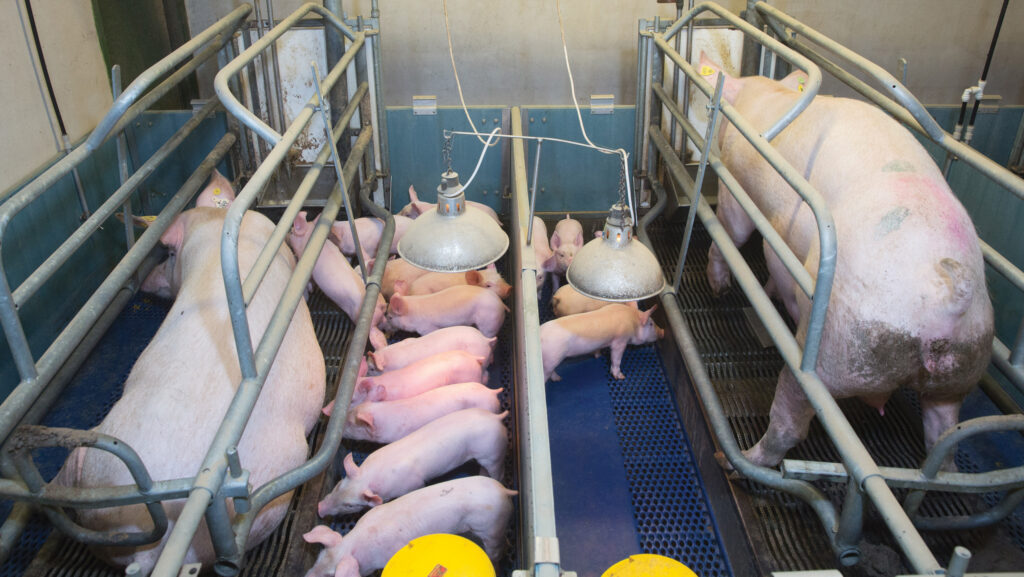
Meanwhile, Cawf – which campaigns on banning live exports and pig farrowing crates as well as mandatory method-of-production labelling – has received just over £2m from Coefficient Giving since 2020.
© Tim Scrivener
Patrons
The foundation is backed by patrons including former Conservative prime minister Boris Johnson’s wife, Carrie Johnson, and father, Stanley Johnson, and two ex-Defra secretaries, Michael Gove and Theresa Villiers.
It actively engages with parliament to influence legislation on live exports and farm animal welfare, often leveraging political connections to ensure its voice is heard.
Coefficient Giving’s support for the Humane League’s work across the world has been even more generous. In October 2024, the group received $8.4m (£6.4m) for “general support”, following identical grants in 2023 and 2022.
Much of this money funds the Open Wing Alliance, a network of groups in 67 countries working to secure global cage-free pledges.
Other UK-connected grants include $550,000 (£418,000) in December 2024 to the law firm Advocates for Animals to provide legal support to farm animal welfare campaigners.
Coefficient Giving’s 2025 annual review directly credits UK groups it funds – including CIWF, the Humane League and Open Cages – with securing reforms covering “around a third of the chickens raised for meat in the UK”, or about 350m birds annually.
However, some of this funding is indirect, distributed via umbrella coalitions or international partners, making it difficult to trace how much is reaching UK-registered entities.
According to an analysis by a major international agri-business of grants made between 2016 and May 2025, and seen by Farmers Weekly, more than $467m (£356m) has been distributed globally by Coefficient Giving.
Grants have gone to more than 170 organisations, with the top 10 receiving for more than half of all spending.
Poultry-focused campaigns dominate, receiving about 40% of funding, and nearly half of all grants support global initiatives.
Europe is the second-largest regional focus, with the majority of funding not allocated to any particular geographic region.
Level playing field
Chris Platt, co-founder of Cawf, did not respond directly to questions about how the organisation manages overseas influence on its policy or whether greater transparency rules should apply to organisations in the space.
He said: “Animal welfare doesn’t stop at borders, and neither does compassion. Whether support comes from inside or outside the UK, what matters is that it helps ensure animals here are treated well and that lower-welfare imports don’t undermine the higher standards British farmers are proud of.”
Indirect funding
Open Cages chief executive Connor Jackson confirmed his group benefits from philanthropic funding, but rejected the claim that foreign support is what gives NGOs their influence.
He said Open Cages did not receive funding directly, but through its membership of Anima International, and its current support amounted to £126,000 a year.
“Any support we receive goes toward work already shown to be effective, such as engaging companies on the Better Chicken Commitment and raising awareness of the welfare problems associated with fast-growing broilers.”
Mr Jackson also disputed the idea that foreign backing drove NGO influence.
“Brits care deeply about animal welfare,” he said. “Public sentiment is what gives NGOs a strong voice, not overseas funding. UK welfare charities already receive significant backing from British supporters.”
He added that Open Cages’ focus was on reducing suffering, not opposing livestock farming.
Independent campaigns
Anthony Field, head of Compassion in World Farming UK, said it was incorrect to suggest its campaign opposing cages was propelled by external influence, noting the End the Cage Age campaign started in the 1970s.
He added that funding streams did not dictate CIWF’s strategy: “Most [Coefficient Giving] funding for End the Cage Age was spent outside the UK and forms only part of our international work. The majority of our UK income comes from individual supporters.
“None of our funders have any input into our priorities or political engagement.”
Mr Field said the UK public, not foreign donors, was driving demand for change.
Transparency is more important than ever
As the government finalises its new animal welfare strategy, due for publication before Christmas, questions about transparency, foreign influence and accountability are mounting.
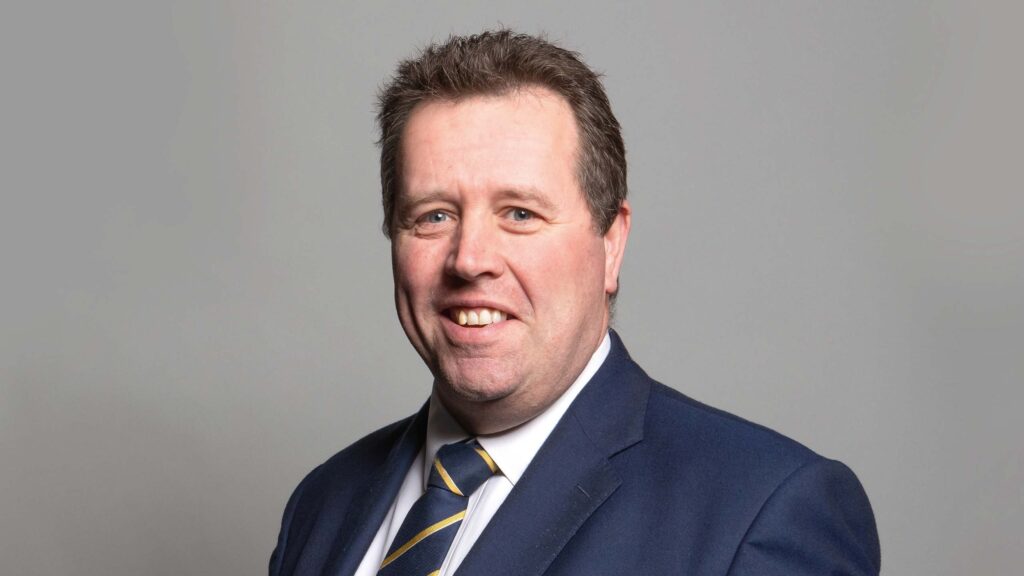
Former Defra farming minister Mark Spencer has led calls for more transparency on the funding of NGOs, saying he was unaware of the international cash behind campaigns that regularly engaged with Defra when he was in post.
Mark Spencer © UK Parliament
“I did not know that was foreign money or where it was coming from,” he said.
“I just presumed it was UK cash. People need to know who’s pulling the strings. It’s not a level playing field.”
He added that some campaigns appeared to be driven by a desire to reduce meat production altogether. “It felt to me like a vegan war,” he said.
Mr Spencer also warned that poorly designed reforms could shrink UK livestock production and lower overall global welfare by shifting production overseas.
Former Labour Defra minister Daniel Zeichner said he understood why farmers might feel their representatives were poorly resourced in comparison with other organisations with global support, and expressed concern about the wider imbalance of resources in the policy space.
“Sometimes it felt as if NGOs had more people working on a policy area than I did as a minister,” he added.
“If political parties can’t take foreign donations, it’s fair to ask whether organisations in the same space should face similar transparency rules.”