

US seeks food standards change as price for £31bn tech deal
 © Adobe Stock
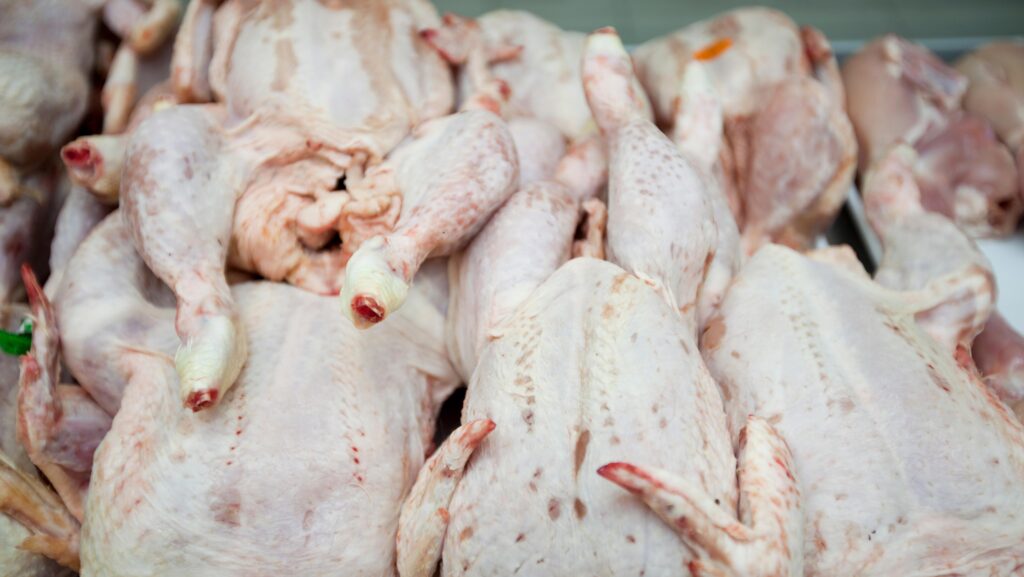
 US trade negotiators have stepped up efforts to secure access to the UK market for chlorinated chicken and hormone-treated beef to revive a £31bn technology partnership between the two countries.
Jamieson Greer, the US trade envoy, is using the deal to press for concessions not won in the broader UK-US trade talks last summer, according to The Telegraph, after the sacking of ambassador Lord Mandelson left the UK without a lead negotiator in Washington.
See also: Good for beef, less so for arable – UK-US trade deal verdict
In principle, accepting these demands would make it significantly more difficult for the UK to agree a sanitary and phytosanitary (SPS) deal with the EU, which the prime minister wants to get over the line as quickly as possible.
But trade expert Allie Rension, who previously advised the UK government, told Farmers Weekly the Trump administration in the US has had poultry access in their sights for some time.
“Chlorine rinsing has been on the decline in the US, meaning greater UK market access could in theory be agreed without having to move too much on food standard regulations,” she said.
Another trade specialist from think tank the European Centre for International Political Economy, David Henig, said he did not believe UK politicians are “particularly attached” to any food and drink regulations.
But they will likely resist US demands because they are politically toxic and could interfere with trade with the EU.
“That said, if the UK government was serious about animal welfare, they would look to incorporate it in trade agreements,” he added.
Technology deal
US technology companies including Microsoft and Google had pledged to spend billions in the UK as part of the technology deal.
But this collapsed in December over concerns about the UK’s new online safety rules, as well as its refusal to lower trade barriers in other areas.
The renewed push comes six months after a controversial bioethanol agreement between the UK and the US came into force, removing a 19% tariff on US imports.
The deal led to the closure of the Vivergo plant and raised concerns about the future of Ensus, the UK’s remaining producer – both of which provided a market for domestic cereal supplies.
The Department for Business and Trade declined to comment on ongoing trade negotiations.