Overcoming issues of TB control
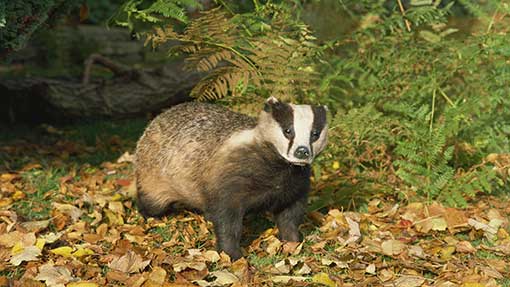
Future TB policy must reduce further breakdowns rather than react to each disease breakdown, according to Graham Smith of the Central Science Lab.
Speaking at last weekend’s British Vet Association Congress, Belfast, Dr Smith said it was essential this approach was taken.
“And there can be no doubt badgers are responsible for some disease spread. There is circumstantial evidence from Thornbury and direct evidence from the randomised badger culling trial and Irish trials of badger involvement in TB spread.”
The RBCT proactive trial concluded that badgers were responsible for 26% of TB infections, while DEFRA figures suggest cattle movements could be responsible for between 26 and 85% of infections.
And while this differs from the experience in Ireland, similar results shouldn’t be expected in Great Britain due to a combination of cattle movement, testing, badger density and disease prevalence. “GB has a much larger badger density and badgers occur in larger goups than in Ireland. Farm and cattle density also differ between the two countries.
“On top of this, GB culling areas were chosen at random, while Ireland’s were selected to reduce badger immigration,” explained Dr Smith.
So badger culling can help control TB in cattle, but there are issues to be overcome, he warned. “Immigration of badgers from the edge of culled areas can cause problems with ingres of more diseased badgers from the edge of culled areas.
“Additionally, culling can result in increased ranging of badgers and more contact between badger groups and badgers and cattle. This results in increased disease prevalence, causing increased disease transmission to cattle and possibly result in more infected badgers.”
The RBCT was just ineffective, he added. “Culling efficacy needs improving, but more extreme culling will not remove badger disturbance and it is not clear whether it will increase it or decrease it. The best estimates of RBCT effectiveness indicate a 70% reduction of infection rate.”
Overall, badger culling may work, but it must take account of badger ecology, including badger immigration into culled areas and it must be economical. “The economics show a small chance of a benefit and an economic break-even point could be reached 11-14 weeks into a culling period.”