Drought declared for South East
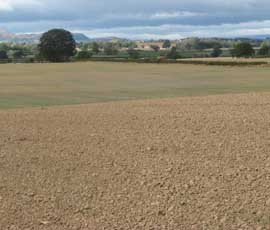
South-east England is now officially in drought, DEFRA has confirmed.
The state of drought was declared in the region on Monday (20 February) after DEFRA held an emergency summit to discuss potential water shortages in England.
Some rivers and groundwater levels are lower than during the drought of 1976.
In the South East, Ardingly reservoir in West Sussex and Bewl in Kent are around two-fifths of their normal levels, according to the Environment Agency.
Southern Water has applied for a drought permit to help refill Bewl, while late last year South East Water was granted a drought order to help refill Ardingly.
Anglian Water has also been issued with two drought permits to refill two of its reservoirs.
The drought summit brought water industry leaders together, including representatives from agriculture, to look at measures already being taken to tackle drought and decide future actions to mitigate against its impact.
Speaking after the meeting, DEFRA secretary Caroline Spelman, said: “Ensuring we have enough water this summer is vitally important and that is why I called the summit today.
“Drought is already an issue this year with the South-East, Anglia and other parts of the UK now officially in drought, and more areas are likely to be affected as we continue to experience a prolonged period of very low rainfall.
“It is not just the responsibility of government, water companies and businesses to act against drought. We are asking for the help of everyone by urging them to use less water and to start now.”
After the summit, Thames Water warned there was a high chance of water restrictions, such as hosepipe bans this summer, unless there was significant rainfall.
Thames Water’s sustainability director, Richard Aylard, said: “Things are going to get worse unless we have significant rainfall over the next couple of months.”
The Country and Land Association (CLA) called on the government to ensure agriculture was given priority for scarce water resources to prevent food shortage.
The association demanded a fairer allocation of water for farmers across all drought-affected areas in England.
CLA President Harry Cotterell said: “Agriculture is under incredible pressure as a result of the lack of rain through the winter. Other sectors have statutory powers and priority over agriculture, but to ensure food and environmental security it is vital we are given our fair share of water.
“The government needs to think about extending permitted development rights to build on-farm reservoirs. This could make a real difference during any drought, particularly using flexible abstraction licenses to allow efficient recharge of reservoirs.
“Our members in the Eastern region are seriously concerned about the potential for drought this summer. We are pleased the Secretary of State is trying to address the issue at this early stage but it is absolutely essential that farmers get a fairer allocation of water now.”
DEFRA said Lincolnshire, Cambridgeshire, parts of Bedfordshire and Northamptonshire, and west Norfolk are still in drought.
And Shropshire, Nottinghamshire, Oxfordshire, Buckinghamshire, Berkshire, East Sussex and Kent are still affected by dry weather.
In the Anglian region, groundwater levels remain exceptionally low. Soils in these areas are still not wet enough for widespread recharge to take place.
Meanwhile, DEFRA said the last 12 months has been the eight driest on record, with average rainfall figures of 774mm across the country.
• See our average rainfall maps