

Fractures in birds too high, says FWAC
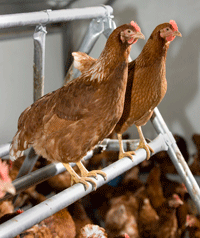
A mixed bag of measures is needed to reduce the amount of bone breakages in chickens, the Farm Animal Welfare Council (FAWC) has laid out in its latest report.
The Opinion on Osteoporosis and Bone Fractures in Laying Hens, released on 14 December, outlines the concerns the FAWC has towards the number of bone breakages in chickens, saying there is a possibility they are increasing.
“There is good evidence that the prevalence of bone fractures in laying hens is not declining and may actually be rising,” the report says.
“Bone fractures come about by a combination of underlying and immediate causes, including osteoporosis in the hen, injuries occurring as a result of poor design and management of housing systems and poor handling during depopulation,” said Professor Christopher Wathes, FWAC chairman.
Studies cited by the FWAC say anywhere from 45% to 95% of birds have suffered old breaks during the laying period, or new breaks occurring during catching or slaughter. In cage-based systems up to 30% of mortality was due to bone breakages.
“The council would ideally like to see bone damage in live birds eliminated entirely and to that end the egg industry and the government should be working towards a strategy of time-related reduction in bone fractures, both during lay and at depopulation,” said Professor Wathes.
The report makes a number of suggestions to reduce breakages, such as poultry sheds with less equipment for birds to collide with, time-targeted amounts of calcium in feed and government assistance in lobbying breeders to genetically select for bone quality.
Also in its findings the FAWC encourages England and Wales to come into line with Scotland and Northern Ireland and introduce aerial perches to help birds exercise and improve bone strength.
Meat from end-of-lay birds should also be labelled differently, says the FAWC, to add value to them in the mind of consumers and thereby encourage catchers and farmers “to promote better care” of birds once they have finished laying eggs.
* Got a view on perches? FAWC wants more, but Bristol University research casts doubt. Have your say on whether they are a force for good or evil on our Poultry Platform debate