Cereals to showcase agronomy on Cotswold brash soils
 © MAG/Philip Case
 The Cereals event will make history this summer when it heads west for the first time in almost 50 years.
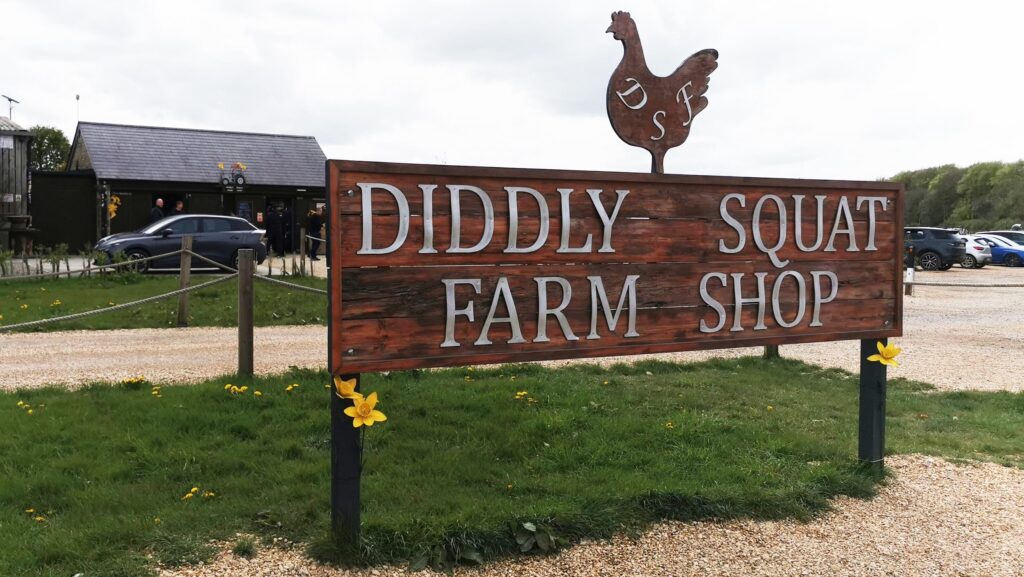
Diddly Squat Farm in Oxfordshire is to host the UK’s flagship technical arable show on 10-11 June.
Set on classic Cotswold brash soils, the move shifts the event away from its traditional eastern and central arable heartlands, placing crop performance under a very different set of agronomic pressures.
Host farmer and TV personality Jeremy Clarkson invited members of the press, including Farmers Weekly, to the 400ha site near Chadlington on Thursday (16 April) to see how the crop plots are taking shape.
See also: Cereals 2026 event to feature new Livestock Zone
Cereals 2026 – at a glance
- Dates 10-11 June 2026
- Location Diddly Squat Farm, Chadlington, Oxfordshire
- Soil type Cotswold brash
- Visitors Around 25,000 expected
- Exhibitors About 700
- Focus Crop trials, agronomy, machinery, soils, inputs and technology
- New for 2026 Livestock integration and university plots
- Access Trade only with access limited to farmers and the agricultural industry
- Tickets To register, visit the Cereals event website
Organisers say the site reflects the realities faced by many growers farming lighter, very stony land, where establishment, nutrient efficiency and resilience to drought are critical.
Demonstration plots and variety strips will allow visitors to assess how crops perform under restricted soil depth, while root pits will expose differences in rooting architecture and soil interaction.
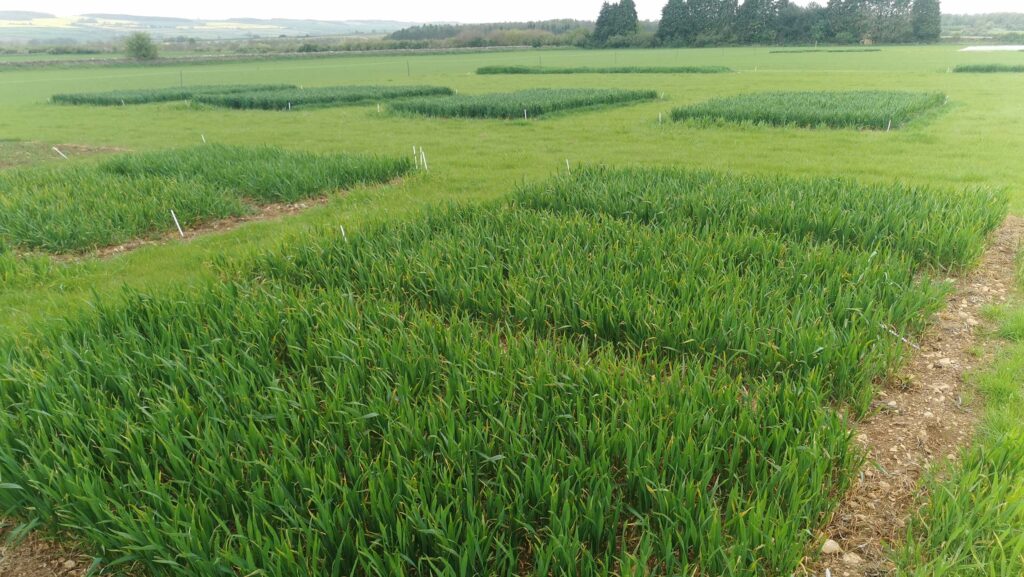
Wheat crop plots at the 2026 Cereals event site at Diddly Squat Farm © MAG/Philip Case
Westward move
Land agent and farm adviser “cheerful” Charlie Ireland said hosting Cereals on a working Cotswolds farm would open up the event, which first started in 1979, to a different audience.
“It’s a real working farm and to see it in the Cotswolds is great.
“To look at some new varieties coming through. There’s always lots to learn,” he said.
“We’ve got more livestock here this year, which, I think as we move back full circle to a mixed farming business in many cases.
“Sort of reintegrating that element into farming is also important.”
As many as 700 exhibitors are expected, showcasing crop genetics, plant breeding, crop protection, nutrition strategies, machinery and decision-support tools.
Trials will also explore reduced tillage, cover cropping and soil health approaches aimed at improving performance on brash soils.
A major focus will be reducing reliance on inputs, particularly nitrogen, as costs remain elevated amid Middle East tensions and ongoing supply uncertainty.
“This conflict has the potential to stop supply of gas, which will really have dire consequences,” Mr Ireland said.
“But there’s always opportunity. Look at what new techniques are out there and how you mitigate the need for as much fertiliser.”
© MAG/Philip Case
Precision farming will feature heavily, including soil mapping, variable-rate application and digital tools designed to improve input efficiency across variable ground.
Mr Clarkson admitted he initially underestimated the event’s technical appeal.
“I couldn’t see why it was prestigious,” he said. “I was thinking, so who’s going to come all the way here to look at root structure?”
That view, he said, has since shifted.
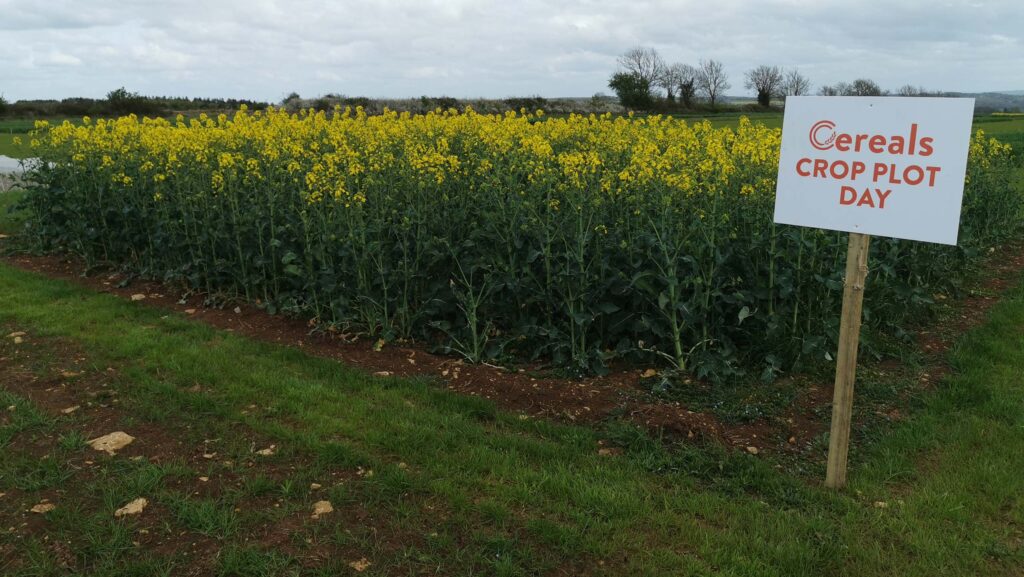
“Now today, it’s the first time I’ve been out and thought, actually, I find myself going, Ooh, look at that oilseed rape and look at that. And I’m starting to understand it,” said Mr Clarkson.
“I am genuinely and properly looking forward to it now.
“I’ve gotta be honest. I’d never heard of it. I thought, could we have the boat show? That would be quite something. Or the motor show. Yeah, I’d like that.”
Livestock focus
Livestock will also feature this year with the introduction of a new Livestock Zone, reflecting renewed interest in mixed and regenerative systems to spread risk and strengthen rotations.
Farming contractor and Clarkson’s Farm star Kaleb Cooper said volatility in commodity markets was driving that shift.
“If your wheat price is down, unfortunately you’re going to make a loss that year,” he said.
“But if you have beef added to your farm – and the beef price is really good at the moment, as we all know – all of a sudden, your books then get balanced.
“And I’ve always said this, you can’t farm without an a***hole.”
Asked what he was most looking forward to about the event, Mr Clarkson said: “Learning stuff. Honestly. Every day’s a learning day for me.
“Every day I learn something new from these guys, or reading books.
“You come here and there’s going to be 25,000 farmers.
“I’m going to learn a lot and I suppose that’s useful.”