

Advice on fungicide choice to slow wheat disease resistance
 © Tim Scrivener
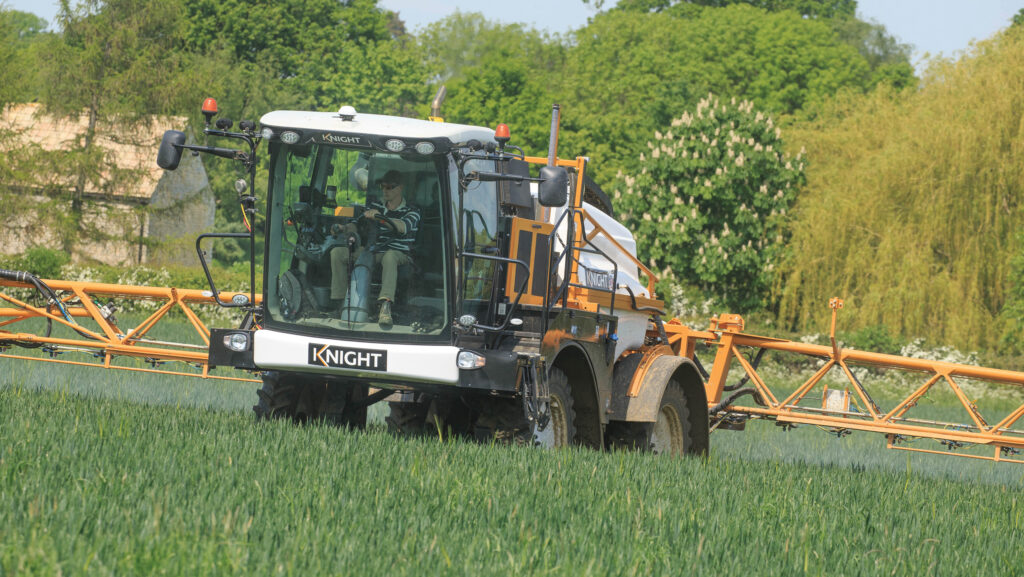
 Winter wheat growers are advised to utilise all four main groups of systemic fungicides and adjust doses to help fight any build-up of disease resistance.
In addition, they are urged to be careful selecting combinations within two of these groups – namely azoles and the two newest SDHIs on the market – to maintain good septoria disease control this season.
Aoife O’Driscoll, senior specialist in crop protection at consultant Niab, advises growers to reduce their reliance on any one active while alternating between the four main groups to counter resistance issues, especially regarding septoria.
See also: Two new generation SDHI fungicides at risk of cross-resistance
“Mixing at the spray timing and also across the programme will help slow down resistance problems,” she says.
Four groups
These four systemic groups include strobilurins and picolinamides, such as Inatreq, as well as azoles and SDHIs, and all these can be used with the protectant multisite fungicide folpet.
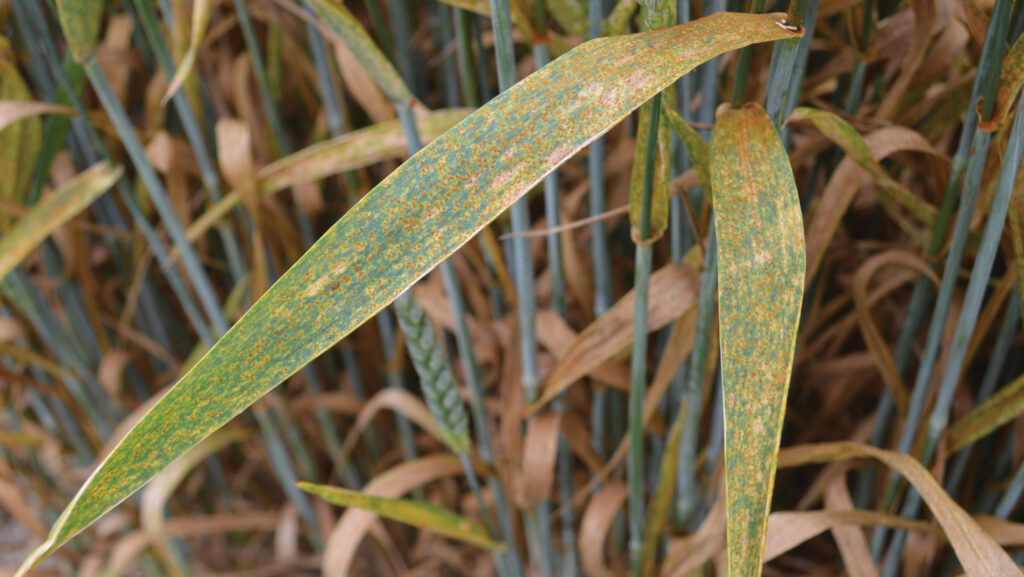
Brown rust in winter wheat © David Jones
A salutary warning over resistance came after the launch of strobilurin fungicides in the late 1990s, which were overused and so by the early 2000s were largely ineffective in controlling septoria, although they are useful for the control of yellow and brown rust.
Azole fungicides have been used since the 1970s, and after some early declines in sensitivity to diseases, this has slowed to a gradual decline and they still show generally good stability as effective fungicides.
Fungicide groups by modes of action
- Azoles (also known as demethylation inhibitors/DMIs) Such as prothioconazole (Proline) and mefentrifluconazole (Revysol), tebuconazole (Folicur, Toledo and others).
- SDHI (succinate dehydrogenase inhibitors) There were two new entries for 2025. First, Adepidyn (pydiflumetofen) known as Miravis Plus, and in combination with prothioconazole as Miravis Plus + Era. Second, Iblon (isoflucypram) included in a number of products such as Ipresso when mixed with prothioconazole, Plaxium in a three-way mix adding in an extra SDHI fluopyram and also prothioconazole, and Jessico Fusion when mixed with Inatreq (fenpicoxamid). Other older SDHIs include fluxapyroxad (known as Revystar when mixed with mefentrifluconazole), benzovindiflupyr and bixafen.
- Strobilurins (quinone outside inhibitors/QoIs) Such as pyraclostrobin (Comet) and azoxystrobin (Amistar).
- Picolinamides (quinone inside inhibitors/QiIs) Such as fenpicoxamid (Inatreq) and together with prothioconazole known as Univoq.
However, there are different disease mutation effects between azoles that has prompted advice about which azoles to mix together.
The most widely used azole historically, prothioconazole is often combined with tebuconazole or mefentrifluconazole, but combining tebuconazole with mefentrifluconazole is not recommended.
In summary, there is incomplete cross-resistance between prothioconazole and mefentrifluconazole, so these can be used together.
SDHI advice
Regarding SHDIs, further declines in sensitivity to septoria are being detected.
For the two newest SDHIs – Adepidyn and Iblon – Aoife advises to try to avoid using them in the same season’s fungicide programme, as the two SDHIs selected similarly for septoria isolates.
“Both are highly potent against septoria, and so the likelihood of cross-resistance occurring is higher than with azoles,” she says.
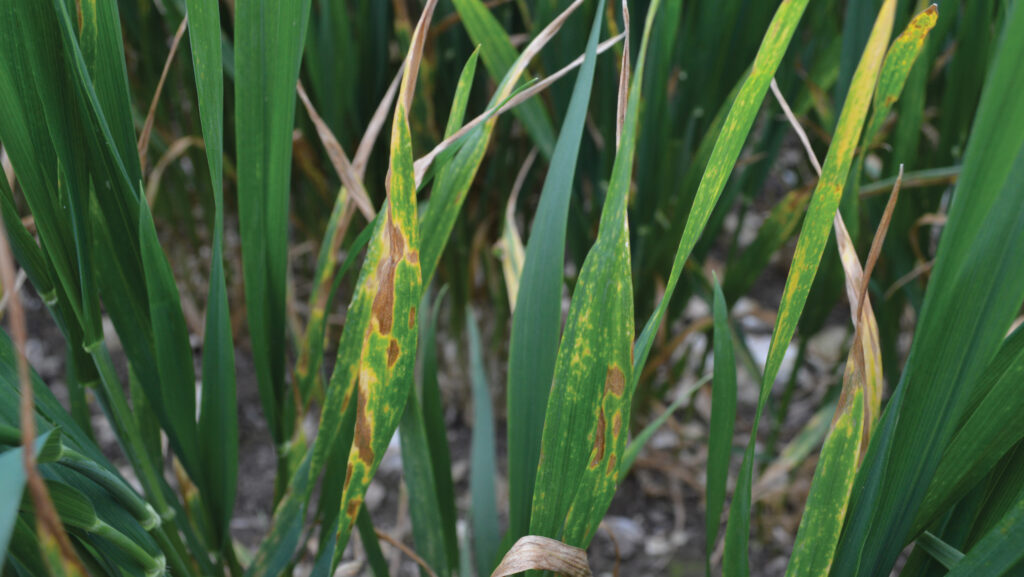
Septoria in winter wheat © David Jones
Adepidyn is highly effective against septoria, while Iblon is effective against a wide range of diseases such as septoria, yellow and brown rust.
“There are lots of different modes of action, so growers should aim not to completely rely on these two SDHIs for septoria control,” she says.
These two are seen as third-generation SDHIs that were both introduced in the 2025 growing season.
They follow first-generation SDHIs like boscalid and then second-generation ones such as bixafen, fluxapyroxad and benzovindiflupyr.
Aoife points out that in the laboratory, Adepidyn and Iblon when used as straights have shown some signs of cross-resistance, but not in the field.
In practice, these two new SDHIs, like other SDHIs, are not used as straights but in combination with other groups, often azoles.
The aim should be to try to avoid using both in the same programme.
But if the agrochemicals have already been bought then growers should reduce rates, while using partners fungicides such as azoles, she suggests.
Protectant approach
Aoife emphasises that a protectant approach is needed to anticipate disease risk using factors such as variety, drilling date and weather, as curative action can often be too late with fast-spreading cases of septoria and rusts.
“A protectant approach is always better than a curative one, especially so with the rusts which can cycle very quickly,” she says.
An issue with yellow rust emerged in 2025 after a new race of the disease overcame a key Yr15 resistance gene.
It sent the yellow rust resistance ratings of many leading winter wheat varieties such as Dawsum, Champion and Beowulf tumbling.
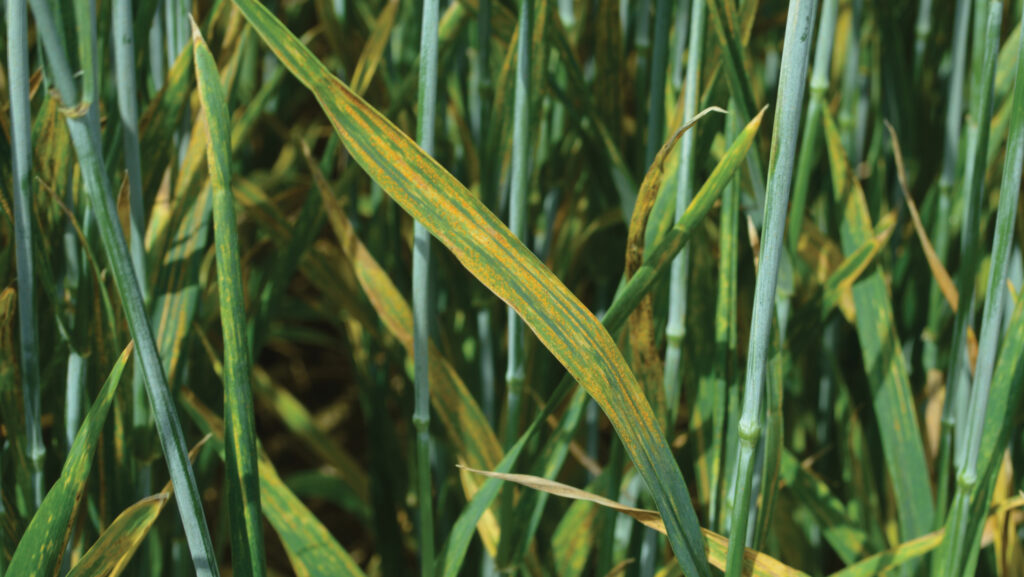
Yellow rust in winter wheat © David Jones
Cool, damp weather in the spring, with overnight dew or rain, can provide ideal conditions for yellow rust development.
The complete cycle from infection to the production of new spores can take as little as 10 days, compared to 14-28 days with septoria.
Resistance management
Many fungicides act on single sites within specific biochemical pathways of fungal pathogens.
They are often highly effective, but also vulnerable to resistance building up against them by the pathogen.
Repeated use of fungicides with the same mode of action selects for fungal isolates with reduced sensitivity, leading to a gradual or sometimes sudden loss of efficacy.
These single-site fungicides are prone to resistance issues, especially when compared to fungicides with a multisite mode of action, which affect many pathways.
However, multisites are only protectant in action rather than curative.
Therefore, many fungicides with specific modes of action have restrictions to the number of applications that can be made to a crop in a season.
For example, two applications each of strobilurins and SDHIs can be made to a cereal crop in a season, while only a single application of a quinone inside inhibitor (QiI) can be applied, such as Inatreq.
The use of multisite protectant fungicides can be used as a cost-effective mix partner to protect against high-risk single-site acting fungicides, such as azoles and SDHIs at each application timing.
However, multisites are associated with older classes of chemistry, with authorisations gradually being struck off over the years.
The multisite chlorothalonil was banned in May 2020 and mancozeb was also withdrawn from use in November 2025, leaving folpet as the main alternative.
But as folpet has a lower efficacy than chlorothalonil, higher doses are required.
Aoife O’Driscoll was speaking at an ADHB-organised Resistance Workshop event held in Sudbury, Suffolk, in December 2025.